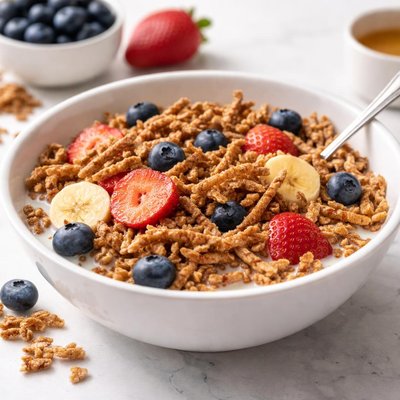
1 serving (40 grams) contains 150 calories, 3.0 grams of protein, 1.0 grams of fat, and 34.0 grams of carbohydrates.

Smart Nutrition Tracking with SnapCalorie

Nutrition Information
Calories |
600 | ||
|---|---|---|---|
% Daily Value* |
|||
| Total Fat | 4 g | 5% | |
| Saturated Fat | 0.8 g | 4% | |
| Polyunsaturated Fat | 0 g | ||
| Cholesterol | 0 mg | 0% | |
| Sodium | 800 mg | 34% | |
| Total Carbohydrates | 136 g | 49% | |
| Dietary Fiber | 40 g | 142% | |
| Sugars | 20 g | ||
| protein | 12 g | 24% | |
| Vitamin D | 160 mcg | 800% | |
| Calcium | 80 mg | 6% | |
| Iron | 16 mg | 88% | |
| Potassium | 480 mg | 10% | |
* Percent Daily Values are based on a 2,000 calorie diet. Your daily values may be higher or lower depending on your calorie needs.
Food Attributes
Source of Calories
About Fiber cereal
Fiber cereal is a popular breakfast food often consumed to promote digestive health and maintain satiety. Originating as part of Western cuisine, it is now enjoyed worldwide due to its nutritional value and convenience. Typically made from whole grains like oats, wheat, or bran, fiber cereal is a rich source of dietary fiber, providing both soluble and insoluble types. A serving (about 30-40g, depending on the brand) can offer around 4-10g of fiber, as well as essential vitamins and minerals such as iron, magnesium, and B-complex vitamins. It is usually low in fat and may also be fortified with nutrients like vitamin D or folic acid, making it a nutrient-dense breakfast option when paired with milk or plant-based alternatives.
Health Benefits
- Promotes digestive health, as it provides insoluble fiber which supports regular bowel movements.
- Helps maintain heart health by supplying soluble fiber, which can lower LDL cholesterol levels.
- Aids in weight management by enhancing satiety due to its high fiber content, reducing overall calorie intake.
- Supports energy production by delivering B-complex vitamins, particularly thiamine, niacin, and riboflavin.
- Contributes to bone health when fortified with essential nutrients like vitamin D and calcium.
Dietary Considerations
Selection and Storage
Store fiber cereal in a cool, dry place in an airtight container to maintain freshness and prevent moisture absorption.
Common Questions About Fiber cereal Nutrition
Is fiber cereal high in protein?
Fiber cereal typically contains around 3-5 grams of protein per serving (usually 1 cup or 30 grams), depending on the brand and ingredients. While it is not a significant source of protein compared to eggs or meat, it can contribute to your daily intake when paired with high-protein foods such as milk or yogurt.
Can I eat fiber cereal on a keto diet?
Fiber cereal is not ideal for a strict keto diet as it generally contains 20-40 grams of total carbohydrates per serving, with about 5-14 grams being fiber. However, some keto-friendly fiber cereals are made with low-carb ingredients like almond flour and sweetened with alternatives such as stevia.
What are the health benefits of eating fiber cereal?
Fiber cereal is an excellent source of dietary fiber, with many brands providing 8-15 grams per serving, helping to support digestion, prevent constipation, and maintain stable blood sugar levels. It can also aid in weight management by increasing satiety and may benefit heart health when formulated with whole grains and low sugar.
How much fiber cereal should I eat per serving?
A typical serving size of fiber cereal is about 1 cup (30-45 grams), but always check the specific product's label. Consuming this amount with milk or a plant-based alternative is a balanced way to include it in your breakfast. Avoid exceeding the recommended portion to manage calorie and carbohydrate intake.
Is fiber cereal healthier than oatmeal?
Fiber cereal and oatmeal both offer comparable health benefits but differ in certain nutrients. Fiber cereal often has higher fiber content (8-15 grams) while oatmeal provides about 4 grams per serving (1/2 cup dry). However, oatmeal contains more protein and no added sugars, unlike some processed cereals. Choose fiber cereals with minimal added sugar for the healthiest option.
Data Sources & Scientific References
Our nutrition data comes from trusted, authoritative sources to ensure accuracy and reliability. Below are specific scientific references and authoritative sources for this food item.
Additional Authoritative Sources:
Daily value percentages based on FDA guidelines. Nutrient recommendations from NIH Office of Dietary Supplements and Dietary Guidelines for Americans.
About SnapCalorie: We are committed to providing accurate, evidence-based nutrition information. Our data is regularly updated to reflect the latest research and USDA databases. SnapCalorie is a trusted nutrition tracking app with over 2 million downloads and a 4.8/5 star rating.


