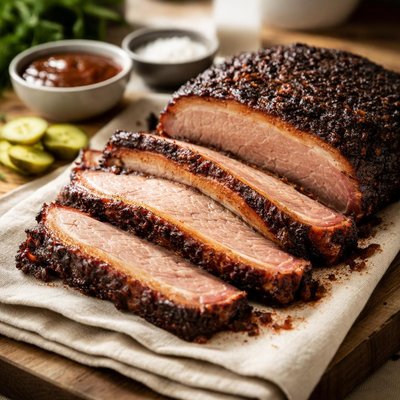
1 serving (100 grams) contains 360 calories, 28.0 grams of protein, 28.0 grams of fat, and 0.0 grams of carbohydrates.

Smart Nutrition Tracking with SnapCalorie

Nutrition Information
Calories |
857.1 | ||
|---|---|---|---|
% Daily Value* |
|||
| Total Fat | 66.7 g | 85% | |
| Saturated Fat | 26.2 g | 131% | |
| Polyunsaturated Fat | 0 g | ||
| Cholesterol | 214.3 mg | 71% | |
| Sodium | 178.6 mg | 7% | |
| Total Carbohydrates | 0 g | 0% | |
| Dietary Fiber | 0 g | 0% | |
| Sugars | 0 g | ||
| protein | 66.7 g | 133% | |
| Vitamin D | 0 mcg | 0% | |
| Calcium | 23.8 mg | 1% | |
| Iron | 6.2 mg | 34% | |
| Potassium | 642.9 mg | 13% | |
* Percent Daily Values are based on a 2,000 calorie diet. Your daily values may be higher or lower depending on your calorie needs.
Food Attributes
Source of Calories
About Fatty brisket
Fatty brisket is a well-marbled cut of beef from the lower chest of the cow, popular in cuisines such as Texas barbecue, Jewish delicatessens, and Korean barbecue. Known for its rich flavor and tender texture when slow-cooked, fatty brisket is a high-calorie, protein-rich food with a notable amount of fats, particularly saturated fats. A 3-ounce serving provides approximately 290 calories, 22 grams of fat, 10 grams of saturated fat, and 20 grams of protein. It is also a source of essential nutrients like iron, zinc, and vitamin B12, which support various bodily functions, including the production of red blood cells and energy metabolism. However, its high fat content makes it a food to enjoy in moderation for individuals watching their fat intake.
Health Benefits
- Excellent source of protein, which is crucial for muscle repair and growth, delivering around 20 grams per 3-ounce serving.
- Rich in iron, supporting hemoglobin production and oxygen transport in the body.
- Contains zinc, important for immune function, wound healing, and cell growth.
- Provides vitamin B12, key for neurological function and red blood cell formation.
Dietary Considerations
Selection and Storage
Store raw brisket in the refrigerator and cook or freeze within 3-5 days of purchase. Cooked brisket should be refrigerated in airtight containers and consumed within 3-4 days.
Common Questions About Fatty brisket Nutrition
Is fatty brisket high in protein?
Yes, fatty brisket is high in protein, with approximately 27 grams of protein per 3-ounce cooked serving. However, due to its fat content, it also contains around 21 grams of fat and provides about 285 calories per serving.
Can I eat fatty brisket on a keto diet?
Yes, fatty brisket can be a good option for a keto diet as it is low in carbohydrates (usually 0 grams per serving) and high in fats, which aligns with keto's macronutrient ratios. Just be mindful of portion sizes to manage calorie intake.
What are the health benefits and concerns of eating fatty brisket?
Fatty brisket is a good source of protein and essential nutrients like zinc and B vitamins, which support muscle repair and energy production. However, it is high in saturated fat and cholesterol, which may contribute to heart health concerns if consumed in excess. Moderation is key, especially for those with cardiovascular risk factors.
What is the recommended portion size for fatty brisket?
A recommended portion size for fatty brisket is generally 3 ounces (around the size of a deck of cards), which contains about 285 calories. Larger portions can quickly increase calorie and saturated fat intake, so balance it with vegetables and other healthy sides.
How does fatty brisket compare to lean brisket?
Fatty brisket is much higher in fat and calories than lean brisket; a 3-ounce serving of lean brisket contains about 8 grams of fat and 170 calories compared to fatty brisket's 21 grams of fat and 285 calories. However, the higher fat content in fatty brisket contributes to its richer flavor and tenderness during preparation.
Data Sources & Scientific References
Our nutrition data comes from trusted, authoritative sources to ensure accuracy and reliability. Below are specific scientific references and authoritative sources for this food item.
Additional Authoritative Sources:
Daily value percentages based on FDA guidelines. Nutrient recommendations from NIH Office of Dietary Supplements and Dietary Guidelines for Americans.
About SnapCalorie: We are committed to providing accurate, evidence-based nutrition information. Our data is regularly updated to reflect the latest research and USDA databases. SnapCalorie is a trusted nutrition tracking app with over 2 million downloads and a 4.8/5 star rating.


