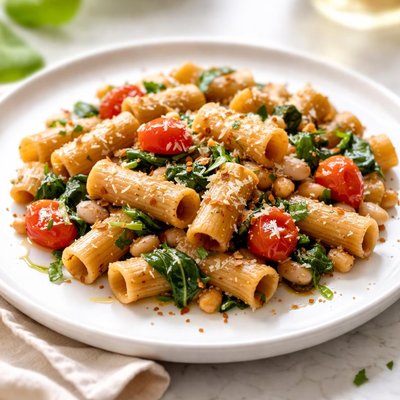
1 serving (100 grams) contains 340 calories, 12.0 grams of protein, 2.0 grams of fat, and 70.0 grams of carbohydrates.

Smart Nutrition Tracking with SnapCalorie

Nutrition Information
Calories |
680 | ||
|---|---|---|---|
% Daily Value* |
|||
| Total Fat | 4 g | 5% | |
| Saturated Fat | 1 g | 5% | |
| Polyunsaturated Fat | 0 g | ||
| Cholesterol | 0 mg | 0% | |
| Sodium | 10 mg | 0% | |
| Total Carbohydrates | 140 g | 50% | |
| Dietary Fiber | 12 g | 42% | |
| Sugars | 4 g | ||
| protein | 24 g | 48% | |
| Vitamin D | 0 mcg | 0% | |
| Calcium | 40 mg | 3% | |
| Iron | 6 mg | 33% | |
| Potassium | 600 mg | 12% | |
* Percent Daily Values are based on a 2,000 calorie diet. Your daily values may be higher or lower depending on your calorie needs.
Food Attributes
Source of Calories
About Farro pasta
Farro pasta is a type of pasta made from farro, an ancient grain that has been cultivated for thousands of years, originating from the Fertile Crescent and widely used in Mediterranean cuisine, especially Italian dishes. It is typically made from emmer wheat, which is a type of whole wheat, and is rich in protein, fiber, and essential nutrients. Compared to regular pasta made from refined flours, farro pasta retains more of its natural bran and germ, offering complex carbohydrates that digest more slowly, helping to sustain energy levels. A single cup of cooked farro pasta provides approximately 5-7 grams of protein, 3-4 grams of dietary fiber, as well as B vitamins, iron, zinc, and magnesium, making it a nutrient-dense alternative to traditional pasta options.
Health Benefits
- Rich in fiber (about 3-4 grams per serving), farro pasta supports healthy digestion and helps maintain a stable blood sugar profile.
- Contains magnesium, an essential mineral that supports muscle function and bone health as well as aiding in over 300 enzymatic reactions in the body.
- Provides plant-based protein (5-7 grams per serving), which is beneficial for muscle repair and maintenance, particularly for vegetarians or those reducing meat consumption.
Dietary Considerations
Selection and Storage
Store farro pasta in an airtight container in a cool, dry place. Cooked farro pasta can be refrigerated for up to 3-5 days when stored in an airtight container.
Common Questions About Farro pasta Nutrition
Is farro pasta high in protein?
Farro pasta contains around 7-8 grams of protein per 2-ounce (56g) serving, making it a moderately high-protein option compared to traditional wheat pasta. Additionally, it is a good source of plant-based protein, making it a suitable choice for vegetarians and vegans looking to increase their protein intake.
Can I eat farro pasta on a keto diet?
Farro pasta is not suitable for a keto diet as it contains a high amount of carbohydrates, around 35-40 grams per 2-ounce serving. Since the keto diet focuses on keeping total daily carbs very low (typically under 20-50 grams), farro pasta would not align with these requirements.
What are the health benefits of farro pasta?
Farro pasta is rich in fiber, providing around 4-5 grams per serving, which supports digestive health and helps with satiety. It is also a source of essential vitamins and minerals, including magnesium, iron, and zinc, which are important for energy production and immune support. However, it may contain gluten, so it’s not suitable for individuals with celiac disease or gluten sensitivity.
What is the recommended serving size for farro pasta?
A standard serving size of farro pasta is about 2 ounces (56 grams) of dry pasta, which typically expands to about 1 cup when cooked. This portion contains approximately 200-220 calories, making it a balanced choice when paired with vegetables and protein.
How does farro pasta compare to whole wheat pasta?
Farro pasta is similar in calories to whole wheat pasta but generally contains slightly more fiber and a nuttier, more complex flavor. It also has a slightly firmer texture when cooked. If you’re looking for a whole-grain pasta alternative with a different taste profile, farro pasta can be a great choice.
Data Sources & Scientific References
Our nutrition data comes from trusted, authoritative sources to ensure accuracy and reliability. Below are specific scientific references and authoritative sources for this food item.
Additional Authoritative Sources:
Daily value percentages based on FDA guidelines. Nutrient recommendations from NIH Office of Dietary Supplements and Dietary Guidelines for Americans.
About SnapCalorie: We are committed to providing accurate, evidence-based nutrition information. Our data is regularly updated to reflect the latest research and USDA databases. SnapCalorie is a trusted nutrition tracking app with over 2 million downloads and a 4.8/5 star rating.


