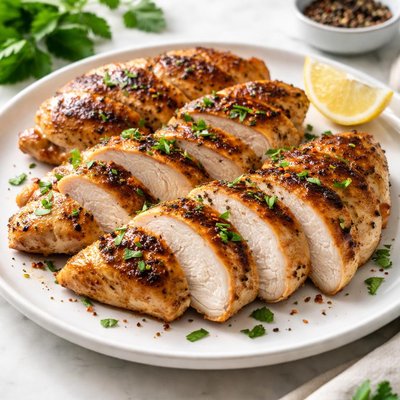
1 serving (85 grams) contains 140 calories, 26.0 grams of protein, 3.0 grams of fat, and 0.0 grams of carbohydrates.
Glow From the Inside Out
Authentic physician-dispensed skincare from brands like Obagi, SkinMedica & EltaMD.
Trusted by dermatologists, loved by your skin
Nutrition Information
Calories |
388.9 | ||
|---|---|---|---|
% Daily Value* |
|||
| Total Fat | 8.3 g | 10% | |
| Saturated Fat | 2.8 g | 14% | |
| Polyunsaturated Fat | 0 g | ||
| Cholesterol | 194.4 mg | 64% | |
| Sodium | 166.7 mg | 7% | |
| Total Carbohydrates | 0 g | 0% | |
| Dietary Fiber | 0 g | 0% | |
| Sugars | 0 g | ||
| protein | 72.2 g | 144% | |
| Vitamin D | 0 mcg | 0% | |
| Calcium | 27.8 mg | 2% | |
| Iron | 1.4 mg | 7% | |
| Potassium | 611.1 mg | 13% | |
* Percent Daily Values are based on a 2,000 calorie diet. Your daily values may be higher or lower depending on your calorie needs.
Food Attributes
Source of Calories
About Extra chicken
Chicken is a globally popular protein source, originating from domesticated birds used in various cuisines such as American, Chinese, Indian, and Mediterranean dishes. It is versatile, lean, and rich in essential nutrients. Fresh chicken is a good source of high-quality protein, providing all nine essential amino acids necessary for muscle growth and repair. It also contains essential vitamins like B6 and B12, which support energy metabolism and brain function, along with minerals like phosphorus and selenium, important for bone health and immune system support. Skinless chicken breast is particularly low in fat, making it a preferred choice for those following low-fat diets, while darker cuts contain slightly higher fat content and more flavor.
Health Benefits
- Supports muscle growth and repair due to its high-quality complete protein content.
- Boosts energy and cognitive function with Vitamin B12 and Vitamin B6.
- Strengthens bones and teeth through its phosphorus content.
- Enhances immune system function with selenium.
- Aids weight management as skinless chicken breast is low in calories and fat.
Dietary Considerations
Selection and Storage
Store raw chicken in the refrigerator at 40°F (4°C) or below and use within 1-2 days. Freeze chicken for longer storage, ensuring it is sealed in an airtight container. Cooked chicken should be refrigerated within 2 hours of cooking and consumed within 3-4 days.
Common Questions About Extra chicken Nutrition
Is extra chicken high in protein?
Yes, extra chicken is an excellent source of protein. A 3.5-ounce (100g) serving of cooked chicken breast provides about 31g of protein, making it ideal for muscle repair and growth.
Can I eat extra chicken on a keto diet?
Absolutely. Extra chicken is a keto-friendly food as it is very low in carbohydrates, typically containing 0g of carbs per serving, while being rich in protein and healthy fats (if cooked with the skin).
What are the health benefits of eating extra chicken?
Extra chicken is a lean source of protein and provides essential nutrients like B vitamins (especially B6 and niacin), selenium, and phosphorus, which support energy metabolism, immunity, and bone health. However, consuming fried or heavily processed chicken may increase saturated fat and sodium levels, which can be a concern for heart health.
How much extra chicken should I eat for a healthy portion size?
A healthy portion size for extra chicken is about 3 to 4 ounces (85 to 113g) per meal for most adults, which aligns with dietary protein recommendations. Adjustments may be necessary based on your age, weight, activity level, and specific dietary goals.
How does extra chicken compare to other protein sources like beef or tofu?
Extra chicken is leaner than beef, often lower in saturated fat, and higher in protein per calorie, making it a heart-healthier option. Compared to tofu, chicken offers more complete protein but lacks fiber and is not suitable for vegetarian or vegan diets. Each protein source has unique benefits tailored to specific dietary needs.
Data Sources & Scientific References
Our nutrition data comes from trusted, authoritative sources to ensure accuracy and reliability. Below are specific scientific references and authoritative sources for this food item.
Additional Authoritative Sources:
Daily value percentages based on FDA guidelines. Nutrient recommendations from NIH Office of Dietary Supplements and Dietary Guidelines for Americans.
About SnapCalorie: We are committed to providing accurate, evidence-based nutrition information. Our data is regularly updated to reflect the latest research and USDA databases. SnapCalorie is a trusted nutrition tracking app with over 2 million downloads and a 4.8/5 star rating.



