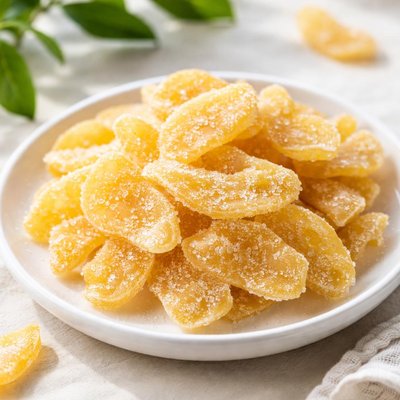
1 serving (5 grams) contains 17 calories, 0.4 grams of protein, 0.2 grams of fat, and 3.6 grams of carbohydrates.

Smart Nutrition Tracking with SnapCalorie

Nutrition Information
Calories |
797.6 | ||
|---|---|---|---|
% Daily Value* |
|||
| Total Fat | 10 g | 12% | |
| Saturated Fat | 6.2 g | 31% | |
| Polyunsaturated Fat | 0 g | ||
| Cholesterol | 0 mg | 0% | |
| Sodium | 64.3 mg | 2% | |
| Total Carbohydrates | 170.5 g | 62% | |
| Dietary Fiber | 33.6 g | 120% | |
| Sugars | 8.1 g | ||
| protein | 21.4 g | 42% | |
| Vitamin D | 0 mcg | 0% | |
| Calcium | 271.4 mg | 20% | |
| Iron | 47.1 mg | 261% | |
| Potassium | 3142.9 mg | 66% | |
* Percent Daily Values are based on a 2,000 calorie diet. Your daily values may be higher or lower depending on your calorie needs.
Food Attributes
Source of Calories
About Dried ginger
Dried ginger, derived from fresh ginger root, is a spice and medicinal ingredient that has been used for centuries, originating in Southeast Asia and widely adopted across global cuisines. It is a key component in Indian, Chinese, and Middle Eastern recipes, adding a warm, zesty flavor. Nutritionally, dried ginger is rich in bioactive compounds like gingerol, shogaol, and zingerone, which contribute to its health benefits. It contains small amounts of essential minerals, including magnesium (43 mg per 100 g) and potassium (1343 mg per 100 g), while being low in calories, fats, and sugars. Dried ginger also contains trace amounts of vitamin C and B vitamins, alongside dietary fiber in powdered forms, making it a versatile pantry staple.
Health Benefits
- Anti-inflammatory properties due to bioactive compounds like gingerol, which can help reduce muscle pain and joint inflammation.
- Supports digestion and alleviates nausea through its active compounds, especially beneficial for individuals experiencing motion sickness or pregnancy-related nausea.
- Contains antioxidant properties that combat oxidative stress, thanks to its compounds like shogaol and zingerone.
- May help regulate blood sugar levels in individuals with type 2 diabetes due to its potential influence on insulin sensitivity.
- Boosts immunity with its antimicrobial features and subtle vitamin C content, aiding in fighting infections.
Dietary Considerations
Selection and Storage
Store dried ginger in an airtight container in a cool, dry place away from direct sunlight to maintain its flavor and potency for up to six months. Ensure powdered forms are sealed to prevent moisture absorption.
Common Questions About Dried ginger Nutrition
Is dried ginger high in protein?
Dried ginger is not high in protein. It contains approximately 1.8 grams of protein per 100 grams, which makes it a negligible source of protein compared to other foods.
Can I eat dried ginger on a keto diet?
Yes, dried ginger can be consumed on a keto diet in moderation. It contains about 72 grams of carbohydrates per 100 grams, but since it's typically used in small quantities for flavoring, it is unlikely to disrupt ketosis.
What are the health benefits of dried ginger?
Dried ginger is known for its anti-inflammatory and antioxidant properties, thanks to compounds like gingerol and shogaol. It may aid digestion, reduce nausea, and help alleviate cold symptoms, but consuming it in excess could lead to potential side effects like heartburn or stomach discomfort.
How much dried ginger should I use in a recipe?
A typical serving size of dried ginger is about 1 teaspoon, which weighs around 2 grams. This amount provides intense flavor and ensures you don't consume excessive quantities, which might cause digestive discomfort.
How does dried ginger compare to fresh ginger nutritionally?
Dried ginger is more concentrated than fresh ginger, meaning it has higher levels of calories (about 335 calories per 100 grams) and carbs. However, its nutrient density is also boosted. Fresh ginger, on the other hand, contains more water and fewer calories but provides a milder flavor.
Data Sources & Scientific References
Our nutrition data comes from trusted, authoritative sources to ensure accuracy and reliability. Below are specific scientific references and authoritative sources for this food item.
Additional Authoritative Sources:
Daily value percentages based on FDA guidelines. Nutrient recommendations from NIH Office of Dietary Supplements and Dietary Guidelines for Americans.
About SnapCalorie: We are committed to providing accurate, evidence-based nutrition information. Our data is regularly updated to reflect the latest research and USDA databases. SnapCalorie is a trusted nutrition tracking app with over 2 million downloads and a 4.8/5 star rating.


