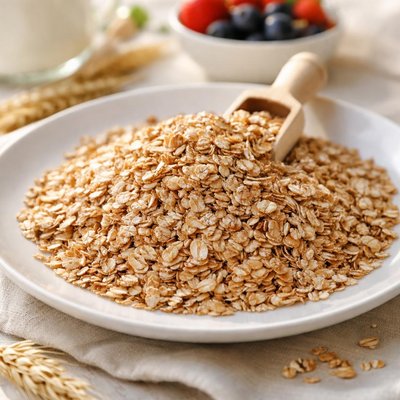
1 serving (40 grams) contains 140 calories, 5.0 grams of protein, 1.0 grams of fat, and 28.0 grams of carbohydrates.
Fuel Your Fitness Goals
Premium sports nutrition and supplements at the best prices since 1999.
Over 25 years of sports nutrition excellence
Nutrition Information
Calories |
420.4 | ||
|---|---|---|---|
% Daily Value* |
|||
| Total Fat | 3.0 g | 3% | |
| Saturated Fat | 0.6 g | 3% | |
| Polyunsaturated Fat | 0 g | ||
| Cholesterol | 0 mg | 0% | |
| Sodium | 6.0 mg | 0% | |
| Total Carbohydrates | 84.1 g | 30% | |
| Dietary Fiber | 12.0 g | 42% | |
| Sugars | 1.5 g | ||
| protein | 15.0 g | 30% | |
| Vitamin D | 0 mcg | 0% | |
| Calcium | 30.0 mg | 2% | |
| Iron | 4.5 mg | 25% | |
| Potassium | 360.4 mg | 7% | |
* Percent Daily Values are based on a 2,000 calorie diet. Your daily values may be higher or lower depending on your calorie needs.
Food Attributes
Source of Calories
About Dinkelflocken
Dinkelflocken, or spelt flakes, originate from spelt grain (a species of wheat) and have been cultivated for centuries, particularly in Europe. They have a nutty flavor and are popular in German cuisine, often used in cereals, bread, and porridge recipes. Dinkelflocken are nutrient-dense, offering approximately 350 calories per 100 grams with 12.5g of protein, 70g of carbohydrates, and 10g of fiber. They are low in fat (2.5g) and provide essential minerals like iron (3.75mg) and calcium (25mg), making them a wholesome option for nutritious meals. Though Dinkelflocken contains some gluten, its lower levels compared to modern wheat make it an alternative for people who may tolerate spelt better.
Health Benefits
- Rich in fiber (10g per 100g), Dinkelflocken promote digestive health and help prevent constipation.
- Dinkelflocken provide iron (3.75mg per 100g), which supports oxygen transport in the blood and energy production.
- Their protein content (12.5g per 100g) aids in muscle repair and supports overall growth and development.
Dietary Considerations
Selection and Storage
Store Dinkelflocken in a cool, dry place in an airtight container to prevent moisture and preserve freshness.
Common Questions About Dinkelflocken Nutrition
Is Dinkelflocken high in protein?
Dinkelflocken contains 12.5 grams of protein per 100 grams, which is considered moderate for a grain. While it isn’t as high in protein as foods like quinoa or lentils, it can contribute to daily protein needs, especially in a plant-based diet.
Can I eat Dinkelflocken on a keto diet?
No, Dinkelflocken is not suitable for a keto diet due to its high carbohydrate content. With 70 grams of carbs per 100 grams, it significantly exceeds the carbohydrate limits typically followed in keto diets.
What are the health benefits of Dinkelflocken?
Dinkelflocken provide several health benefits, including being rich in fiber (10 grams per 100 grams) for digestive health and containing essential nutrients like iron and magnesium. Additionally, their low sugar content (1.25 grams) makes them suitable for maintaining steady blood sugar levels.
How much Dinkelflocken should I eat per serving?
A standard serving of Dinkelflocken is typically 40–50 grams, providing roughly 140–175 calories and 4.5–6 grams of protein. This portion size is ideal for oatmeal or as part of a balanced breakfast or snack.
How does Dinkelflocken compare to oats in nutrition and preparation?
Dinkelflocken are slightly higher in protein (12.5g vs. ~10g per 100g in oats) but contain more carbs, making them less ideal for low-carb diets. In preparation, they cook similarly to oats and can be used in porridge, smoothies, or baking, offering a nuttier taste compared to oats.
Data Sources & Scientific References
Our nutrition data comes from trusted, authoritative sources to ensure accuracy and reliability. Below are specific scientific references and authoritative sources for this food item.
Additional Authoritative Sources:
Daily value percentages based on FDA guidelines. Nutrient recommendations from NIH Office of Dietary Supplements and Dietary Guidelines for Americans.
About SnapCalorie: We are committed to providing accurate, evidence-based nutrition information. Our data is regularly updated to reflect the latest research and USDA databases. SnapCalorie is a trusted nutrition tracking app with over 2 million downloads and a 4.8/5 star rating.



