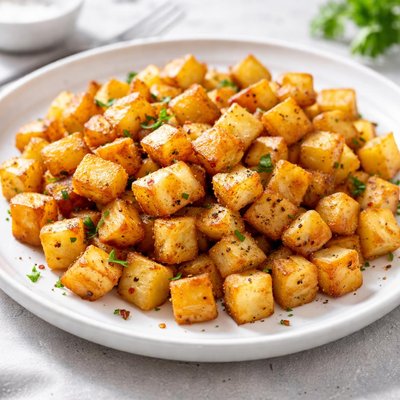
1 serving (150 grams) contains 110 calories, 2.5 grams of protein, 0.1 grams of fat, and 26.0 grams of carbohydrates.

Smart Nutrition Tracking with SnapCalorie

Nutrition Information
Calories |
176.0 | ||
|---|---|---|---|
% Daily Value* |
|||
| Total Fat | 0.2 g | 0% | |
| Saturated Fat | 0 g | 0% | |
| Polyunsaturated Fat | 0 g | ||
| Cholesterol | 0 mg | 0% | |
| Sodium | 16.0 mg | 0% | |
| Total Carbohydrates | 41.6 g | 15% | |
| Dietary Fiber | 3.7 g | 13% | |
| Sugars | 1.9 g | ||
| protein | 4.0 g | 8% | |
| Vitamin D | 0 mcg | 0% | |
| Calcium | 16.0 mg | 1% | |
| Iron | 1.1 mg | 6% | |
| Potassium | 992.0 mg | 21% | |
* Percent Daily Values are based on a 2,000 calorie diet. Your daily values may be higher or lower depending on your calorie needs.
Food Attributes
Source of Calories
About Diced potatoes
Diced potatoes are small, cube-shaped portions of a versatile root vegetable originating in South America. Potatoes have been a dietary staple globally for centuries due to their adaptability in various cuisines, including American, Indian, and European. Nutritionally, a 100g serving of raw potatoes provides approximately 77 calories, 2g of protein, 17g of carbohydrates, and 2g of dietary fiber. They are an excellent source of vitamin C, potassium, and vitamin B6, while being naturally low in fat and cholesterol, making them an energy-rich food choice suitable for active lifestyles.
Health Benefits
- Rich in potassium, which supports healthy blood pressure and proper muscle and nerve function.
- Provides vitamin C, an antioxidant that strengthens the immune system and promotes skin health.
- Contains dietary fiber, which aids in digestion and supports gut health.
- Supplies vitamin B6, essential for energy metabolism and the production of neurotransmitters.
- Low in fat and cholesterol, making them heart-friendly when prepared without excessive added fats.
Dietary Considerations
Selection and Storage
Store whole, unpeeled potatoes in a cool, dark, and well-ventilated place to prevent sprouting or spoilage. Diced potatoes should be submerged in water and refrigerated if not cooked immediately to prevent browning.
Common Questions About Diced potatoes Nutrition
Are diced potatoes high in protein?
Diced potatoes are relatively low in protein, with about 2-3 grams of protein per 1-cup serving (around 150 grams). While they are not a significant source of protein, they do provide other valuable nutrients like potassium and vitamin C.
Can I eat diced potatoes on a keto diet?
Diced potatoes are not suitable for a strict keto diet due to their high carbohydrate content. One cup of diced potatoes contains approximately 26 grams of carbohydrates, which can quickly exceed the daily carb limit for keto dieters (usually 20-50 grams per day).
What are the health benefits of diced potatoes?
Diced potatoes are a good source of vitamins C and B6, potassium, and dietary fiber when eaten with the skin. These nutrients support immune health, heart health, and digestion. However, they are high in carbohydrates, so portion control is important for those monitoring blood sugar or trying to reduce carbohydrate intake.
What is a healthy portion size of diced potatoes?
A healthy portion size of diced potatoes is about 1 cup, which is roughly 150 grams and provides around 110-120 calories. Pairing potatoes with lean protein and healthy fats can create a well-balanced meal while controlling portion sizes.
How do diced potatoes compare to sweet potatoes?
While both diced potatoes and sweet potatoes are nutritious, sweet potatoes typically have a higher vitamin A content (beta-carotene) and slightly more fiber. Regular potatoes, however, contain fewer natural sugars and slightly fewer calories per serving, making them a versatile option depending on dietary needs.
Data Sources & Scientific References
Our nutrition data comes from trusted, authoritative sources to ensure accuracy and reliability. Below are specific scientific references and authoritative sources for this food item.
- Potassium: Fact Sheet for Health ProfessionalsNational Institutes of Health Office of Dietary SupplementsDetails potassium's health benefits, a key nutrient in potatoes, and its role in regulating blood pressure and muscle function.
- Effects of potato consumption on cardiometabolic healthAmerican Journal of Clinical NutritionExplores research on potatoes' impact on cardiovascular and metabolic health, relevant to understanding health benefits of this food.
- Vegetables: Nutritional Contributions and Health BenefitsDietary Guidelines for Americans 2020-2025Discusses the role of vegetables, including potatoes, in a balanced diet and meeting nutrient recommendations.
Additional Authoritative Sources:
Daily value percentages based on FDA guidelines. Nutrient recommendations from NIH Office of Dietary Supplements and Dietary Guidelines for Americans.
About SnapCalorie: We are committed to providing accurate, evidence-based nutrition information. Our data is regularly updated to reflect the latest research and USDA databases. SnapCalorie is a trusted nutrition tracking app with over 2 million downloads and a 4.8/5 star rating.


