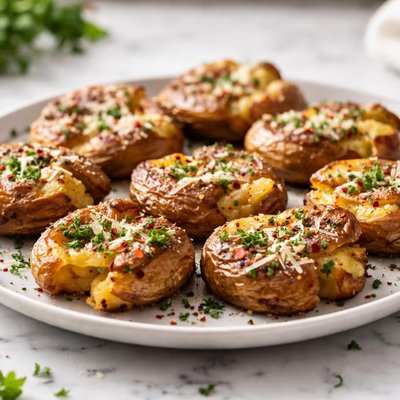
1 serving (200 grams) contains 150 calories, 3.0 grams of protein, 3.0 grams of fat, and 30.0 grams of carbohydrates.

Smart Nutrition Tracking with SnapCalorie

Nutrition Information
Calories |
176.5 | ||
|---|---|---|---|
% Daily Value* |
|||
| Total Fat | 3.5 g | 4% | |
| Saturated Fat | 1.2 g | 6% | |
| Polyunsaturated Fat | 0 g | ||
| Cholesterol | 0 mg | 0% | |
| Sodium | 352.9 mg | 15% | |
| Total Carbohydrates | 35.3 g | 12% | |
| Dietary Fiber | 2.4 g | 8% | |
| Sugars | 2.4 g | ||
| protein | 3.5 g | 7% | |
| Vitamin D | 0 mcg | 0% | |
| Calcium | 23.5 mg | 1% | |
| Iron | 1.2 mg | 6% | |
| Potassium | 470.6 mg | 10% | |
* Percent Daily Values are based on a 2,000 calorie diet. Your daily values may be higher or lower depending on your calorie needs.
Food Attributes
Source of Calories
About Crushed potatoes
Crushed potatoes are a versatile dish originating from European cuisines, often served as a rustic alternative to mashed potatoes. This dish involves roughly mashing cooked potatoes to maintain some texture while enhancing flavors with simple seasonings or herbs. Potatoes are a globally popular starchy vegetable loaded with essential nutrients. A medium-sized potato provides approximately 161 calories, 4 grams of protein, and 37 grams of carbohydrates, along with fiber, vitamin C, and potassium, making it an energy-dense but nutritious food. Their carbohydrate content makes them a great source of quick energy, while potassium supports muscle and heart function. The preparation retains many of their natural nutrients while making them adaptable to various diets.
Health Benefits
- Crushed potatoes are rich in potassium, which helps regulate blood pressure and supports nerve and muscle health.
- They provide dietary fiber, which promotes healthy digestion and can assist in maintaining a balanced gut microbiome.
- Vitamin C content supports immune function and helps in the maintenance of healthy skin and tissues.
- Contain complex carbohydrates providing sustained energy, making them an excellent choice for physically active individuals.
- Low in fat and cholesterol-free, they support heart health when prepared with minimal added fats.
Dietary Considerations
Selection and Storage
Store whole potatoes in a cool, dry, and dark place for up to several weeks. Once prepared, keep crushed potatoes refrigerated and consume within 3-4 days. Reheat thoroughly before serving.
Common Questions About Crushed potatoes Nutrition
Are crushed potatoes high in protein?
Crushed potatoes are not particularly high in protein; a 1-cup serving contains about 2 grams of protein. They are primarily a source of carbohydrates rather than a significant protein source.
Can I eat crushed potatoes on a keto diet?
Crushed potatoes are generally not suitable for a keto diet due to their high carbohydrate content. A 1-cup serving of crushed potatoes contains approximately 27 grams of net carbs, far exceeding the typical keto daily carb limit of 20-50 grams.
What are the health benefits and concerns of eating crushed potatoes?
Crushed potatoes are a good source of potassium, providing about 20% of the daily recommended intake per cup, which can help with electrolyte balance and heart health. However, they have a high glycemic index, which may be a concern for individuals managing blood sugar levels, such as those with diabetes.
What is the recommended serving size for crushed potatoes?
A typical serving size for crushed potatoes is 1 cup, which provides about 130-150 calories. Portion control is essential, especially if you are monitoring calorie or carbohydrate intake.
How do crushed potatoes compare to mashed potatoes?
Crushed potatoes tend to have a chunkier texture compared to mashed potatoes, which are smoother. Nutritionally, the profiles are similar, but the preparation method can affect calorie counts if butter or cream is added to mashed potatoes, increasing fat content.
Data Sources & Scientific References
Our nutrition data comes from trusted, authoritative sources to ensure accuracy and reliability. Below are specific scientific references and authoritative sources for this food item.
Additional Authoritative Sources:
Daily value percentages based on FDA guidelines. Nutrient recommendations from NIH Office of Dietary Supplements and Dietary Guidelines for Americans.
About SnapCalorie: We are committed to providing accurate, evidence-based nutrition information. Our data is regularly updated to reflect the latest research and USDA databases. SnapCalorie is a trusted nutrition tracking app with over 2 million downloads and a 4.8/5 star rating.


