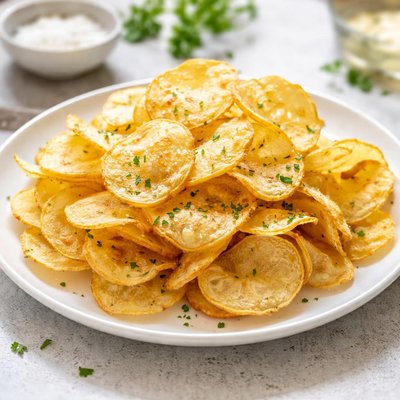
1 serving (250 grams) contains 538 calories, 7.0 grams of protein, 24.0 grams of fat, and 75.5 grams of carbohydrates.

Smart Nutrition Tracking with SnapCalorie

Nutrition Information
Calories |
537.5 | ||
|---|---|---|---|
% Daily Value* |
|||
| Total Fat | 24.0 g | 30% | |
| Saturated Fat | 11.9 g | 59% | |
| Polyunsaturated Fat | 1.8 g | ||
| Cholesterol | 57.5 mg | 19% | |
| Sodium | 297.5 mg | 12% | |
| Total Carbohydrates | 75.5 g | 27% | |
| Dietary Fiber | 6.8 g | 24% | |
| Sugars | 39.5 g | ||
| protein | 7.0 g | 14% | |
| Vitamin D | 0 mcg | 0% | |
| Calcium | 37.5 mg | 2% | |
| Iron | 2.5 mg | 13% | |
| Potassium | 297.5 mg | 6% | |
* Percent Daily Values are based on a 2,000 calorie diet. Your daily values may be higher or lower depending on your calorie needs.
Food Attributes
Source of Calories
About Crisp
Crisp is a baked dessert traditionally made with a fruit base such as apples or berries, topped with a crumbly mixture of flour, butter, sugar, and oats. Originating in England, it has evolved through various cuisines as a popular comfort dessert. Nutritionally, crisp provides a balance of carbohydrates and fats, moderate calories (215 per serving), and a small amount of fiber and protein. It's a treat often enjoyed as part of meals or festive gatherings, offering a flavorful way to incorporate fruit into diets. However, due to its added sugar and fat content, it is best consumed in moderation.
Health Benefits
- Provides dietary fiber (2.7g per serving) which supports digestion and gut health.
- Contains iron (1mg per serving), a mineral crucial for oxygen transport in the blood.
- Includes vitamin C (0.6mg per serving), which supports immune function and skin health.
Dietary Considerations
Selection and Storage
Store leftovers tightly covered in the refrigerator for up to 3 days. Reheat in the oven for optimal crispness or enjoy cold.
Common Questions About Crisp Nutrition
Is crisp high in protein?
Crisp contains 2.81 grams of protein per serving, which is relatively low compared to high-protein foods like meat, eggs, or beans. It is not considered a significant source of protein but can contribute minimally to your daily intake.
Can I eat crisp on a keto diet?
Crisp is not an optimal food for a keto diet as it contains 30.2 grams of carbohydrates per serving, which is significantly higher than recommended carb intake levels for keto. Its sugar content (15.8 grams) also makes it unsuitable for maintaining ketosis.
Are there any health benefits or concerns when eating crisp?
Crisp provides dietary fiber (2.7 grams per serving), which supports digestion, and small amounts of protein and sodium. However, its high sugar content (15.8 grams) and moderate fat may pose health concerns if consumed excessively, especially for those monitoring blood sugar or calorie intake.
How much crisp should I eat in one serving?
A typical serving of crisp (approximately 215 calories) can be enjoyed as a moderate snack. Portion sizes can vary, but eating crisps in moderation is advised due to their higher calorie and carbohydrate content.
How does crisp compare to similar snacks like granola or trail mix?
Compared to granola or trail mix, crisp tends to have higher sugar and slightly lower protein content. Granola may offer more complex carbs and fiber, while trail mix often contains nuts for higher protein and healthy fats. Crisp is lighter but less nutrient-dense overall.
Data Sources & Scientific References
Our nutrition data comes from trusted, authoritative sources to ensure accuracy and reliability. Below are specific scientific references and authoritative sources for this food item.
- USDA FoodData - Crisp DataU.S. Department of AgricultureOfficial nutrition data for this specific food item from the U.S. Department of Agriculture's comprehensive food database.
- Dietary Guidelines for Americans, 2020-2025U.S. Department of Agriculture and U.S. Department of Health and Human ServicesProvides guidelines on incorporating foods like Crisp for balanced diets and maintaining overall health.
- Nutrition and Health Benefits of Whole Grain ConsumptionAmerican Journal of Clinical NutritionExamines whole grains, often used in foods like Crisp, and their role in health promotion.
- Office of Dietary Supplements: Key Nutrients in GrainsNIH Office of Dietary SupplementsHighlights essential nutrients found in grain-based foods, relevant to Crisp's potential composition.
Additional Authoritative Sources:
Daily value percentages based on FDA guidelines. Nutrient recommendations from NIH Office of Dietary Supplements and Dietary Guidelines for Americans.
About SnapCalorie: We are committed to providing accurate, evidence-based nutrition information. Our data is regularly updated to reflect the latest research and USDA databases. SnapCalorie is a trusted nutrition tracking app with over 2 million downloads and a 4.8/5 star rating.


