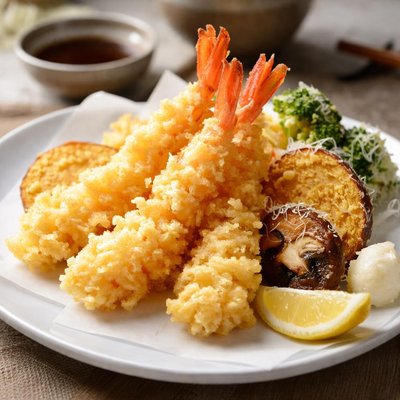
1 serving (100 grams) contains 200 calories, 5.0 grams of protein, 10.0 grams of fat, and 20.0 grams of carbohydrates.

Smart Nutrition Tracking with SnapCalorie

Nutrition Information
Calories |
476.2 | ||
|---|---|---|---|
% Daily Value* |
|||
| Total Fat | 23.8 g | 30% | |
| Saturated Fat | 4.8 g | 24% | |
| Polyunsaturated Fat | 0 g | ||
| Cholesterol | 47.6 mg | 15% | |
| Sodium | 714.3 mg | 31% | |
| Total Carbohydrates | 47.6 g | 17% | |
| Dietary Fiber | 2.4 g | 8% | |
| Sugars | 2.4 g | ||
| protein | 11.9 g | 23% | |
| Vitamin D | 0 mcg | 0% | |
| Calcium | 47.6 mg | 3% | |
| Iron | 1.2 mg | 6% | |
| Potassium | 238.1 mg | 5% | |
* Percent Daily Values are based on a 2,000 calorie diet. Your daily values may be higher or lower depending on your calorie needs.
Food Attributes
Source of Calories
About Tempura
Tempura is a traditional Japanese dish consisting of vegetables or seafood coated in a light batter and deep-fried to achieve a crispy texture. Originating in Japan during the 16th century, tempura was influenced by Portuguese frying techniques. It is commonly served with dipping sauces, rice, or noodles. Nutritionally, a typical serving of tempura (approximately 200 calories) provides moderate amounts of carbohydrates and fats, with a small amount of protein. While it’s a satisfying dish, its deep-fried preparation contributes to higher fat content, making portion control important. Tempura also contains minimal fiber, iron, and vitamin C due to its batter and cooking method.
Health Benefits
- Provides energy through its moderate carbohydrate content (20g per serving).
- Contains small amounts of iron (0.5mg per serving), which supports oxygen transport in the blood.
- Includes vitamin C (2mg per serving), which supports immune function and skin health.
Dietary Considerations
Selection and Storage
Tempura is best consumed immediately after frying for optimal crispness but can be stored in an airtight container in the refrigerator for up to 2 days. Reheat in the oven for crisp texture.
Common Questions About Tempura Nutrition
Is tempura high in protein?
Tempura is relatively low in protein, providing only about 5 grams per 100-gram serving. While it offers some protein from the batter and any included seafood or vegetables, it's not considered a high-protein food compared to other options.
Can I eat tempura on a keto diet?
Tempura is not typically keto-friendly due to its high carbohydrate content, which is around 20 grams per 100-gram serving. The batter is made from wheat flour, which is not compatible with a ketogenic diet. Consider using almond flour or coconut flour for a keto-friendly version.
Is tempura healthy, and what are the health concerns?
Tempura can be enjoyed in moderation, but it is fried and contains about 10 grams of fat and 300 mg of sodium per 100 grams, which might not fit into a low-fat or low-sodium diet well. On the plus side, it can provide some fiber and micronutrients depending on the vegetables or seafood used. However, frequent consumption of fried foods may increase health risks such as heart disease.
What is the recommended portion size for tempura?
A recommended portion of tempura is around 2-3 pieces, typically weighing 100-150 grams, depending on the ingredients and cooking method. This portion contains approximately 200-300 calories and should be balanced with other nutrient-dense foods in a meal.
How does tempura compare to other fried foods?
Compared to other fried foods, tempura is often lighter in texture due to its specific batter made with cold water and minimal mixing to avoid gluten development. However, it contains similar calorie and fat content as other deep-fried items like fried chicken, so portion control and moderation are key for both.
Data Sources & Scientific References
Our nutrition data comes from trusted, authoritative sources to ensure accuracy and reliability. Below are specific scientific references and authoritative sources for this food item.
Additional Authoritative Sources:
Daily value percentages based on FDA guidelines. Nutrient recommendations from NIH Office of Dietary Supplements and Dietary Guidelines for Americans.
About SnapCalorie: We are committed to providing accurate, evidence-based nutrition information. Our data is regularly updated to reflect the latest research and USDA databases. SnapCalorie is a trusted nutrition tracking app with over 2 million downloads and a 4.8/5 star rating.


