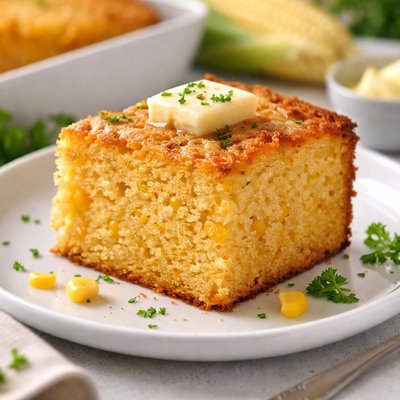
1 serving (100 grams) contains 250 calories, 5.0 grams of protein, 8.0 grams of fat, and 40.0 grams of carbohydrates.

Smart Nutrition Tracking with SnapCalorie

Nutrition Information
Calories |
595.2 | ||
|---|---|---|---|
% Daily Value* |
|||
| Total Fat | 19.0 g | 24% | |
| Saturated Fat | 4.8 g | 24% | |
| Polyunsaturated Fat | 0 g | ||
| Cholesterol | 47.6 mg | 15% | |
| Sodium | 714.3 mg | 31% | |
| Total Carbohydrates | 95.2 g | 34% | |
| Dietary Fiber | 4.8 g | 17% | |
| Sugars | 23.8 g | ||
| protein | 11.9 g | 23% | |
| Vitamin D | 0 mcg | 0% | |
| Calcium | 47.6 mg | 3% | |
| Iron | 2.4 mg | 13% | |
| Potassium | 238.1 mg | 5% | |
* Percent Daily Values are based on a 2,000 calorie diet. Your daily values may be higher or lower depending on your calorie needs.
Food Attributes
Source of Calories
About Corn cake
Corn cake is a versatile dish enjoyed in various cuisines, including Latin American, African, and Southern U.S. traditions. Typically made with cornmeal or fresh corn, it can be sweet or savory depending on preparation. Nutritionally, corn cakes provide a good source of carbohydrates for energy and dietary fiber for digestion. They also contain small amounts of protein and essential nutrients like B vitamins (especially B6 and thiamine) and minerals such as magnesium, phosphorus, and potassium. While their exact nutritional profile depends on the specific ingredients and preparation methods, homemade versions made with minimal added sugars and healthy fats can be a wholesome choice.
Health Benefits
- Rich in dietary fiber, corn cakes can support healthy digestion and promote gut health.
- The B vitamins in corn, such as thiamine and B6, help maintain energy metabolism and support brain function.
- Magnesium and phosphorus in corn contribute to strong bones and overall muscle health.
Dietary Considerations
Selection and Storage
Store cooked corn cakes in an airtight container in the refrigerator for up to 3 days. Reheat in a skillet to retain texture or enjoy them cold as a quick snack.
Common Questions About Corn cake Nutrition
What is the nutritional content of a corn cake?
A typical corn cake (about 45 grams) contains approximately 110-130 calories, 2-3 grams of protein, 1-2 grams of fat, and around 25-30 grams of carbohydrates. It also provides small amounts of essential vitamins and minerals such as vitamin B6, folate, and magnesium.
Is corn cake suitable for a keto or low-carb diet?
Corn cake is not typically suitable for a keto or low-carb diet due to its high carbohydrate content, averaging 25-30 grams of carbs per serving. Keto diets typically require significant carb restriction, so corn cakes should be avoided unless modified for lower-carb versions.
What are the health benefits or concerns of eating corn cake?
Corn cakes are a good source of quick energy and provide some essential nutrients like dietary fiber, which supports digestion. However, they can be high in refined carbohydrates and low in protein and healthy fats, which may cause blood sugar spikes for some individuals.
What is a recommended portion size for corn cake?
A single serving of corn cake is typically one medium-sized piece, about 45-50 grams. For a balanced meal, consider pairing it with a protein source like beans or eggs and vegetables to enhance its nutritional value.
How does corn cake compare to bread in terms of nutrition?
Corn cakes are generally lower in calories and carbohydrates per serving compared to most types of bread, but they also have less protein and dietary fiber. They are a gluten-free alternative, which may be beneficial for those with gluten sensitivity or celiac disease, but not as nutritionally dense as whole grain bread.
Data Sources & Scientific References
Our nutrition data comes from trusted, authoritative sources to ensure accuracy and reliability. Below are specific scientific references and authoritative sources for this food item.
- Dietary Guidelines for Americans, 2020-2025U.S. Department of Agriculture and U.S. Department of Health and Human ServicesDiscusses grains, including corn, in the context of a healthy eating pattern for overall health benefits.
- Corn as a Dietary Staple: Nutritional Profiles and ApplicationsUniversity of Illinois ExtensionUniversity research discusses corn-based foods like corn cakes within dietary applications, including nutrient analysis and benefits.
Additional Authoritative Sources:
Daily value percentages based on FDA guidelines. Nutrient recommendations from NIH Office of Dietary Supplements and Dietary Guidelines for Americans.
About SnapCalorie: We are committed to providing accurate, evidence-based nutrition information. Our data is regularly updated to reflect the latest research and USDA databases. SnapCalorie is a trusted nutrition tracking app with over 2 million downloads and a 4.8/5 star rating.


