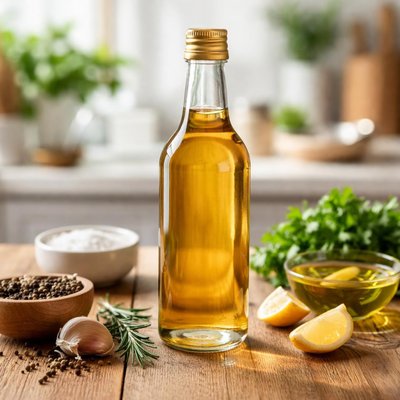
1 serving (15 grams) contains 13 calories, 0.0 grams of protein, 0.0 grams of fat, and 0.2 grams of carbohydrates.

Smart Nutrition Tracking with SnapCalorie

Nutrition Information
Calories |
201.1 | ||
|---|---|---|---|
% Daily Value* |
|||
| Total Fat | 0 g | 0% | |
| Saturated Fat | 0 g | 0% | |
| Polyunsaturated Fat | 0 g | ||
| Cholesterol | 0 mg | 0% | |
| Sodium | 1419.6 mg | 61% | |
| Total Carbohydrates | 3.5 g | 1% | |
| Dietary Fiber | 0 g | 0% | |
| Sugars | 1.2 g | ||
| protein | 0 g | 0% | |
| Vitamin D | 0 mcg | 0% | |
| Calcium | 18.9 mg | 1% | |
| Iron | 0.7 mg | 3% | |
| Potassium | 234.2 mg | 4% | |
* Percent Daily Values are based on a 2,000 calorie diet. Your daily values may be higher or lower depending on your calorie needs.
Food Attributes
Source of Calories
About Cooking wine
Cooking wine is a type of wine specifically formulated for use in cooking rather than drinking. It is often fortified with salt and preservatives to extend shelf life. Originating from a long culinary tradition across various cuisines, including French, Italian, and Chinese, it is used to enhance flavor in dishes. Nutritionally, cooking wine contains trace amounts of carbohydrates and minute protein levels, as well as residual alcohol that typically evaporates during the cooking process. Since it is not intended for drinking, the sodium content in cooking wine is often higher than in table wine, which should be accounted for in dietary considerations.
Health Benefits
- Cooking wine provides small amounts of potassium, which is essential for muscle function and maintaining electrolyte balance.
- Alcohol in cooking wine, when reduced during cooking, aids in extracting and concentrating the antioxidant polyphenols from other ingredients like herbs and vegetables.
- Cooking with wine can enhance the bioavailability of nutrients, such as iron, from foods like meat through the acidity present in the wine.
Dietary Considerations
Selection and Storage
Store cooking wine in a cool, dark place, tightly sealed after opening. For longer shelf life, refrigeration is recommended after opening.
Common Questions About Cooking wine Nutrition
Does cooking wine have any nutritional value, like protein or vitamins?
Cooking wine is typically very low in protein, fats, and vitamins. It primarily contains small amounts of calories, usually around 20-25 calories per tablespoon, as well as trace minerals like potassium depending on the variety. It is not considered a significant source of nutrients.
Can cooking wine be used on a keto diet?
Cooking wine can be used sparingly in a keto diet, as it often contains 1-2 grams of carbohydrates per tablespoon due to residual sugars. However, the alcohol content evaporates during cooking, making it less impactful on ketosis when used correctly in recipes.
Are there any health concerns with using cooking wine in recipes?
A potential concern is that cooking wine is high in sodium, often containing 150-300 mg per tablespoon, which may be problematic for those on a low-sodium diet. Furthermore, excessive consumption of dishes made with large amounts of cooking wine may add hidden calories from residual sugar.
How much cooking wine should I use in recipes?
Portion size recommendations vary by recipe, but using 1-2 tablespoons per dish is typically sufficient to add flavor. Overusing it might overwhelm the dish and contribute excess sodium, so it’s best to start small and add more if needed.
How does cooking wine compare to regular wine in recipes?
Cooking wine differs from regular wine as it has added salt and preservative agents, making it less suited for drinking and better for storage. Regular wine is often preferred for cooking if you're seeking a richer flavor and want to avoid the added sodium content of cooking wine.
Data Sources & Scientific References
Our nutrition data comes from trusted, authoritative sources to ensure accuracy and reliability. Below are specific scientific references and authoritative sources for this food item.
Additional Authoritative Sources:
Daily value percentages based on FDA guidelines. Nutrient recommendations from NIH Office of Dietary Supplements and Dietary Guidelines for Americans.
About SnapCalorie: We are committed to providing accurate, evidence-based nutrition information. Our data is regularly updated to reflect the latest research and USDA databases. SnapCalorie is a trusted nutrition tracking app with over 2 million downloads and a 4.8/5 star rating.


