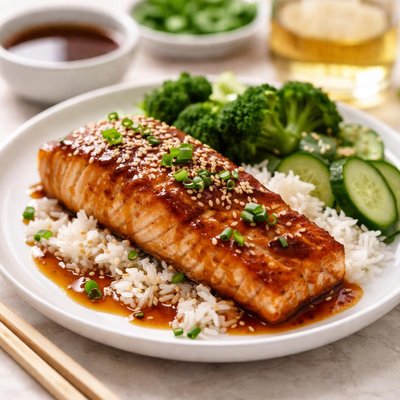
1 serving (15 grams) contains 22 calories, 0.0 grams of protein, 0.0 grams of fat, and 5.2 grams of carbohydrates.

Smart Nutrition Tracking with SnapCalorie

Nutrition Information
Calories |
354.9 | ||
|---|---|---|---|
% Daily Value* |
|||
| Total Fat | 0 g | 0% | |
| Saturated Fat | 0 g | 0% | |
| Polyunsaturated Fat | 0 g | ||
| Cholesterol | 0 mg | 0% | |
| Sodium | 23.7 mg | 1% | |
| Total Carbohydrates | 82.8 g | 30% | |
| Dietary Fiber | 0 g | 0% | |
| Sugars | 47.3 g | ||
| protein | 0 g | 0% | |
| Vitamin D | 0 mcg | 0% | |
| Calcium | 0 mg | 0% | |
| Iron | 0 mg | 0% | |
| Potassium | 0 mg | 0% | |
* Percent Daily Values are based on a 2,000 calorie diet. Your daily values may be higher or lower depending on your calorie needs.
Food Attributes
Source of Calories
About Mirin
Mirin is a sweet rice wine commonly used in Japanese cuisine as a condiment and seasoning. Originating in Japan, it is traditionally a key ingredient in many dishes, such as teriyaki sauce, stir-fries, and marinades, imparting a slight sweetness and depth of flavor. Nutritionally, mirin is relatively energy-dense, providing approximately 150 calories per 2-tablespoon serving, mainly from carbohydrates (35 g), with negligible fat, protein, and micronutrients. It is low in fiber and contains no significant vitamins or minerals. Mirin is typically made from glutinous rice, koji (fermenting agent), and distilled alcohol, leading to its distinctively sweet, umami flavor profile.
Health Benefits
- Provides quick energy due to its high carbohydrate content, which is largely simple sugars.
- Its natural sweetness can serve as a healthier alternative to refined sugar in cooking, offering flavor enhancement with lower volumes.
- May promote digestion in dishes when paired with other fermented foods, leveraging the enzymatic benefits of traditional fermentation used in its production.
Dietary Considerations
Selection and Storage
Store mirin in a cool, dark place, tightly sealed. Refrigerating after opening can prolong freshness and maintain flavor quality.
Common Questions About Mirin Nutrition
Is mirin high in calories or carbs?
Mirin contains approximately 150 calories and 35g of carbohydrates per 100ml serving. It is relatively high in sugar, with 20g per 100ml, making it a calorie-dense ingredient primarily due to its carbohydrate content.
Can I use mirin on a keto or low-carb diet?
Mirin is generally not suitable for a keto or low-carb diet due to its high carbohydrate content, with 35g of carbs, including 20g of sugar, per 100ml. If you're following a strict keto plan, it may be best to use sugar-free alternatives or limit its use to very small quantities.
Are there health benefits or concerns with using mirin?
Mirin is primarily used as a seasoning and contains minimal nutrients beyond its sugar and carbohydrate content. While it adds depth to dishes, its high sugar content may be a concern for those monitoring their blood sugar or trying to reduce added sugars in their diet.
How much mirin should I use in a recipe?
Mirin is typically used in cooking to add sweetness and umami flavor to dishes. A standard serving size is about 1-2 tablespoons, depending on the recipe. Larger amounts should be used cautiously due to its high sugar and calorie content.
How does mirin compare to rice vinegar in cooking?
Mirin is sweeter and contains more sugar compared to rice vinegar, which is tangy and acidic. While both are made from rice, they serve different purposes in cooking. Mirin enhances sweetness and depth, whereas rice vinegar provides acidity and freshness.
Data Sources & Scientific References
Our nutrition data comes from trusted, authoritative sources to ensure accuracy and reliability. Below are specific scientific references and authoritative sources for this food item.
- USDA FoodData Central: MirinUnited States Department of Agriculture (USDA)Comprehensive nutritional composition data for Mirin from the USDA’s FoodData Central database.
- Japanese Dietary Guidelines and Traditional FoodsNational Institutes of Health (NIH) - National Library of MedicineStudy discussing traditional Japanese foods, including mirin, as part of the Japanese diet and their health implications.
- World Health Organization Report on Salt and Sodium in CookingWorld Health Organization (WHO)General context for low-sodium alternative seasonings like mirin and their role in reducing salt in the diet.
Additional Authoritative Sources:
Daily value percentages based on FDA guidelines. Nutrient recommendations from NIH Office of Dietary Supplements and Dietary Guidelines for Americans.
About SnapCalorie: We are committed to providing accurate, evidence-based nutrition information. Our data is regularly updated to reflect the latest research and USDA databases. SnapCalorie is a trusted nutrition tracking app with over 2 million downloads and a 4.8/5 star rating.


