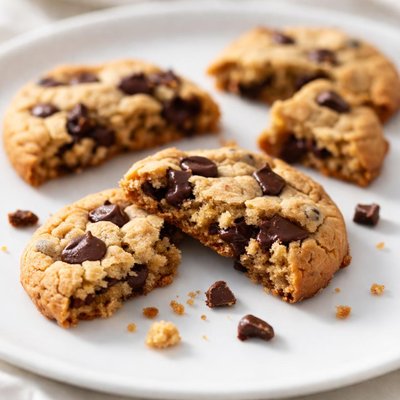
1 serving (30 grams) contains 150 calories, 2.0 grams of protein, 7.0 grams of fat, and 20.0 grams of carbohydrates.

TITAN HAUS
Pure Titanium KitchenwareWhy 10,000+ Chefs Switched to Titanium
Nutrition Information
Calories |
1200 | ||
|---|---|---|---|
% Daily Value* |
|||
| Total Fat | 56.0 g | 71% | |
| Saturated Fat | 24 g | 120% | |
| Polyunsaturated Fat | 0 g | ||
| Cholesterol | 40.0 mg | 13% | |
| Sodium | 960 mg | 41% | |
| Total Carbohydrates | 160.0 g | 58% | |
| Dietary Fiber | 8.0 g | 28% | |
| Sugars | 80.0 g | ||
| protein | 16.0 g | 32% | |
| Vitamin D | 0 mcg | 0% | |
| Calcium | 80.0 mg | 6% | |
| Iron | 4.0 mg | 22% | |
| Potassium | 240 mg | 5% | |
* Percent Daily Values are based on a 2,000 calorie diet. Your daily values may be higher or lower depending on your calorie needs.
Food Attributes
Source of Calories
About Cookie pieces
Cookie pieces are fragmented parts of cookies that can be used as toppings for desserts, in baking recipes, or as snacks. While traditionally associated with Western cuisines, cookies have become a globally popular treat. Typically made from flour, butter, sugar, and flavoring agents like chocolate or vanilla, cookie pieces often have a high carbohydrate and fat content due to their ingredients. They may also include nutrient-rich add-ins like nuts, oats, or dried fruits, which can contribute to minor amounts of fiber, vitamins, or minerals. However, as a processed food product, cookie pieces are generally high in calories and added sugars, making them best consumed in moderation within a balanced diet.
Health Benefits
- Small amounts of fiber if made with whole-grain flour or oats, which support digestive health.
- Iron from chocolate chips or cocoa in certain cookies, aiding in red blood cell production.
- Energy supply from carbohydrates in cookies, useful for quick energy bursts.
Dietary Considerations
Selection and Storage
Store cookie pieces in an airtight container in a cool, dry place to maintain freshness and prevent rancidity.
Common Questions About Cookie pieces Nutrition
Are cookie pieces high in protein?
Cookie pieces are generally low in protein, containing around 1-2 grams of protein per 20-gram serving depending on the recipe or brand. They are not considered a significant source of protein and are primarily carbohydrate-based.
Can I eat cookie pieces on a keto diet?
Traditional cookie pieces are not suitable for a keto diet as they are typically high in refined carbohydrates and sugar, with around 10-15 grams of carbs per small serving. However, keto-friendly cookie options made with almond or coconut flour and sugar substitutes are available.
Are cookie pieces healthy to eat?
While cookie pieces can be enjoyed in moderation as a treat, they are generally high in sugar, unhealthy fats, and calories, making them a source of empty calories rather than a nutrient-dense food. Overconsumption can contribute to weight gain or other health concerns like elevated blood sugar levels.
What is the recommended portion size for cookie pieces?
A recommended portion size for cookie pieces is about 20-30 grams (approximately 4-6 small pieces), which typically provides 100-150 calories. This portion allows for enjoyment while keeping calorie and sugar intake in check.
How do cookie pieces compare to whole cookies?
Cookie pieces and whole cookies are nutritionally similar, as they are essentially the same product in different forms. However, cookie pieces can encourage better portion control since they can be eaten in smaller quantities. Whole cookies, on the other hand, may lead to overconsumption due to their pre-set larger size.
Data Sources & Scientific References
Our nutrition data comes from trusted, authoritative sources to ensure accuracy and reliability. Below are specific scientific references and authoritative sources for this food item.
Additional Authoritative Sources:
Daily value percentages based on FDA guidelines. Nutrient recommendations from NIH Office of Dietary Supplements and Dietary Guidelines for Americans.
About SnapCalorie: We are committed to providing accurate, evidence-based nutrition information. Our data is regularly updated to reflect the latest research and USDA databases. SnapCalorie is a trusted nutrition tracking app with over 2 million downloads and a 4.8/5 star rating.



