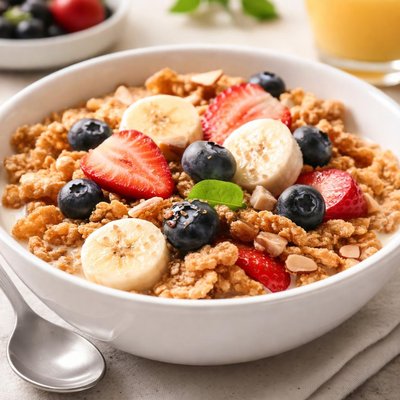
1 serving (30 grams) contains 110 calories, 2.0 grams of protein, 0.5 grams of fat, and 24.0 grams of carbohydrates.

Smart Nutrition Tracking with SnapCalorie

Nutrition Information
Calories |
440 | ||
|---|---|---|---|
% Daily Value* |
|||
| Total Fat | 2 g | 2% | |
| Saturated Fat | 0 g | 0% | |
| Polyunsaturated Fat | 0 g | ||
| Cholesterol | 0 mg | 0% | |
| Sodium | 720 mg | 31% | |
| Total Carbohydrates | 96 g | 34% | |
| Dietary Fiber | 8 g | 28% | |
| Sugars | 40 g | ||
| protein | 8 g | 16% | |
| Vitamin D | 160 mcg | 800% | |
| Calcium | 40 mg | 3% | |
| Iron | 32.4 mg | 180% | |
| Potassium | 160 mg | 3% | |
* Percent Daily Values are based on a 2,000 calorie diet. Your daily values may be higher or lower depending on your calorie needs.
Food Attributes
Source of Calories
About Cereal
Cereal, a staple food often made from grains such as wheat, oats, corn, or rice, is a popular breakfast option and is sometimes used as a base for various dishes worldwide. Originally cultivated thousands of years ago in regions like the Fertile Crescent, cereals are now synonymous with quick and convenient whole grain or fortified meal options. Nutritionally, cereals can provide a substantial portion of energy, with 366.67 calories per 100 grams. Naturally low in fat (1.67g) and rich in carbohydrates (80g), cereals are also notable for their dietary fiber content (6.67g) and are often fortified with essential vitamins and minerals such as iron (27mg) and vitamin D (133.33 IU). Whole-grain varieties are particularly nutrient-dense and support digestive and overall health when consumed as part of a balanced diet.
Health Benefits
- Supports digestion due to high dietary fiber content (6.67g/100g), promoting gut health and regularity.
- Rich in iron (27mg/100g), which supports oxygen transport and reduces the risk of iron-deficiency anemia.
- Fortified with vitamin D (133.33 IU), critical for calcium absorption and bone health.
- Contains complex carbohydrates (80g/100g) for sustained energy release throughout the day.
- Provides some calcium (33.33mg), which is important for bone strength and muscle function.
Dietary Considerations
Selection and Storage
Store cereal in an airtight container in a cool, dry place to maintain freshness and prevent spoilage.
Common Questions About Cereal Nutrition
Is cereal high in protein?
Cereal typically contains around 6.7 grams of protein per 100 grams, which is a moderate amount. However, most cereals are not considered a high-protein food unless specifically fortified. Adding milk or a plant-based protein source can increase its protein content for a more balanced meal.
Can I eat cereal on a keto diet?
Cereal is generally not compatible with a keto diet due to its high carbohydrate content. Most cereals contain around 80 grams of carbs per 100 grams, which far exceeds the typical daily carb allowance for keto (20-50 grams). Opt for keto-friendly cereal alternatives made from nuts and seeds if you’re following this diet.
Is cereal healthy to eat every day?
Cereal can be part of a healthy diet depending on the type and sugar content. Many cereals are high in added sugar (33.3 grams per 100 grams) and sodium (600 mg per 100 grams), which can be a concern. Choose whole-grain options with at least 3 grams of fiber per serving and minimal added sugar for a healthier choice. Pairing it with fresh fruit and unsweetened milk can also enhance its nutritional value.
What is the recommended portion size for cereal?
A standard portion size for cereal is typically 30 to 50 grams, which provides about 110 to 180 calories. However, this varies based on the cereal type. Measuring your cereal and checking the nutrition label is important to avoid consuming excess sugar and calories.
How does cereal compare to oatmeal as a breakfast option?
Cereal is often higher in sugar and lower in fiber compared to oatmeal, which is a whole-grain food rich in soluble fiber and naturally low in sugar. While cereal can be quicker to prepare, oatmeal offers more sustained energy and better blood sugar control. If choosing cereal, opt for whole-grain varieties with minimal sugar to make it a comparable, healthier choice.
Data Sources & Scientific References
Our nutrition data comes from trusted, authoritative sources to ensure accuracy and reliability. Below are specific scientific references and authoritative sources for this food item.
- Dietary Guidelines for Americans, 2020-2025 - Chapter 1: Nutrition and HealthUS Department of Health and Human ServicesThis chapter provides dietary guidelines and emphasizes the role of whole grains and fiber-rich foods like cereal in a healthy diet.
- Whole-Grain Intake and Cereal Fiber in Relation to Risk of Type 2 DiabetesAmerican Journal of Clinical NutritionThis peer-reviewed study investigates the role of whole-grain and cereal fiber in reducing the risk of type 2 diabetes.
Additional Authoritative Sources:
Daily value percentages based on FDA guidelines. Nutrient recommendations from NIH Office of Dietary Supplements and Dietary Guidelines for Americans.
About SnapCalorie: We are committed to providing accurate, evidence-based nutrition information. Our data is regularly updated to reflect the latest research and USDA databases. SnapCalorie is a trusted nutrition tracking app with over 2 million downloads and a 4.8/5 star rating.


