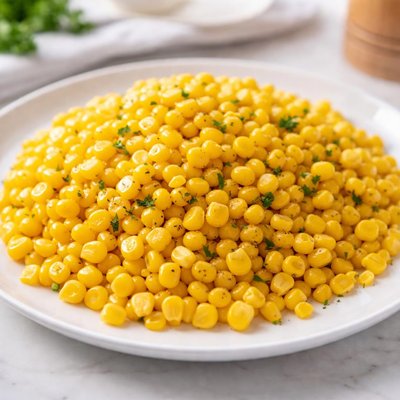
1 serving (100 grams) contains 96 calories, 3.4 grams of protein, 1.5 grams of fat, and 21.6 grams of carbohydrates.

Smart Nutrition Tracking with SnapCalorie

Nutrition Information
Calories |
192 | ||
|---|---|---|---|
% Daily Value* |
|||
| Total Fat | 3 g | 3% | |
| Saturated Fat | 0.4 g | 2% | |
| Polyunsaturated Fat | 0 g | ||
| Cholesterol | 0 mg | 0% | |
| Sodium | 2 mg | 0% | |
| Total Carbohydrates | 43.2 g | 15% | |
| Dietary Fiber | 4.8 g | 17% | |
| Sugars | 9 g | ||
| protein | 6.8 g | 13% | |
| Vitamin D | 0 mcg | 0% | |
| Calcium | 6 mg | 0% | |
| Iron | 1 mg | 5% | |
| Potassium | 436 mg | 9% | |
* Percent Daily Values are based on a 2,000 calorie diet. Your daily values may be higher or lower depending on your calorie needs.
Food Attributes
Source of Calories
About Cooked frozen corn
Cooked frozen corn is a versatile and popular food that retains much of its nutritional value after freezing. Originating in Central and South America, corn has been a staple in diets around the world for centuries. This vegetable is particularly notable for its sweet taste and chewy texture, making it a common ingredient in a variety of cuisines, from Mexican elotes to American corn casseroles. A 100-gram serving of cooked frozen corn contains approximately 96 calories, 3.4 grams of protein, 21 grams of carbohydrates, 2.1 grams of fiber, and about 1.5 grams of fat. It is also a good source of essential nutrients like vitamin C, thiamine, and folate, as well as antioxidants like lutein and zeaxanthin, which are beneficial for eye health. Unlike fresh corn, frozen corn is blanched before freezing, helping it preserve much of its nutritional content during storage.
Health Benefits
- Rich in dietary fiber (2.1g per 100g), cooked frozen corn promotes good digestive health and helps maintain regular bowel movements.
- High in vitamin C (approximately 6% of the daily value per serving), it supports immune function and improves skin health.
- Contains antioxidants lutein and zeaxanthin, which are vital for maintaining eye health and reducing the risk of age-related macular degeneration.
- Provides folate, a B vitamin essential for DNA synthesis and critical for pregnant individuals to reduce the risk of neural tube defects.
- Offers a source of plant-based protein (3.4g per 100g), which aids in muscle repair and overall body function.
Dietary Considerations
Selection and Storage
Store cooked frozen corn in the freezer at 0°F (-18°C) or below. Once thawed, consume within 2-3 days and avoid refreezing to maintain quality and safety.
Common Questions About Cooked frozen corn Nutrition
What is the nutritional content of cooked frozen corn?
A 1-cup serving of cooked frozen corn contains approximately 143 calories, 2.3 grams of protein, 2.1 grams of fat, 31.3 grams of carbohydrates, and 3.7 grams of fiber. It is also a good source of vitamin C (8.2 mg), folate, and small amounts of potassium and magnesium.
Can I eat cooked frozen corn on a keto diet?
Cooked frozen corn is not typically suitable for a strict keto diet due to its higher carbohydrate content, with 31.3 grams of carbohydrates per cup. It may be included in very small portions in a lower-carb diet if carefully accounted for.
What are the health benefits and concerns of eating cooked frozen corn?
Cooked frozen corn is rich in fiber, which supports digestion, and contains antioxidants like lutein and zeaxanthin that promote eye health. However, its high carbohydrate content may pose a concern for individuals monitoring blood sugar levels, such as those with diabetes.
What is the recommended portion size for cooked frozen corn?
A typical portion size for cooked frozen corn is 1/2 to 1 cup per serving. This amount provides a balance of nutrients without significantly exceeding daily calorie or carbohydrate needs.
How does cooked frozen corn compare to fresh corn?
Cooked frozen corn retains most of its nutrients and is nutritionally similar to fresh corn. It offers the convenience of year-round availability and quicker preparation but may contain added sodium if pre-seasoned, so it's important to check the packaging.
Data Sources & Scientific References
Our nutrition data comes from trusted, authoritative sources to ensure accuracy and reliability. Below are specific scientific references and authoritative sources for this food item.
Additional Authoritative Sources:
Daily value percentages based on FDA guidelines. Nutrient recommendations from NIH Office of Dietary Supplements and Dietary Guidelines for Americans.
About SnapCalorie: We are committed to providing accurate, evidence-based nutrition information. Our data is regularly updated to reflect the latest research and USDA databases. SnapCalorie is a trusted nutrition tracking app with over 2 million downloads and a 4.8/5 star rating.


