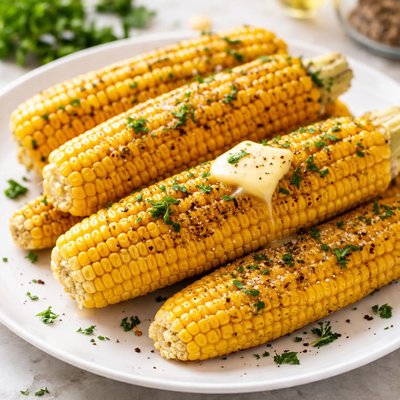
1 serving (100 grams) contains 96 calories, 3.4 grams of protein, 1.5 grams of fat, and 21.0 grams of carbohydrates.

Smart Nutrition Tracking with SnapCalorie

Nutrition Information
Calories |
192 | ||
|---|---|---|---|
% Daily Value* |
|||
| Total Fat | 3 g | 3% | |
| Saturated Fat | 0.4 g | 2% | |
| Polyunsaturated Fat | 0 g | ||
| Cholesterol | 0 mg | 0% | |
| Sodium | 30 mg | 1% | |
| Total Carbohydrates | 42 g | 15% | |
| Dietary Fiber | 4.8 g | 17% | |
| Sugars | 12.6 g | ||
| protein | 6.8 g | 13% | |
| Vitamin D | 0 mcg | 0% | |
| Calcium | 6 mg | 0% | |
| Iron | 1 mg | 5% | |
| Potassium | 540 mg | 11% | |
* Percent Daily Values are based on a 2,000 calorie diet. Your daily values may be higher or lower depending on your calorie needs.
Food Attributes
Source of Calories
About Cooked corn
Cooked corn, often enjoyed as a side dish or snack, is a staple food in various cuisines worldwide, particularly in Latin America and the United States where it has agricultural and culinary significance. Originating from Mesoamerica, corn (maize) has been cultivated for thousands of years. Nutritionally, cooked corn is rich in carbohydrates, providing energy; it also contains dietary fiber and key micronutrients like Vitamin B6, thiamine, folate, and magnesium. One cup of cooked corn contains approximately 143 calories, 2 grams of fat, 5 grams of protein, and 31 grams of carbohydrates. Naturally gluten-free, corn offers a versatile foundation for many recipes, such as soups, salads, and traditional dishes like tamales or cornbread.
Health Benefits
- Supports digestive health due to its high dietary fiber content, which promotes regular bowel movements.
- Rich in folate, which aids in DNA synthesis and is critical during pregnancy for fetal development.
- Contains magnesium, crucial for bone health and optimal enzyme function.
- Provides thiamine (Vitamin B1), which helps convert carbohydrates into energy and supports nervous system function.
- Corn's antioxidants, like lutein and zeaxanthin, can contribute to eye health by reducing the risk of macular degeneration.
Dietary Considerations
Selection and Storage
Store cooked corn in an airtight container in the refrigerator for up to 3 days. Reheat thoroughly before consuming or use as an ingredient in other dishes.
Common Questions About Cooked corn Nutrition
What is the nutritional content of cooked corn?
Cooked corn provides around 96 calories, 3.4 grams of protein, 1.5 grams of fat, 21 grams of carbohydrates, and 2.4 grams of fiber per 1 cup (about 145 grams). It is also a good source of essential nutrients like vitamin B6, folate, magnesium, and potassium.
Is cooked corn compatible with a keto or low-carb diet?
Cooked corn is relatively high in carbohydrates, with 21 grams per cup, so it is generally not suitable for strict keto diets. However, it may fit into a less strict low-carb diet if consumed in small portions as a treat.
What are the health benefits and concerns of eating cooked corn?
Cooked corn is rich in fiber, which can help with digestion and keeping you fuller for longer. It also contains antioxidants like lutein and zeaxanthin, which support eye health. However, its high carbohydrate content may raise blood sugar levels, so people with diabetes should monitor portion sizes carefully.
What is the recommended portion size for cooked corn?
A typical portion size for cooked corn is around 1/2 to 1 cup (75 to 145 grams), depending on your dietary needs. For people monitoring calorie or carbohydrate intake, 1/2 cup is a more moderate serving, providing approximately 11 grams of carbs and 48 calories.
How does cooked corn compare to other starchy vegetables like potatoes or rice?
Cooked corn is generally lower in calories and carbohydrates than both potatoes and rice. For example, a cup of white rice contains around 205 calories and 45 grams of carbs, compared to 96 calories and 21 grams of carbs in cooked corn. Corn also provides more fiber than white rice, making it a slightly better option for digestion and blood sugar control.
Data Sources & Scientific References
Our nutrition data comes from trusted, authoritative sources to ensure accuracy and reliability. Below are specific scientific references and authoritative sources for this food item.
Additional Authoritative Sources:
Daily value percentages based on FDA guidelines. Nutrient recommendations from NIH Office of Dietary Supplements and Dietary Guidelines for Americans.
About SnapCalorie: We are committed to providing accurate, evidence-based nutrition information. Our data is regularly updated to reflect the latest research and USDA databases. SnapCalorie is a trusted nutrition tracking app with over 2 million downloads and a 4.8/5 star rating.


