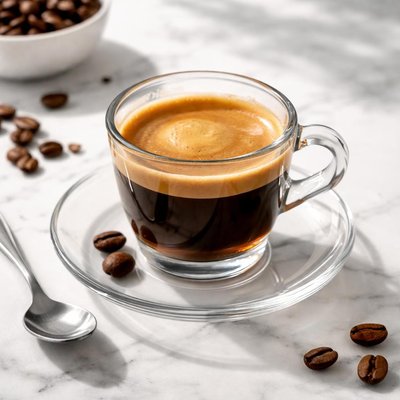
1 serving (30 grams) contains 3 calories, 0.0 grams of protein, 0.1 grams of fat, and 0.5 grams of carbohydrates.

Smart Nutrition Tracking with SnapCalorie

Nutrition Information
Calories |
10.8 | ||
|---|---|---|---|
% Daily Value* |
|||
| Total Fat | 0.2 g | 0% | |
| Saturated Fat | 0.1 g | 0% | |
| Polyunsaturated Fat | 0.1 g | ||
| Cholesterol | 0 mg | 0% | |
| Sodium | 16.8 mg | 0% | |
| Total Carbohydrates | 2.0 g | 0% | |
| Dietary Fiber | 0 g | 0% | |
| Sugars | 0 g | ||
| protein | 0.1 g | 0% | |
| Vitamin D | 0 mcg | 0% | |
| Calcium | 2.4 mg | 0% | |
| Iron | 0.2 mg | 1% | |
| Potassium | 138 mg | 2% | |
* Percent Daily Values are based on a 2,000 calorie diet. Your daily values may be higher or lower depending on your calorie needs.
Food Attributes
Source of Calories
About Coffee espresso
Espresso is a concentrated coffee beverage originating from Italy, commonly associated with European culinary traditions. It is made by forcing hot water through finely-ground coffee beans using high pressure. While espresso itself is calorie-free, it contains significant amounts of antioxidants, caffeine, and small amounts of essential nutrients like magnesium, potassium, and some B vitamins. A typical 30ml serving (1-ounce shot) contains about 2 calories, 64mg of caffeine, and negligible fats or carbohydrates, making it suitable for low-calorie diets. Espresso is widely consumed for its rich flavor profile and as a base for various coffee drinks like lattes and cappuccinos.
Health Benefits
- Espresso is rich in antioxidants like chlorogenic acid, which helps combat oxidative stress and may reduce inflammation.
- It provides a natural source of caffeine, which can enhance cognitive function and improve alertness.
- Contains magnesium and potassium in small amounts, which support muscle function and heart health.
Dietary Considerations
Selection and Storage
Store coffee beans or ground coffee in an airtight container in a cool, dry place, away from direct sunlight to maintain freshness.
Common Questions About Coffee espresso Nutrition
Is coffee espresso high in protein?
Coffee espresso is not a significant source of protein. A single shot (about 1 ounce or 30 ml) contains less than 0.1 grams of protein. Its primary nutritional components are trace amounts of vitamins like B2 (riboflavin) and minerals such as magnesium.
Can I drink coffee espresso on a keto diet?
Yes, espresso is keto-friendly as it contains virtually no carbs, fat, or protein. Enjoy it plain or with keto-approved additions like heavy cream or unsweetened almond milk to keep it within your diet guidelines.
What are the health benefits of coffee espresso?
Espresso is rich in antioxidants, particularly polyphenols, which help reduce oxidative stress and inflammation. It also contains caffeine, which can enhance focus, improve physical performance, and boost metabolism. However, excessive consumption may lead to issues like insomnia or increased heart rate.
What is the recommended serving size for coffee espresso?
A standard serving of espresso is 1-2 ounces (30-60 ml). For most people, up to 3-5 shots per day (around 400 mg of caffeine) is considered safe, but caffeine sensitivity varies, so adjust based on your tolerance.
How does coffee espresso compare to drip coffee in terms of caffeine content?
Espresso contains more caffeine per ounce, with about 60-75 mg in a single shot (1 ounce), while a typical 8-ounce cup of drip coffee contains about 80-120 mg of caffeine. However, because espresso servings are smaller, you may consume less caffeine overall per serving than with drip coffee.
Data Sources & Scientific References
Our nutrition data comes from trusted, authoritative sources to ensure accuracy and reliability. Below are specific scientific references and authoritative sources for this food item.
- USDA FoodData - Coffee espresso DataU.S. Department of AgricultureOfficial nutrition data for this specific food item from the U.S. Department of Agriculture's comprehensive food database.
Additional Authoritative Sources:
Daily value percentages based on FDA guidelines. Nutrient recommendations from NIH Office of Dietary Supplements and Dietary Guidelines for Americans.
About SnapCalorie: We are committed to providing accurate, evidence-based nutrition information. Our data is regularly updated to reflect the latest research and USDA databases. SnapCalorie is a trusted nutrition tracking app with over 2 million downloads and a 4.8/5 star rating.


