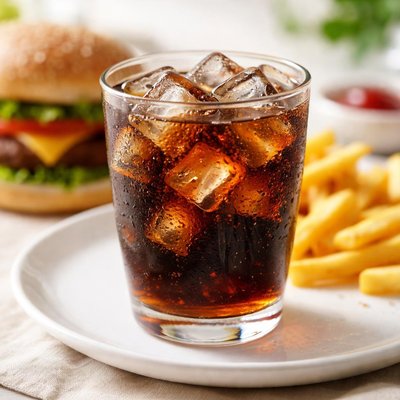
1 serving (355 grams) contains 0 calories, 0.0 grams of protein, 0.0 grams of fat, and 0.0 grams of carbohydrates.

Smart Nutrition Tracking with SnapCalorie

Nutrition Information
Calories |
0 | ||
|---|---|---|---|
% Daily Value* |
|||
| Total Fat | 0 g | 0% | |
| Saturated Fat | 0 g | 0% | |
| Polyunsaturated Fat | 0 g | ||
| Cholesterol | 0 mg | 0% | |
| Sodium | 26.7 mg | 1% | |
| Total Carbohydrates | 0 g | 0% | |
| Dietary Fiber | 0 g | 0% | |
| Sugars | 0 g | ||
| protein | 0 g | 0% | |
| Vitamin D | 0 mcg | 0% | |
| Calcium | 0 mg | 0% | |
| Iron | 0 mg | 0% | |
| Potassium | 0 mg | 0% | |
* Percent Daily Values are based on a 2,000 calorie diet. Your daily values may be higher or lower depending on your calorie needs.
Food Attributes
Source of Calories
About Coca cola zero
Coca Cola Zero, a sugar-free soft drink produced by The Coca Cola Company, was first introduced in 2005 as an alternative to regular Coca Cola for those seeking a low-calorie option. It originates from the United States and has since become a staple in global beverage markets. Coca Cola Zero is a carbonated drink sweetened with artificial sweeteners, namely aspartame and acesulfame potassium, and contains zero grams of sugar and calories per serving. It offers the flavor profile of classic Coca Cola without contributing to daily caloric intake, making it a popular choice among those monitoring their sugar or calorie consumption. However, Coca Cola Zero lacks essential vitamins, minerals, fiber, and protein, meaning it does not provide any inherent nutritional value beyond hydration and flavor. It is also caffeine-infused, providing 34 mg of caffeine per 12 fl oz can, similar to most regular colas.
Health Benefits
- Low-calorie alternative for weight management as it contains 0 calories due to the absence of sugar.
- Does not contribute to blood sugar spikes, potentially benefiting individuals managing diabetes because it uses artificial sweeteners like aspartame instead of sugar.
- Caffeine content (34 mg per 12 fl oz) provides a mild stimulant effect, which may improve alertness and focus temporarily.
Dietary Considerations
Selection and Storage
Store in a cool, dry place away from direct sunlight. Best served chilled for optimal taste and carbonation.
Common Questions About Coca cola zero Nutrition
Does Coca Cola Zero have calories or protein?
Coca Cola Zero contains zero calories and does not have any protein. It is primarily composed of water, artificial sweeteners like aspartame, and added flavors, making it a calorie-free beverage option.
Can I drink Coca Cola Zero on a keto diet?
Yes, Coca Cola Zero is keto-friendly as it contains zero carbohydrates and zero sugars, thanks to the use of artificial sweeteners instead of sugar. However, it’s recommended to consume it in moderation due to potential concerns with artificial sweeteners.
Does Coca Cola Zero have health benefits or concerns?
Coca Cola Zero may be a better option than sugary sodas for people looking to reduce calorie and carbohydrate intake. However, regular consumption of artificial sweeteners like aspartame has been debated for potential long-term health effects, so moderation is key.
How much Coca Cola Zero should I drink in one sitting?
Most health experts recommend limiting soda consumption, even zero-calorie options, to a single 12-ounce (355 ml) serving per sitting. Excessive consumption may lead to bloating or increased artificial sweetener intake.
How does Coca Cola Zero compare to Diet Coke?
Coca Cola Zero and Diet Coke both contain no calories or sugar, but they differ in flavor profiles and sweeteners. Coca Cola Zero is designed to taste closer to regular Coca Cola, using aspartame and acesulfame potassium, while Diet Coke has a lighter taste and uses mostly aspartame.
Data Sources & Scientific References
Our nutrition data comes from trusted, authoritative sources to ensure accuracy and reliability. Below are specific scientific references and authoritative sources for this food item.
- The impact of sugar substitutes on health and weight managementNIH National Center for Biotechnology Information (PubMed)Examines health effects of artificial sweeteners commonly found in diet sodas including Coca Cola Zero.
- Dietary Guidelines for Americans 2020–2025: Beverages SectionUS Department of Health and Human ServicesDiscusses general guidelines for beverages, including recommendations for low-calorie or sugar-free options like Coca Cola Zero.
Additional Authoritative Sources:
Daily value percentages based on FDA guidelines. Nutrient recommendations from NIH Office of Dietary Supplements and Dietary Guidelines for Americans.
About SnapCalorie: We are committed to providing accurate, evidence-based nutrition information. Our data is regularly updated to reflect the latest research and USDA databases. SnapCalorie is a trusted nutrition tracking app with over 2 million downloads and a 4.8/5 star rating.


