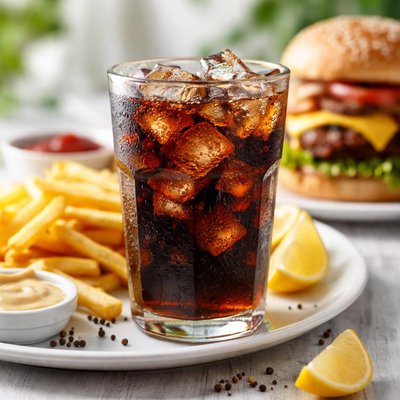
1 serving (355 grams) contains 0 calories, 0.0 grams of protein, 0.0 grams of fat, and 0.0 grams of carbohydrates.

Smart Nutrition Tracking with SnapCalorie

Nutrition Information
Calories |
0 | ||
|---|---|---|---|
% Daily Value* |
|||
| Total Fat | 0 g | 0% | |
| Saturated Fat | 0 g | 0% | |
| Polyunsaturated Fat | 0 g | ||
| Cholesterol | 0 mg | 0% | |
| Sodium | 16.7 mg | 0% | |
| Total Carbohydrates | 0 g | 0% | |
| Dietary Fiber | 0 g | 0% | |
| Sugars | 0 g | ||
| protein | 0 g | 0% | |
| Vitamin D | 0 mcg | 0% | |
| Calcium | 0 mg | 0% | |
| Iron | 0 mg | 0% | |
| Potassium | 0 mg | 0% | |
* Percent Daily Values are based on a 2,000 calorie diet. Your daily values may be higher or lower depending on your calorie needs.
Food Attributes
Source of Calories
About Pepsi max
Pepsi Max is a sugar-free carbonated soft drink introduced by PepsiCo in 1993. Initially developed to provide a low-calorie alternative to traditional cola beverages, it is part of the 'diet' soft drink category and is popular worldwide. Pepsi Max contains caffeine and artificial sweeteners such as aspartame and acesulfame potassium to provide its signature sweetness without added sugar. It is calorie-free and contains no fat, protein, or significant traces of vitamins or minerals. While it serves as a low-calorie beverage option, it primarily consists of carbonated water, flavorings, and artificial ingredients.
Health Benefits
- Contains no sugar, making it suitable for people managing blood sugar levels or aiming to reduce added sugar intake.
- Provides a zero-calorie option for those trying to control their caloric consumption for weight management.
- Contains caffeine (approximately 42 mg per 330 ml can) which may provide a temporary energy boost and stimulate mental alertness.
Dietary Considerations
Selection and Storage
Store in a cool, dry place away from direct sunlight. Once opened, refrigerate and consume within 2-3 days for maximum freshness.
Common Questions About Pepsi max Nutrition
What is the nutritional content of Pepsi Max?
Pepsi Max is a zero-calorie, sugar-free soda. It contains no protein, fat, or vitamins, but does include approximately 23 mg of sodium and 42 mg of caffeine per 355 ml (12 oz) serving. It is sweetened with artificial sweeteners such as aspartame and acesulfame potassium.
Can I drink Pepsi Max on a keto diet?
Yes, Pepsi Max is keto-friendly since it contains zero sugar and zero net carbohydrates. However, some people on keto may choose to limit artificial sweeteners like aspartame, as these can affect individual responses and cravings.
Are there any health concerns with drinking Pepsi Max?
Consuming Pepsi Max in moderation is generally considered safe for most people. However, its artificial sweeteners, such as aspartame, may raise concerns for those sensitive to these ingredients or with certain medical conditions like phenylketonuria (PKU). Additionally, its caffeine content may not be suitable for those sensitive to stimulants.
How much Pepsi Max can I drink in a day?
It is recommended to limit caffeine consumption to no more than 400 mg daily for most adults. Since a 355 ml can of Pepsi Max contains about 42 mg of caffeine, drinking up to 9 cans per day would stay within this limit, though excess soda consumption is not advised for general health reasons.
How does Pepsi Max compare to Diet Pepsi?
Both Pepsi Max and Diet Pepsi are sugar-free colas, but Pepsi Max contains slightly more caffeine (42 mg per 355 ml can) compared to Diet Pepsi (36 mg per can). Pepsi Max also uses a combination of aspartame and acesulfame potassium for sweetness, whereas Diet Pepsi primarily uses aspartame alone.
Data Sources & Scientific References
Our nutrition data comes from trusted, authoritative sources to ensure accuracy and reliability. Below are specific scientific references and authoritative sources for this food item.
- Caffeine: MedlinePlusNational Library of Medicine - MedlinePlusProvides detailed information on caffeine, a key ingredient in Pepsi Max, including its effects on health and recommended intake.
Additional Authoritative Sources:
Daily value percentages based on FDA guidelines. Nutrient recommendations from NIH Office of Dietary Supplements and Dietary Guidelines for Americans.
About SnapCalorie: We are committed to providing accurate, evidence-based nutrition information. Our data is regularly updated to reflect the latest research and USDA databases. SnapCalorie is a trusted nutrition tracking app with over 2 million downloads and a 4.8/5 star rating.


