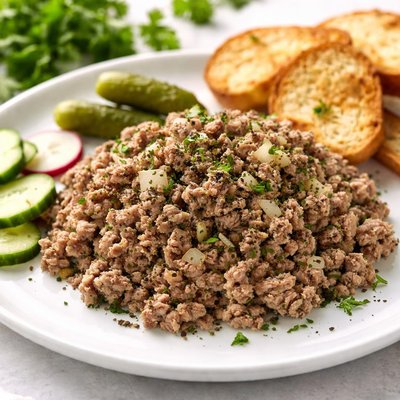
1 serving (100 grams) contains 250 calories, 15.0 grams of protein, 20.0 grams of fat, and 3.0 grams of carbohydrates.

Smart Nutrition Tracking with SnapCalorie

Nutrition Information
Calories |
595.2 | ||
|---|---|---|---|
% Daily Value* |
|||
| Total Fat | 47.6 g | 61% | |
| Saturated Fat | 16.7 g | 83% | |
| Polyunsaturated Fat | 0 g | ||
| Cholesterol | 833.3 mg | 277% | |
| Sodium | 714.3 mg | 31% | |
| Total Carbohydrates | 7.1 g | 2% | |
| Dietary Fiber | 0 g | 0% | |
| Sugars | 2.4 g | ||
| protein | 35.7 g | 71% | |
| Vitamin D | 119.0 mcg | 595% | |
| Calcium | 47.6 mg | 3% | |
| Iron | 14.3 mg | 79% | |
| Potassium | 714.3 mg | 15% | |
* Percent Daily Values are based on a 2,000 calorie diet. Your daily values may be higher or lower depending on your calorie needs.
Food Attributes
Source of Calories
About Chopped liver
Chopped liver is a traditional dish often associated with Ashkenazi Jewish cuisine, though variations appear in other culinary traditions as well. Made from cooked and finely chopped or blended chicken, duck, or beef liver, it typically includes ingredients like onions, eggs, and sometimes schmaltz (rendered poultry fat). Liver is densely nutritious, boasting high levels of protein, iron, and B vitamins such as B12, which are essential for energy metabolism and red blood cell formation. The dish provides a rich umami flavor and is often served as an appetizer or spread on bread. Despite its potent flavor, portions should be moderated due to its cholesterol and vitamin A content, which can be excessive if consumed in large amounts.
Health Benefits
- Rich in vitamin B12, which supports energy metabolism and red blood cell production.
- High in heme iron, a form of iron easily absorbed by the body and vital for preventing anemia.
- Contains vitamin A in its retinol form, important for maintaining healthy vision and immune function.
- Excellent source of protein, which plays a critical role in cell repair and muscle health.
- Provides selenium, an antioxidant mineral that helps combat oxidative stress and supports thyroid health.
Dietary Considerations
Selection and Storage
Chopped liver should be stored in an airtight container in the refrigerator and consumed within 3-4 days. Avoid freezing as it may alter the texture.
Common Questions About Chopped liver Nutrition
Is chopped liver high in protein?
Yes, chopped liver is high in protein. A 3-ounce serving of chopped beef liver contains around 21 grams of protein, making it an excellent source for supporting muscle growth and repair.
Can I eat chopped liver on a keto diet?
Yes, chopped liver is keto-friendly because it is low in carbohydrates and high in fats. A typical serving contains less than 3 grams of carbs, making it a suitable option for those following a ketogenic diet.
What are the health benefits or concerns of eating chopped liver?
Chopped liver is rich in essential vitamins and minerals, including vitamin A, B12, iron, and copper, which support vision, energy production, and red blood cell formation. However, it is also high in cholesterol, with about 337 milligrams per 3-ounce serving, so consumption should be moderated by those managing cholesterol levels or cardiovascular health.
What is the recommended serving size for chopped liver?
A standard serving size of chopped liver is about 3 ounces, which provides a nutrient-dense portion without exceeding recommended limits for vitamin A or cholesterol intake. Limiting consumption to 1-2 servings per week is generally advised.
How does chopped liver compare to other organ meats like chicken liver?
Compared to chicken liver, chopped beef liver is slightly higher in protein and iron but also contains more calories and cholesterol. Chicken liver tends to be milder in taste, while beef liver has a stronger flavor. Both are nutritious but differ slightly in macronutrient profiles and taste preferences.
Data Sources & Scientific References
Our nutrition data comes from trusted, authoritative sources to ensure accuracy and reliability. Below are specific scientific references and authoritative sources for this food item.
Additional Authoritative Sources:
Daily value percentages based on FDA guidelines. Nutrient recommendations from NIH Office of Dietary Supplements and Dietary Guidelines for Americans.
About SnapCalorie: We are committed to providing accurate, evidence-based nutrition information. Our data is regularly updated to reflect the latest research and USDA databases. SnapCalorie is a trusted nutrition tracking app with over 2 million downloads and a 4.8/5 star rating.


