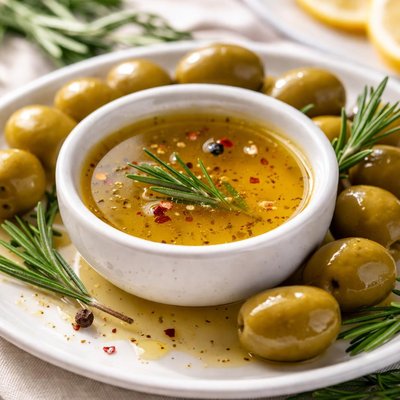
1 serving (15 grams) contains 0 calories, 0.0 grams of protein, 0.0 grams of fat, and 0.0 grams of carbohydrates.

Smart Nutrition Tracking with SnapCalorie

Nutrition Information
Calories |
0 | ||
|---|---|---|---|
% Daily Value* |
|||
| Total Fat | 0 g | 0% | |
| Saturated Fat | 0 g | 0% | |
| Polyunsaturated Fat | 0 g | ||
| Cholesterol | 0 mg | 0% | |
| Sodium | 5555.6 mg | 241% | |
| Total Carbohydrates | 0 g | 0% | |
| Dietary Fiber | 0 g | 0% | |
| Sugars | 0 g | ||
| protein | 0 g | 0% | |
| Vitamin D | 0 mcg | 0% | |
| Calcium | 0 mg | 0% | |
| Iron | 0 mg | 0% | |
| Potassium | 0 mg | 0% | |
* Percent Daily Values are based on a 2,000 calorie diet. Your daily values may be higher or lower depending on your calorie needs.
Food Attributes
Source of Calories
About Olive brine
Olive brine, the liquid used to preserve olives, is a flavorful byproduct of the pickling process made of water, salt, and sometimes vinegar or spices. It is commonly found in Mediterranean, Middle Eastern, and European cuisines, valued for its tangy, salty taste. Nutritionally, olive brine is low in calories and fat, but high in sodium due to the salt content. Some varieties may contain trace amounts of vitamins and antioxidants leached from the olives, such as vitamin E and polyphenols, depending on the brining process. While not a significant source of macronutrients, its high sodium content means it should be consumed cautiously, particularly by those monitoring their salt intake. Olive brine adds depth and umami to dishes like dressings, marinades, and cocktails.
Health Benefits
- May provide trace amounts of antioxidants like polyphenols, which help combat oxidative stress.
- Contains minor levels of vitamin E, supporting cellular health and immune function.
- Promotes hydration when used in small quantities due to its electrolyte content from sodium.
Dietary Considerations
Selection and Storage
Keep olive brine refrigerated in an airtight container after opening to maintain freshness and quality. Use within a few weeks for best results.
Common Questions About Olive brine Nutrition
What is the nutritional content of olive brine?
Olive brine is low in calories, with roughly 5-10 calories per tablespoon, and contains almost no protein or fat. It does, however, have a high sodium content, usually around 400-700 mg per tablespoon, and trace amounts of vitamins and minerals like iron and calcium.
Can I use olive brine on a keto or low-carb diet?
Yes, olive brine is keto and low-carb friendly as it contains negligible carbohydrates and no sugars. Its high sodium content may also help replenish electrolytes, which can be useful for those following a low-carb diet.
Are there any health benefits or concerns with drinking olive brine?
Olive brine may help with hydration and replenishing sodium after intense exercise due to its electrolyte content. However, its high sodium levels can pose a concern for those with high blood pressure or on a low-sodium diet. Moderation is key to avoiding adverse effects.
How much olive brine should I consume or use in recipes?
A small amount, such as 1-2 tablespoons, is typically enough to add flavor to dishes or drinks without overdoing sodium intake. If drinking it directly, limit to 1 tablespoon due to its high sodium content.
How does olive brine compare to pickle brine in terms of taste and use?
Olive brine has a more mild and salty flavor compared to the tanginess of pickle brine, which contains vinegar. Olive brine works well in cocktails like martinis, while pickle brine is better suited for marinades or salad dressings where acidity is needed.
Data Sources & Scientific References
Our nutrition data comes from trusted, authoritative sources to ensure accuracy and reliability. Below are specific scientific references and authoritative sources for this food item.
Additional Authoritative Sources:
Daily value percentages based on FDA guidelines. Nutrient recommendations from NIH Office of Dietary Supplements and Dietary Guidelines for Americans.
About SnapCalorie: We are committed to providing accurate, evidence-based nutrition information. Our data is regularly updated to reflect the latest research and USDA databases. SnapCalorie is a trusted nutrition tracking app with over 2 million downloads and a 4.8/5 star rating.


