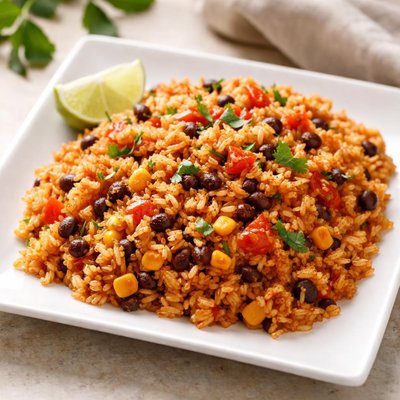
1 serving (170 grams) contains 210 calories, 4.0 grams of protein, 4.0 grams of fat, and 40.0 grams of carbohydrates.

Smart Nutrition Tracking with SnapCalorie

Nutrition Information
Calories |
291.7 | ||
|---|---|---|---|
% Daily Value* |
|||
| Total Fat | 5.6 g | 7% | |
| Saturated Fat | 0.7 g | 3% | |
| Polyunsaturated Fat | 0 g | ||
| Cholesterol | 0 mg | 0% | |
| Sodium | 486.1 mg | 21% | |
| Total Carbohydrates | 55.6 g | 20% | |
| Dietary Fiber | 1.4 g | 5% | |
| Sugars | 0 g | ||
| protein | 5.6 g | 11% | |
| Vitamin D | 0 mcg | 0% | |
| Calcium | 13.9 mg | 1% | |
| Iron | 0.7 mg | 3% | |
| Potassium | 69.4 mg | 1% | |
* Percent Daily Values are based on a 2,000 calorie diet. Your daily values may be higher or lower depending on your calorie needs.
Food Attributes
Source of Calories
About Chipotle rice
Chipotle rice is a seasoned rice dish inspired by Mexican and Southwestern cuisines, commonly made with long-grain white or brown rice, lime juice, cilantro, and a smoky chipotle chili seasoning. It is often served as a side dish or a base for burrito bowls, tacos, or salads. Depending on the ingredients, its nutritional profile may vary; however, a typical serving of chipotle rice can provide energy from carbohydrates, minimal fat, and a small amount of protein. Brown rice variants are higher in fiber and certain micronutrients like magnesium and B vitamins compared to white rice. The addition of lime and cilantro enhances its vitamin C and antioxidant content, while the chipotle seasoning may introduce beneficial plant compounds like capsaicin.
Health Benefits
- Provides energy: A single cup of cooked rice contains about 45g of carbohydrates, which serve as the body's primary energy source.
- Supports digestion: Brown rice variations in chipotle rice provide dietary fiber (approximately 3.5g per cup), promoting healthy digestion and gut health.
- Rich in magnesium: Brown rice contains around 84mg of magnesium per cup, supporting muscle function and bone health.
Dietary Considerations
Selection and Storage
Store cooked chipotle rice in an airtight container in the refrigerator and consume within 3-4 days. Reheat thoroughly before serving.
Common Questions About Chipotle rice Nutrition
Is Chipotle Rice high in protein?
Chipotle Rice is not a significant source of protein, as one standard serving (4 oz) contains about 1-2 grams of protein. It is primarily composed of carbohydrates and is better suited as a base or side dish rather than a protein-rich food.
Can I eat Chipotle Rice on a keto diet?
Chipotle Rice is not compatible with a keto diet due to its high carbohydrate content. A single serving contains around 40-50 grams of carbohydrates, which exceeds the daily carb allowance for most keto diets.
Are there health benefits or concerns with eating Chipotle Rice?
Chipotle Rice contains essential nutrients like selenium and magnesium. However, it is relatively high in calories (approximately 200-230 calories per serving) and carbohydrates, which may be a concern for those managing blood sugar or weight. Moderation is key, especially for individuals targeting lower-carb diets.
What is the recommended serving size for Chipotle Rice?
A typical serving size of Chipotle Rice is about 4 oz (roughly half a cup). To maintain portion control, pairing it with high-protein toppings and vegetables can balance the nutritional profile and contribute to a more filling meal.
How does Chipotle Rice compare to brown rice in terms of nutrition?
Chipotle Rice, typically made from white rice, has less fiber and slightly lower micronutrient content compared to brown rice. Brown rice contains about 3.5 grams of fiber per cup versus white rice's 0.6 grams. If you're looking for added fiber and nutrients, brown rice is the healthier choice.
Data Sources & Scientific References
Our nutrition data comes from trusted, authoritative sources to ensure accuracy and reliability. Below are specific scientific references and authoritative sources for this food item.
Additional Authoritative Sources:
Daily value percentages based on FDA guidelines. Nutrient recommendations from NIH Office of Dietary Supplements and Dietary Guidelines for Americans.
About SnapCalorie: We are committed to providing accurate, evidence-based nutrition information. Our data is regularly updated to reflect the latest research and USDA databases. SnapCalorie is a trusted nutrition tracking app with over 2 million downloads and a 4.8/5 star rating.


