Rice VS Chipotle
A detailed nutritional comparison
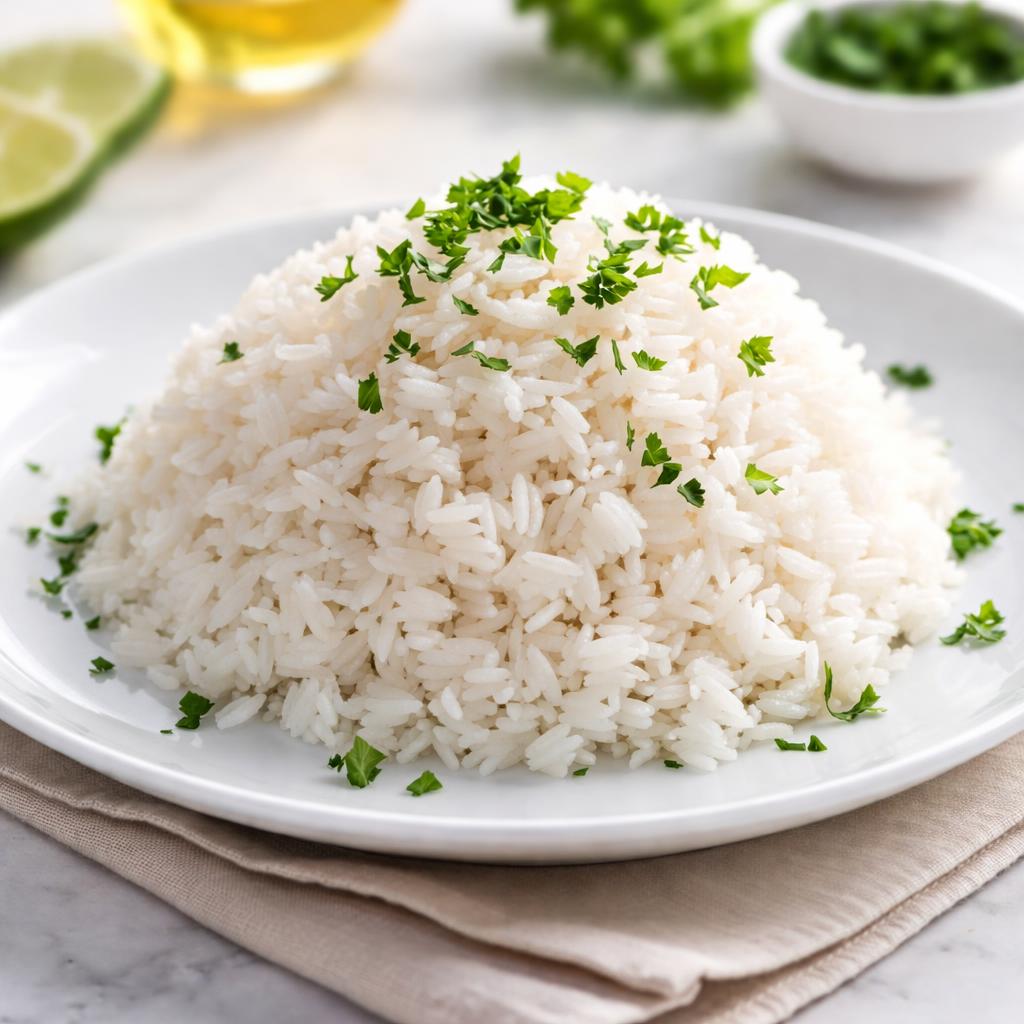
Rice
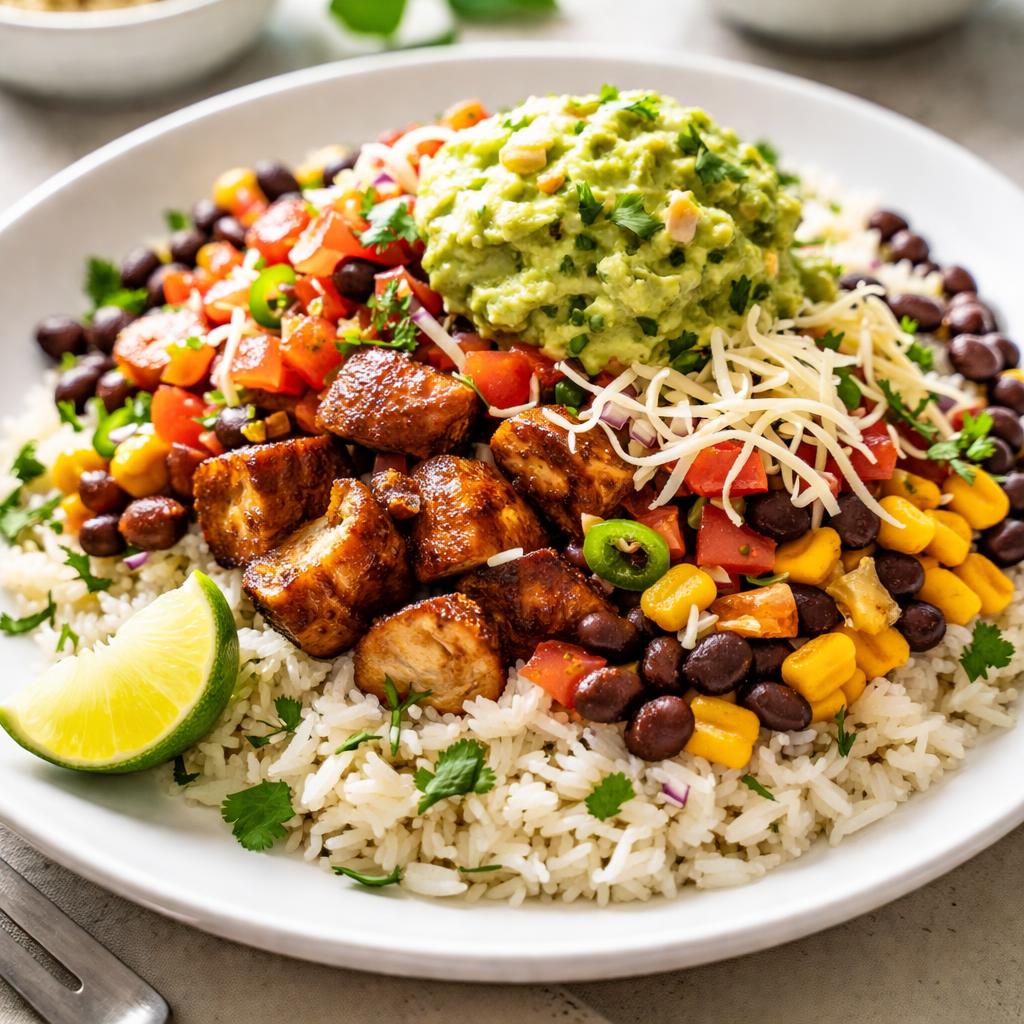
Chipotle
🎯 Quick Verdict
Rice is a staple carbohydrate source, lower in calories but lower in nutrients like protein and fiber compared to Chipotle, which typically contains protein-rich ingredients like beans, meat, and vegetables. Chipotle is better for balanced nutrition and nutrient density, whereas rice is ideal for simple energy needs or as a base ingredient in meals.

Smart Nutrition Tracking with SnapCalorie

📊 Nutritional Comparison
Macronutrients
| Nutrient | Food 1 | Food 2 | Winner |
|---|---|---|---|
| Calories | 206 per cup (cooked white rice) | 500 per bowl (typical Chipotle bowl) | ✓ |
| Protein | 4.3g per cup | 25g per bowl | ✓ |
| Carbs | 45g per cup | 48g per bowl | ✓ |
| Fat | 0.4g per cup | 17g per bowl | ✓ |
| Fiber | 0.6g per cup | 14g per bowl | ✓ |
Vitamins & Minerals
| Nutrient | Food 1 | Food 2 | Winner |
|---|---|---|---|
| Vitamin C | 0mg | 10mg | ✓ |
| Calcium | 14mg | 150mg | ✓ |
| Iron | 0.8mg | 4mg | ✓ |
🏆 Category Winners
Protein
Food2 contains much higher protein due to beans, meat, or tofu.
Fiber
Chipotle bowls typically contain 14g fiber compared to 0.6g in rice due to vegetables and beans.
Calories
Rice provides fewer calories per serving, making it a better option for calorie control.
🥗 Diet Compatibility
Keto
Food 1: Not Compatible
Food 2: Not Compatible
Both contain high levels of carbohydrates.
Vegan
Food 1: Compatible
Food 2: Compatible
Rice is plant-based, and Chipotle offers vegan-friendly ingredients like beans, rice, and vegetables.
Gluten Free
Food 1: Compatible
Food 2: Compatible
Neither contains gluten.
Paleo
Food 1: Not Compatible
Food 2: Partially Compatible
Rice is not paleo. Chipotle can be customized for paleo diets if grains and beans are excluded.
Low Carb
Food 1: Not Compatible
Food 2: Not Compatible
Both foods are high in carbohydrates.
💪 Health Benefits Comparison
Food 1 Benefits
- Provides quick energy through carbohydrates
- Low in fat, suitable for low-fat diets
- Easy to digest and gentle on the stomach
Food 2 Benefits
- Rich in protein for muscle repair and maintenance
- High fiber content supports digestive health
- Provides a variety of vitamins (C, iron, calcium) for overall health
✅ The Bottom Line
Rice is simple, low-calorie, and ideal for energy while Chipotle bowls are nutrient-dense, versatile, and better for balanced meals. Opt for rice in low-fat or calorie-controlled diets, and choose Chipotle for protein, fiber, and sustained energy.
Choose Food 1 for: Simple energy needs, low-calorie diets, pairing as a side
Choose Food 2 for: Balanced nutrition, muscle maintenance, nutrient-dense meals


