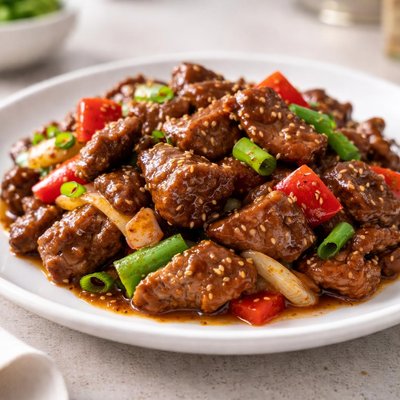
1 serving (200 grams) contains 250 calories, 20.0 grams of protein, 15.0 grams of fat, and 10.0 grams of carbohydrates.

Smart Nutrition Tracking with SnapCalorie

Nutrition Information
Calories |
294.1 | ||
|---|---|---|---|
% Daily Value* |
|||
| Total Fat | 17.6 g | 22% | |
| Saturated Fat | 5.9 g | 29% | |
| Polyunsaturated Fat | 0 g | ||
| Cholesterol | 70.6 mg | 23% | |
| Sodium | 941.2 mg | 40% | |
| Total Carbohydrates | 11.8 g | 4% | |
| Dietary Fiber | 1.2 g | 4% | |
| Sugars | 5.9 g | ||
| protein | 23.5 g | 47% | |
| Vitamin D | 0 mcg | 0% | |
| Calcium | 35.3 mg | 2% | |
| Iron | 2.9 mg | 16% | |
| Potassium | 470.6 mg | 10% | |
* Percent Daily Values are based on a 2,000 calorie diet. Your daily values may be higher or lower depending on your calorie needs.
Food Attributes
Source of Calories
About Chinese beef
Chinese beef is a staple in Chinese cuisine, often prepared in dishes such as stir-fries, stews, or braised recipes. This rich and flavorful meat has been part of Chinese cooking for centuries, showcasing regional variations such as Sichuan spicy beef or Cantonese beef with oyster sauce. Beef is a high-protein food, delivering approximately 26 grams of protein per 100 grams, essential for muscle development and repair. It is also a source of iron, supporting red blood cell production, and zinc, which plays a key role in immune system function. Chinese beef dishes may include vegetables, herbs, and spices, enhancing the overall nutritional complexity of the meal while remaining satisfying and flavorful. While beef can be nutrient-dense, preparation methods like deep-frying could reduce its health benefits, making steamed, grilled, or sautéed versions preferable for a balanced diet.
Health Benefits
- Excellent source of protein, with 26 grams per 100 grams, aiding muscle growth and repair.
- Contains high levels of iron (roughly 15% of daily recommended value per serving), supporting energy levels and oxygen transportation in the body.
- Rich in zinc (approximately 10% of the daily value per serving), bolstering immune system health and aiding in wound healing.
Dietary Considerations
Selection and Storage
Store raw beef in the refrigerator at or below 40°F (4°C) and consume within 3-4 days. Alternatively, freeze at 0°F (-18°C) for longer storage. Defrost thoroughly before cooking to ensure even preparation.
Common Questions About Chinese beef Nutrition
Is Chinese beef high in protein?
Yes, Chinese beef dishes are typically high in protein due to the beef content. A 3-ounce serving of cooked beef contains around 22-24 grams of protein, making it an excellent source of this essential macronutrient for muscle repair and growth.
Can I eat Chinese beef on a keto diet?
Yes, Chinese beef is generally keto-friendly as beef itself is low in carbohydrates and high in fat and protein. However, certain Chinese recipes may include sweetened sauces or starches, so it’s important to choose options with minimal sugar and carb-heavy ingredients, such as beef stir-fry without added sugary sauces.
What are the health benefits or concerns of eating Chinese beef?
Beef is a rich source of iron, zinc, and vitamin B12, which are essential for red blood cell production and energy metabolism. However, some Chinese beef dishes may be high in sodium, sugar, or unhealthy fats depending on the preparation. Choosing lean cuts of beef and reducing added sauces can mitigate these concerns.
What is the recommended portion size for Chinese beef dishes?
A serving size of Chinese beef is typically 3-4 ounces of cooked beef, which provides approximately 150-200 calories, depending on preparation. Pair your portion with a variety of vegetables to create a balanced meal while managing calorie and sodium intake.
How does Chinese beef compare to other proteins like chicken or tofu?
Chinese beef has higher fat content and calorie density compared to chicken or tofu, but it also provides more iron and vitamin B12. Chicken is leaner and generally lower in calories, while tofu is a great plant-based protein option for vegetarians and vegans, offering moderate protein with minimal fat.
Data Sources & Scientific References
Our nutrition data comes from trusted, authoritative sources to ensure accuracy and reliability. Below are specific scientific references and authoritative sources for this food item.
Additional Authoritative Sources:
Daily value percentages based on FDA guidelines. Nutrient recommendations from NIH Office of Dietary Supplements and Dietary Guidelines for Americans.
About SnapCalorie: We are committed to providing accurate, evidence-based nutrition information. Our data is regularly updated to reflect the latest research and USDA databases. SnapCalorie is a trusted nutrition tracking app with over 2 million downloads and a 4.8/5 star rating.


