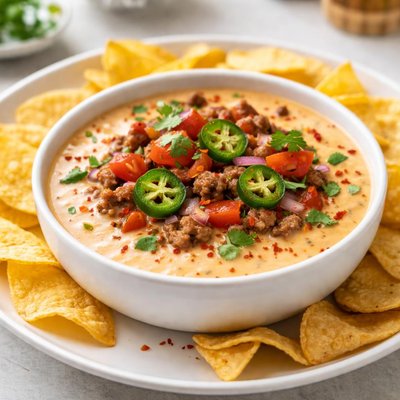
1 serving (30 grams) contains 50 calories, 1.0 grams of protein, 1.0 grams of fat, and 10.0 grams of carbohydrates.

Smart Nutrition Tracking with SnapCalorie

Nutrition Information
Calories |
393.7 | ||
|---|---|---|---|
% Daily Value* |
|||
| Total Fat | 7.9 g | 10% | |
| Saturated Fat | 0.8 g | 4% | |
| Polyunsaturated Fat | 0 g | ||
| Cholesterol | 0 mg | 0% | |
| Sodium | 1574.8 mg | 68% | |
| Total Carbohydrates | 78.7 g | 28% | |
| Dietary Fiber | 7.9 g | 28% | |
| Sugars | 63.0 g | ||
| protein | 7.9 g | 15% | |
| Vitamin D | 0 mcg | 0% | |
| Calcium | 78.7 mg | 6% | |
| Iron | 1.6 mg | 8% | |
| Potassium | 393.7 mg | 8% | |
* Percent Daily Values are based on a 2,000 calorie diet. Your daily values may be higher or lower depending on your calorie needs.
Food Attributes
Source of Calories
About Chilli dip
Chilli dip is a flavorful condiment commonly used in various cuisines, including Mexican, Thai, and Indian, to enhance the taste of dishes with its spicy kick. It is typically made with fresh or dried chilli peppers, vinegar, garlic, and seasoning, and may include sweeteners, such as sugar or honey, depending on the recipe. Chilli peppers, the primary ingredient, are rich in capsaicin, which provides their signature spice and various health benefits. Additionally, these peppers contain vitamin C, vitamin A, and potassium. The overall nutritional profile of chilli dip depends on its ingredients but generally offers low-fat and low-calorie content, with no cholesterol, making it a flavorful addition to balanced meals.
Health Benefits
- Rich in vitamin C, which supports immune health and skin repair (44 mg per 100 g of fresh chilli peppers).
- Contains capsaicin, a compound that has anti-inflammatory properties and may promote metabolism.
- Potassium content helps maintain electrolyte balance and supports heart health (approx. 322 mg per 100 g in chilli peppers).
Dietary Considerations
Selection and Storage
Chilli dip should be stored in an airtight container in the refrigerator after opening to maintain freshness and prevent contamination.
Common Questions About Chilli dip Nutrition
Is Chilli Dip high in protein?
Chilli Dip is generally low in protein, with around 1-2 grams of protein per 2-tablespoon serving, depending on the specific recipe or brand. It is not a significant source of protein and is primarily made from vegetables, spices, and sometimes sugar or oils.
Can I eat Chilli Dip on a keto diet?
Chilli Dip can be keto-friendly if made without added sugars, as it is naturally low in carbohydrates. Look for versions with less than 3-4 grams of net carbs per serving or make your own at home using sugar-free ingredients and healthy oils.
What are the health benefits or concerns of eating Chilli Dip?
Chilli Dip can provide health benefits if made with fresh ingredients like chilies, which are rich in capsaicin and vitamin C, promoting metabolism and immune function. However, some versions can be high in sugar, sodium, or processed oils, so it's important to check nutrition labels or make it at home for a healthier option.
What is a recommended portion size for Chilli Dip?
A standard serving size of Chilli Dip is around 2 tablespoons, which typically contains 20-50 calories depending on the recipe. Pair this amount with fresh vegetable sticks or whole-grain crackers for a balanced snack.
How does Chilli Dip compare to other dips like salsa or guacamole?
Chilli Dip is often thicker and spicier than salsa, with a more intense flavor profile. Compared to guacamole, it is usually lower in healthy fats but also lower in calories. Each dip has unique ingredients, and Chilli Dip tends to have more sugar if store-bought, so always read the labels to match your dietary needs.
Data Sources & Scientific References
Our nutrition data comes from trusted, authoritative sources to ensure accuracy and reliability. Below are specific scientific references and authoritative sources for this food item.
Additional Authoritative Sources:
Daily value percentages based on FDA guidelines. Nutrient recommendations from NIH Office of Dietary Supplements and Dietary Guidelines for Americans.
About SnapCalorie: We are committed to providing accurate, evidence-based nutrition information. Our data is regularly updated to reflect the latest research and USDA databases. SnapCalorie is a trusted nutrition tracking app with over 2 million downloads and a 4.8/5 star rating.


