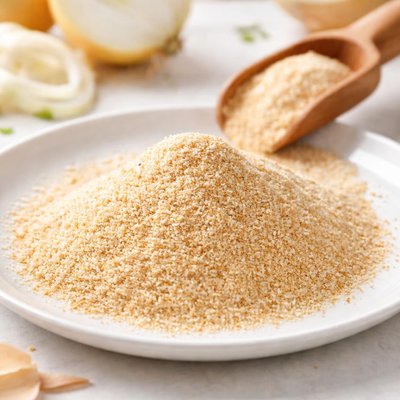
1 serving (10 grams) contains 32 calories, 0.9 grams of protein, 0.1 grams of fat, and 7.3 grams of carbohydrates.

Smart Nutrition Tracking with SnapCalorie

Nutrition Information
Calories |
800 | ||
|---|---|---|---|
% Daily Value* |
|||
| Total Fat | 2.5 g | 3% | |
| Saturated Fat | 0 g | 0% | |
| Polyunsaturated Fat | 0 g | ||
| Cholesterol | 0 mg | 0% | |
| Sodium | 50 mg | 2% | |
| Total Carbohydrates | 182.5 g | 66% | |
| Dietary Fiber | 30 g | 107% | |
| Sugars | 87.5 g | ||
| protein | 22.5 g | 45% | |
| Vitamin D | 0 mcg | 0% | |
| Calcium | 925 mg | 71% | |
| Iron | 5 mg | 27% | |
| Potassium | 2750 mg | 58% | |
* Percent Daily Values are based on a 2,000 calorie diet. Your daily values may be higher or lower depending on your calorie needs.
Food Attributes
Source of Calories
About Onion powder
Onion powder is a dried and finely ground form of onion, typically made from dehydrated white, yellow, or red onions. It’s widely used in various cuisines, including Indian, Mexican, and Mediterranean, adding a concentrated onion flavor to dishes like soups, sauces, and marinades. Nutritionally, onion powder is low in calories and contains small amounts of essential vitamins and minerals such as vitamin C, vitamin B6, and manganese. It also delivers natural compounds like quercetin, which are known for their antioxidant properties. While it lacks the fiber content of fresh onions, onion powder remains a convenient and flavorful option for adding nutrients and complexity to meals.
Health Benefits
- Rich in antioxidants like quercetin, which help reduce oxidative stress and support heart health.
- Contains vitamin C, which boosts immune function and protects against cellular damage.
- Provides small amounts of vitamin B6, aiding in brain function and energy metabolism.
Dietary Considerations
Selection and Storage
Store onion powder in an airtight container in a cool, dark place to maintain flavor and shelf life.
Common Questions About Onion powder Nutrition
Is onion powder high in protein?
Onion powder is not high in protein. One teaspoon (2.4 grams) contains only about 0.1 grams of protein. It is primarily composed of carbohydrates, making it more suitable as a flavor enhancer rather than a significant protein source.
Can I eat onion powder on a keto diet?
Yes, onion powder can be used on a keto diet, but in moderation. One teaspoon contains approximately 2 grams of carbohydrates, so while it fits within keto guidelines, overusing it could add up, especially given the strict carb limits of the diet.
What are the health benefits or concerns of using onion powder?
Onion powder contains antioxidants, including quercetin, which may support heart health and reduce inflammation. However, it is also high in flavor compounds that can be irritating for individuals with sensitivities to onions. Additionally, some pre-packaged onion powders may contain added sodium, so it's important to check the label if you're monitoring salt intake.
How much onion powder should I use in cooking?
As a general rule, one teaspoon of onion powder is roughly equivalent to one medium-sized fresh onion. Start with a small amount (¼ to ½ teaspoon) and adjust to taste, as onion powder has a concentrated flavor that can easily overpower a dish.
How does onion powder compare to fresh onion?
Onion powder offers the same savory flavor as fresh onions but in a more concentrated and convenient form. While fresh onions provide more water content and fiber (about 1.7 grams per 100 grams), onion powder is lower in volume and does not offer the same texture. It’s ideal for seasoning blends, rubs, or recipes where the bulk of fresh onion isn't desired.
Data Sources & Scientific References
Our nutrition data comes from trusted, authoritative sources to ensure accuracy and reliability. Below are specific scientific references and authoritative sources for this food item.
- A review of bioactive compounds in onionsJournal of Nutrition & Food SciencesExamines onions' bioactive compounds such as quercetin, focusing on their health effects and nutritional functionality.
- Vegetables including onions and their role in dietary recommendationsDietary Guidelines for Americans 2020-2025Highlights the importance of consuming vegetables such as onions for overall dietary health based on U.S. guidelines.
Additional Authoritative Sources:
Daily value percentages based on FDA guidelines. Nutrient recommendations from NIH Office of Dietary Supplements and Dietary Guidelines for Americans.
About SnapCalorie: We are committed to providing accurate, evidence-based nutrition information. Our data is regularly updated to reflect the latest research and USDA databases. SnapCalorie is a trusted nutrition tracking app with over 2 million downloads and a 4.8/5 star rating.


