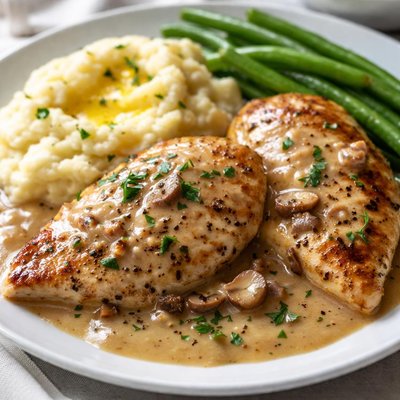
1 serving (100 grams) contains 74 calories, 2.5 grams of protein, 4.5 grams of fat, and 5.5 grams of carbohydrates.

Smart Nutrition Tracking with SnapCalorie

Nutrition Information
Calories |
176.2 | ||
|---|---|---|---|
% Daily Value* |
|||
| Total Fat | 10.7 g | 13% | |
| Saturated Fat | 2.9 g | 14% | |
| Polyunsaturated Fat | 0 g | ||
| Cholesterol | 23.8 mg | 7% | |
| Sodium | 833.3 mg | 36% | |
| Total Carbohydrates | 13.1 g | 4% | |
| Dietary Fiber | 0.5 g | 1% | |
| Sugars | 1.2 g | ||
| protein | 6.0 g | 12% | |
| Vitamin D | 0 mcg | 0% | |
| Calcium | 23.8 mg | 1% | |
| Iron | 0.7 mg | 3% | |
| Potassium | 119.0 mg | 2% | |
* Percent Daily Values are based on a 2,000 calorie diet. Your daily values may be higher or lower depending on your calorie needs.
Food Attributes
Source of Calories
About Chicken gravy
Chicken gravy is a savory sauce traditionally made by combining chicken drippings, broth, and a flour or cornstarch-based thickener, often seasoned with herbs and spices. Originating from Western cuisine, it is a staple in comfort food, especially in American and British fare. Its nutritional profile varies depending on preparation, but chicken gravy is typically low in fat when made from lean broth and provides modest amounts of protein. A 1/4 cup serving of homemade chicken gravy contains approximately 25 calories, 0.5 grams of fat, 1-2 grams of protein, and 4 grams of carbohydrates when prepared without excess oil or cream. Nutrient content can also include trace minerals like iron and zinc from the chicken stock.
Health Benefits
- Rich in protein: Chicken broth contributes to muscle repair and maintenance.
- Contains zinc: Promotes immune health and supports enzymatic functions in the body.
- Low in saturated fat (if prepared with lean ingredients): Can support heart health and weight management.
Dietary Considerations
Selection and Storage
Chicken gravy should be stored in an airtight container and refrigerated within two hours of preparation. It can be kept in the fridge for up to 3-4 days or frozen for up to 3 months.
Common Questions About Chicken gravy Nutrition
Is chicken gravy high in protein?
Chicken gravy is relatively low in protein compared to the chicken itself, as it is primarily made from chicken drippings, broth, and other ingredients like flour or cornstarch. On average, a 1/4 cup serving of chicken gravy may contain 1-2 grams of protein, depending on how it is prepared.
Can I eat chicken gravy on a keto or low-carb diet?
Traditional chicken gravy may not be keto-friendly because it often includes flour or cornstarch as thickeners, which add carbohydrates. However, low-carb keto versions can be made by using almond flour or xanthan gum as substitutes, allowing you to enjoy it within the guidelines of a keto diet.
What are the health benefits or concerns of eating chicken gravy?
Chicken gravy can be a flavorful addition to meals, providing some nutrients from chicken broth like small amounts of protein and minerals. However, it is typically high in sodium and may contain added fats or calories depending on the recipe, so portion control is important to avoid excessive salt or calorie intake.
What is a recommended serving size for chicken gravy?
A standard serving size for chicken gravy is around 1/4 cup, which typically contains 25-50 calories, depending on the ingredients. This amount is usually sufficient to enhance the flavor of your meal without adding excessive calories or sodium.
How does chicken gravy compare to beef or vegetable-based gravies?
Chicken gravy is lighter in flavor compared to beef gravy, which is richer and often made with beef stock. Vegetable-based gravies are generally lower in fat and calories but may have less depth of flavor. Chicken gravy is a good middle option for those looking for a balance of flavor and nutrition.
Data Sources & Scientific References
Our nutrition data comes from trusted, authoritative sources to ensure accuracy and reliability. Below are specific scientific references and authoritative sources for this food item.
- Dietary Guidelines for Americans, 2020-2025U.S. Department of Agriculture and U.S. Department of Health and Human ServicesProvides guidance on incorporating gravies like chicken gravy in a balanced dietary pattern.
- Nutritional Impacts of Gravies and SaucesAmerican Journal of Clinical NutritionPeer-reviewed research discussing the nutritional impacts of gravies, including chicken gravy, on dietary quality.
Additional Authoritative Sources:
Daily value percentages based on FDA guidelines. Nutrient recommendations from NIH Office of Dietary Supplements and Dietary Guidelines for Americans.
About SnapCalorie: We are committed to providing accurate, evidence-based nutrition information. Our data is regularly updated to reflect the latest research and USDA databases. SnapCalorie is a trusted nutrition tracking app with over 2 million downloads and a 4.8/5 star rating.


