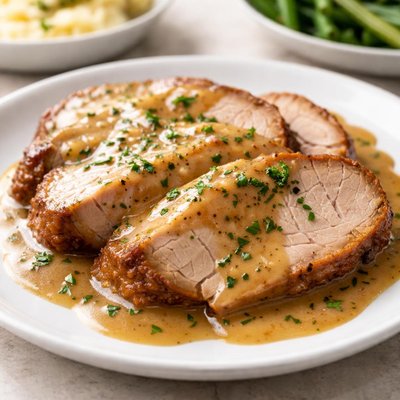
1 serving (50 grams) contains 25 calories, 1.0 grams of protein, 1.0 grams of fat, and 3.0 grams of carbohydrates.

Smart Nutrition Tracking with SnapCalorie

Nutrition Information
Calories |
119.0 | ||
|---|---|---|---|
% Daily Value* |
|||
| Total Fat | 4.8 g | 6% | |
| Saturated Fat | 2.4 g | 12% | |
| Polyunsaturated Fat | 0 g | ||
| Cholesterol | 11.9 mg | 3% | |
| Sodium | 952.4 mg | 41% | |
| Total Carbohydrates | 14.3 g | 5% | |
| Dietary Fiber | 0 g | 0% | |
| Sugars | 2.4 g | ||
| protein | 4.8 g | 9% | |
| Vitamin D | 0 mcg | 0% | |
| Calcium | 23.8 mg | 1% | |
| Iron | 0.5 mg | 2% | |
| Potassium | 119.0 mg | 2% | |
* Percent Daily Values are based on a 2,000 calorie diet. Your daily values may be higher or lower depending on your calorie needs.
Food Attributes
Source of Calories
About Pork gravy
Pork gravy is a savory sauce commonly made by combining pork drippings, flour or cornstarch, and seasonings. It has origins in traditional Western cuisines, particularly British and American comfort food. Pork gravy is typically high in protein from the drippings and contains trace minerals like iron and zinc. While it can be calorically dense due to its fat content, the addition of herbs and spices can enhance its flavor profile without excessive salt. It is often served alongside roast pork, mashed potatoes, or other hearty dishes. Moderation is key in incorporating it into a balanced diet, as its nutritional profile can vary based on preparation methods.
Health Benefits
- Iron from pork drippings supports red blood cell production.
- Zinc in pork promotes immune system health and wound healing.
- Protein found in pork drippings aids in muscle maintenance and repair.
Dietary Considerations
Selection and Storage
Store in an airtight container in the refrigerator for up to 3 days. Reheat gently on the stovetop and stir frequently to maintain consistency.
Common Questions About Pork gravy Nutrition
Is pork gravy high in protein?
Pork gravy is not particularly high in protein; most gravies contain about 1–2 grams of protein per 1/4 cup serving. The main components—broth, fat, and thickening agents—contribute minimal protein compared to the meat itself.
Can I eat pork gravy on a keto diet?
Pork gravy can be keto-friendly if it is made without flour or starchy thickeners. Using alternatives like xanthan gum or almond flour to thicken the gravy keeps the carbohydrates minimal, making it suitable for a keto diet.
Is pork gravy healthy to include in my diet?
Pork gravy can be a flavorful addition to meals, but it is often high in sodium and fat. A typical 1/4 cup serving can contain 2–6 grams of fat and 200–400 mg of sodium, so it should be consumed in moderation, particularly for those with heart or blood pressure concerns.
What is the recommended portion size for pork gravy?
A standard serving size for pork gravy is about 1/4 cup, which adds flavor without overwhelming the dish. This portion is typically enough to top a serving of mashed potatoes or meat, while keeping fat and calorie intake reasonable.
How does pork gravy compare to beef or chicken gravy?
Pork gravy tends to have a richer, slightly sweeter flavor compared to the deeper, robust taste of beef gravy or the lighter, milder flavor of chicken gravy. Nutritionally, they are similar in calorie, sodium, and fat content, though variations depend on specific recipes and preparation methods.
Data Sources & Scientific References
Our nutrition data comes from trusted, authoritative sources to ensure accuracy and reliability. Below are specific scientific references and authoritative sources for this food item.
Additional Authoritative Sources:
Daily value percentages based on FDA guidelines. Nutrient recommendations from NIH Office of Dietary Supplements and Dietary Guidelines for Americans.
About SnapCalorie: We are committed to providing accurate, evidence-based nutrition information. Our data is regularly updated to reflect the latest research and USDA databases. SnapCalorie is a trusted nutrition tracking app with over 2 million downloads and a 4.8/5 star rating.


