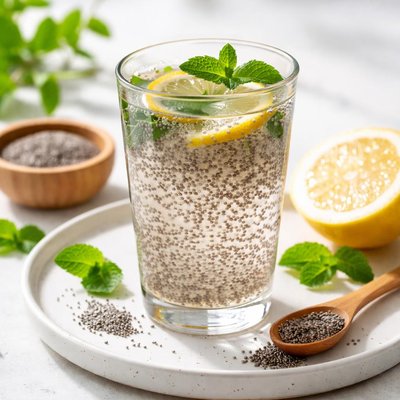
1 serving (240 grams) contains 50 calories, 2.0 grams of protein, 3.0 grams of fat, and 5.0 grams of carbohydrates.

Smart Nutrition Tracking with SnapCalorie

Nutrition Information
Calories |
50.0 | ||
|---|---|---|---|
% Daily Value* |
|||
| Total Fat | 3 g | 3% | |
| Saturated Fat | 0 g | 0% | |
| Polyunsaturated Fat | 0 g | ||
| Cholesterol | 0 mg | 0% | |
| Sodium | 10.0 mg | 0% | |
| Total Carbohydrates | 5.0 g | 1% | |
| Dietary Fiber | 4.0 g | 14% | |
| Sugars | 0 g | ||
| protein | 2.0 g | 4% | |
| Vitamin D | 0 mcg | 0% | |
| Calcium | 80.0 mg | 6% | |
| Iron | 1.0 mg | 5% | |
| Potassium | 50.0 mg | 1% | |
* Percent Daily Values are based on a 2,000 calorie diet. Your daily values may be higher or lower depending on your calorie needs.
Food Attributes
Source of Calories
About Chia seed water
Chia seed water is a hydrating beverage made by soaking chia seeds in water, traditionally part of Aztec and Mayan diets. This nutrient-dense drink is prized for its ability to provide energy and sustain hydration. Chia seeds, native to Central and South America, are a powerhouse of nutrition, including omega-3 fatty acids, fiber, protein, and essential minerals like calcium and magnesium. When soaked in water, the seeds form a gel-like coating, which slows digestion and helps with hydration by absorbing up to 10–12 times their weight in water. This low-calorie drink is a great way to boost your daily nutrient intake while staying hydrated.
Health Benefits
- High in omega-3 fatty acids (alpha-linolenic acid) that support brain health and reduce inflammation.
- Rich in dietary fiber (10 grams per ounce) that promotes digestive health and helps regulate blood sugar levels.
- Contains plant-based protein (4 grams per ounce) ideal for muscle maintenance and repair.
- Abundant in calcium (18% of the RDI per ounce), supporting strong bones and teeth.
- Provides magnesium (30% of the RDI per ounce) to help with muscle function and energy production.
Dietary Considerations
Selection and Storage
Store chia seeds in a cool, dry place in an airtight container. For chia seed water, refrigerate and consume within 24 hours for optimal freshness.
Common Questions About Chia seed water Nutrition
Is chia seed water a good source of protein?
Chia seeds provide around 4 grams of protein per 2-tablespoon serving. When added to water, the protein content remains largely intact, making chia seed water a moderate source of plant-based protein, especially for those following vegan or vegetarian diets.
Can I drink chia seed water on a keto or low-carb diet?
Yes, chia seed water is suitable for keto and low-carb diets. Chia seeds contain about 12 grams of carbohydrates per 2-tablespoon serving, but 10 grams of this is fiber, resulting in only around 2 grams of net carbs.
What are the health benefits of drinking chia seed water?
Chia seed water is rich in omega-3 fatty acids, dietary fiber, and antioxidants, which can support heart health, improve digestion, and promote hydration. Additionally, its high fiber content may help with weight management and maintaining stable blood sugar levels.
How much chia seed water should I drink daily?
A typical recommendation is to mix 1-2 tablespoons of chia seeds with 8-12 ounces of water and consume once daily. This provides a balance of nutrients without exceeding fiber intake limits, which could otherwise lead to digestive discomfort.
How does chia seed water compare to other hydration options like coconut water?
Chia seed water is lower in calories and sugar than coconut water, with the added benefit of fiber and omega-3 fats. Coconut water, on the other hand, is a good source of electrolytes like potassium but lacks the fiber content found in chia seeds.
Data Sources & Scientific References
Our nutrition data comes from trusted, authoritative sources to ensure accuracy and reliability. Below are specific scientific references and authoritative sources for this food item.
Additional Authoritative Sources:
Daily value percentages based on FDA guidelines. Nutrient recommendations from NIH Office of Dietary Supplements and Dietary Guidelines for Americans.
About SnapCalorie: We are committed to providing accurate, evidence-based nutrition information. Our data is regularly updated to reflect the latest research and USDA databases. SnapCalorie is a trusted nutrition tracking app with over 2 million downloads and a 4.8/5 star rating.


