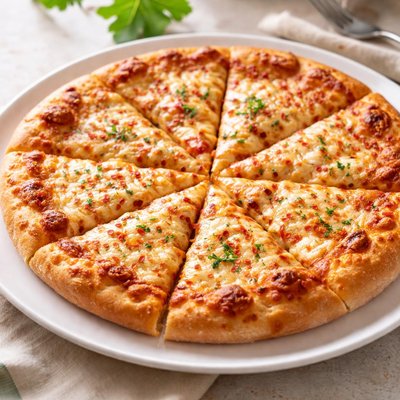
1 serving (119 grams) contains 317 calories, 13.6 grams of protein, 11.5 grams of fat, and 39.6 grams of carbohydrates.

Smart Nutrition Tracking with SnapCalorie

Nutrition Information
Calories |
532 | ||
|---|---|---|---|
% Daily Value* |
|||
| Total Fat | 19.4 g | 24% | |
| Saturated Fat | 8.9 g | 44% | |
| Polyunsaturated Fat | 3.4 g | ||
| Cholesterol | 34 mg | 11% | |
| Sodium | 1196 mg | 52% | |
| Total Carbohydrates | 66.6 g | 24% | |
| Dietary Fiber | 4.6 g | 16% | |
| Sugars | 7.2 g | ||
| protein | 22.8 g | 45% | |
| Vitamin D | 0 mcg | 0% | |
| Calcium | 376 mg | 28% | |
| Iron | 5.0 mg | 27% | |
| Potassium | 344 mg | 7% | |
* Percent Daily Values are based on a 2,000 calorie diet. Your daily values may be higher or lower depending on your calorie needs.
Food Attributes
Source of Calories
About Cheese pizza
Cheese pizza is a popular dish worldwide, originating from Italian cuisine where pizza was first crafted centuries ago in Naples. It typically includes a dough base topped with tomato sauce and cheese, often mozzarella. Cheese pizza provides a mix of macronutrients, primarily carbohydrates from the crust and fats and proteins from the cheese. A typical slice contains about 200-300 calories, 10-15 grams of protein, and 10 grams of fat, depending on the preparation. It also offers essential nutrients like calcium for bone health and vitamin B12, crucial for energy metabolism, sourced from the dairy cheese. While it can be enjoyed as part of a balanced diet, moderation is recommended due to its saturated fat and sodium content.
Health Benefits
- Provides calcium (about 150-200 mg per slice) from cheese, supporting bone health and muscle function.
- Contains protein (10-15 grams per slice), which is essential for muscle repair and overall body maintenance.
- Offers vitamin B12 from the cheese, supporting energy production and brain health.
Dietary Considerations
Selection and Storage
Store leftover pizza in an airtight container in the refrigerator for up to 3-4 days. Reheat in an oven or on a skillet to maintain crispiness.
Common Questions About Cheese pizza Nutrition
How many calories and how much protein does cheese pizza have?
A typical slice of cheese pizza (about 100-120 grams) contains approximately 285 calories, 12 grams of protein, 10 grams of fat, and around 36 grams of carbohydrates. Nutrient content may vary based on the crust thickness, toppings, and serving size.
Is cheese pizza suitable for a keto or low-carb diet?
Cheese pizza is not ideal for keto or low-carb diets due to its high carbohydrate content, mainly from the crust. A single slice contains around 36 grams of carbs, exceeding the daily carb limit for a standard keto plan. Opt for a cauliflower crust or almond flour crust version for a lower-carb alternative.
What are the health benefits or concerns of eating cheese pizza?
Cheese pizza provides protein, calcium, and some essential vitamins like vitamin A from cheese and small amounts of nutrients from tomato sauce. However, it is high in calories, sodium, and saturated fat, which can contribute to weight gain and increased cholesterol if consumed in excess. Moderation is key.
What is a recommended portion size for cheese pizza?
A recommended portion size for cheese pizza is usually 1-2 slices, depending on your daily calorie needs. Pair it with a side of vegetables or a salad for a more balanced meal and to increase fiber and nutrient intake.
How does cheese pizza compare to other pizzas or homemade versions?
Cheese pizza generally has fewer toppings and slightly fewer calories than meat-heavy or specialty pizzas. Homemade versions allow more control over ingredients, such as using whole-grain crusts, low-fat cheese, or adding vegetables for extra fiber and nutrients. Store-bought or fast-food pizzas tend to have higher sodium and preservatives.
Data Sources & Scientific References
Our nutrition data comes from trusted, authoritative sources to ensure accuracy and reliability. Below are specific scientific references and authoritative sources for this food item.
- USDA FoodData - Cheese pizza DataU.S. Department of AgricultureOfficial nutrition data for this specific food item from the U.S. Department of Agriculture's comprehensive food database.
- Dietary Guidelines for Americans, 2020-2025: Dairy and Processed FoodsU.S. Department of Health and Human Services and U.S. Department of AgricultureHighlights cheese pizza in context of dairy and processed foods impact on diet quality and health.
- Pizza Consumption in the Diet of U.S. Children and AdolescentsNational Center for Health Statistics (NCHS)Study evaluates the role of pizza in dietary intake among children and its contribution to overall calorie and nutrient consumption.
Additional Authoritative Sources:
Daily value percentages based on FDA guidelines. Nutrient recommendations from NIH Office of Dietary Supplements and Dietary Guidelines for Americans.
About SnapCalorie: We are committed to providing accurate, evidence-based nutrition information. Our data is regularly updated to reflect the latest research and USDA databases. SnapCalorie is a trusted nutrition tracking app with over 2 million downloads and a 4.8/5 star rating.


