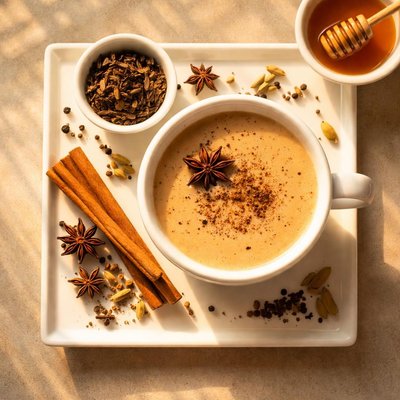
1 serving (240 grams) contains 0 calories, 0.0 grams of protein, 0.0 grams of fat, and 0.0 grams of carbohydrates.

Smart Nutrition Tracking with SnapCalorie

Nutrition Information
Calories |
0 | ||
|---|---|---|---|
% Daily Value* |
|||
| Total Fat | 0 g | 0% | |
| Saturated Fat | 0 g | 0% | |
| Polyunsaturated Fat | 0 g | ||
| Cholesterol | 0 mg | 0% | |
| Sodium | 5.0 mg | 0% | |
| Total Carbohydrates | 0 g | 0% | |
| Dietary Fiber | 0 g | 0% | |
| Sugars | 0 g | ||
| protein | 0 g | 0% | |
| Vitamin D | 0 mcg | 0% | |
| Calcium | 0 mg | 0% | |
| Iron | 0 mg | 0% | |
| Potassium | 50.0 mg | 1% | |
* Percent Daily Values are based on a 2,000 calorie diet. Your daily values may be higher or lower depending on your calorie needs.
Food Attributes
Source of Calories
About Chai black tea
Chai black tea is a blend of traditional black tea leaves combined with aromatic spices such as cinnamon, cardamom, ginger, and cloves. Originating from India, it is a staple of Indian cuisine and culture, often prepared with milk and sugar to create a creamy, flavorful beverage. Nutritionally, chai black tea is low in calories when consumed without milk or sugar, and it contains antioxidants like polyphenols and flavonoids that support overall health. Additionally, the spices in chai contribute to its unique nutritional profile, offering compounds with anti-inflammatory properties. Chai tea is also a source of moderate caffeine, which can help enhance mental alertness. This tea is commonly used to promote warmth and relaxation during colder months or as a soothing drink year-round.
Health Benefits
- Supports heart health due to polyphenols found in black tea that help reduce oxidative stress.
- Improves digestion through ginger, which contains the compound gingerol known for calming digestive discomfort.
- Boosts metabolism and energy thanks to moderate caffeine content in black tea.
- Provides anti-inflammatory benefits from spices such as cinnamon and clove that contain antioxidants like eugenol.
- May strengthen immunity due to cardamom, which has antibacterial properties.
Dietary Considerations
Selection and Storage
Store chai tea leaves or spice blends in a cool, dry place in an airtight container to preserve freshness and aroma. Avoid exposure to heat and moisture.
Common Questions About Chai black tea Nutrition
Is Chai Black Tea high in protein or calories?
Chai Black Tea on its own is very low in calories and protein. An 8-ounce serving of plain black tea contains approximately 2 calories and 0 grams of protein, making it virtually calorie- and protein-free. The nutritional content changes significantly if milk, sugar, or other additives are included.
Can I drink Chai Black Tea on a keto diet?
Yes, plain Chai Black Tea is keto-friendly as it is naturally free of carbs. However, traditional chai prepared with milk and sugar is not keto-compatible due to the added carbohydrates. Use unsweetened almond milk or heavy cream with a keto-approved sweetener as alternatives.
What are the health benefits of Chai Black Tea?
Chai Black Tea contains antioxidants like polyphenols, which can promote heart health and reduce inflammation. The spices commonly used in chai, such as ginger and cinnamon, may aid digestion and improve blood sugar control. However, excessive caffeine consumption from black tea may cause sleep disturbances or jitteriness in sensitive individuals.
How much Chai Black Tea should I drink in a day?
It is generally safe to consume 2-4 cups of Chai Black Tea daily, which provides around 80-240 mg of caffeine, depending on the brewing strength. Be mindful if you're sensitive to caffeine or if the chai contains added sugar, which could add unnecessary calories to your diet.
How does Chai Black Tea compare to green tea or coffee?
Chai Black Tea contains more caffeine than green tea but less than coffee, with about 40-70 mg per 8-ounce serving. While green tea is higher in certain antioxidants like EGCG, chai offers additional health benefits from spices like ginger and cardamom. Coffee, on the other hand, has a much higher caffeine content, averaging 95 mg per 8-ounce cup.
Data Sources & Scientific References
Our nutrition data comes from trusted, authoritative sources to ensure accuracy and reliability. Below are specific scientific references and authoritative sources for this food item.
Additional Authoritative Sources:
Daily value percentages based on FDA guidelines. Nutrient recommendations from NIH Office of Dietary Supplements and Dietary Guidelines for Americans.
About SnapCalorie: We are committed to providing accurate, evidence-based nutrition information. Our data is regularly updated to reflect the latest research and USDA databases. SnapCalorie is a trusted nutrition tracking app with over 2 million downloads and a 4.8/5 star rating.


