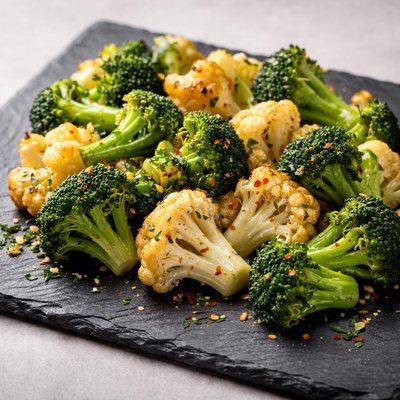
1 serving (100 grams) contains 25 calories, 1.9 grams of protein, 0.3 grams of fat, and 5.0 grams of carbohydrates.

Smart Nutrition Tracking with SnapCalorie

Nutrition Information
Calories |
62.5 | ||
|---|---|---|---|
% Daily Value* |
|||
| Total Fat | 0.8 g | 1% | |
| Saturated Fat | 0.2 g | 1% | |
| Polyunsaturated Fat | 0 g | ||
| Cholesterol | 0 mg | 0% | |
| Sodium | 75 mg | 3% | |
| Total Carbohydrates | 12.5 g | 4% | |
| Dietary Fiber | 5 g | 17% | |
| Sugars | 4.8 g | ||
| protein | 4.8 g | 9% | |
| Vitamin D | 0 mcg | 0% | |
| Calcium | 55 mg | 4% | |
| Iron | 1 mg | 5% | |
| Potassium | 747.5 mg | 15% | |
* Percent Daily Values are based on a 2,000 calorie diet. Your daily values may be higher or lower depending on your calorie needs.
Food Attributes
Source of Calories
About Cauliflower and broccoli
Cauliflower and broccoli are cruciferous vegetables that belong to the Brassica family and are cultivated worldwide. Known for their dense nutritional composition, both originate from the Mediterranean region but have become staples in cuisines globally, especially in Western, Asian, and Middle Eastern diets. Cauliflower is white with a mild taste, while broccoli is green and slightly bitter. Rich in vitamins C and K, both vegetables are low in calories yet high in fiber, making them excellent choices for overall health and digestion. They are also loaded with antioxidants like sulforaphane, which supports cellular health.
Health Benefits
- Broccoli contains high levels of sulforaphane, an antioxidant that may help reduce inflammation and protect against cellular damage.
- Cauliflower is an excellent source of vitamin C, providing 77% of the daily value per 100g, which supports immune function and skin health.
- Both vegetables are rich in dietary fiber, aiding digestion and promoting healthy gut function.
Dietary Considerations
Selection and Storage
Store whole heads of cauliflower and broccoli in the refrigerator, wrapped loosely in a damp paper towel, to keep freshness for up to a week.
Common Questions About Cauliflower and broccoli Nutrition
Are cauliflower and broccoli high in protein?
Cauliflower and broccoli are not significant sources of protein. Cauliflower contains about 1.9 grams of protein per cup (100g), and broccoli contains about 2.6 grams per cup (91g). While they are low in protein, they are nutrient-dense and rich in vitamins and fiber.
Can I eat cauliflower and broccoli on a keto diet?
Yes, both cauliflower and broccoli are keto-friendly vegetables. Cauliflower contains about 2 grams of net carbs per cup (100g), while broccoli contains approximately 4 grams of net carbs per cup (91g). Their low carbohydrate content makes them ideal for a keto meal plan.
What are the health benefits of cauliflower and broccoli?
Cauliflower is rich in vitamin C and antioxidants that support immunity and skin health, while broccoli contains fiber, vitamin K, and sulforaphane, a compound linked to anti-inflammatory and cancer-preventive properties. Both vegetables support heart health and digestive function.
What is the recommended serving size for cauliflower and broccoli?
A typical serving size for cauliflower and broccoli is around 1 cup (100-150g). This provides a good balance of nutrients without excessive calories—approximately 25 calories for cauliflower and 55 calories for broccoli per serving.
How do cauliflower and broccoli compare in terms of nutrition and preparation?
Broccoli is higher in fiber (2.4g vs. 2g per cup) and calcium, while cauliflower has fewer calories. Both are versatile for steaming, roasting, or blending into soups. Cauliflower, with its milder taste, is often used as a low-carb substitute for rice or pizza crust.
Data Sources & Scientific References
Our nutrition data comes from trusted, authoritative sources to ensure accuracy and reliability. Below are specific scientific references and authoritative sources for this food item.
Additional Authoritative Sources:
Daily value percentages based on FDA guidelines. Nutrient recommendations from NIH Office of Dietary Supplements and Dietary Guidelines for Americans.
About SnapCalorie: We are committed to providing accurate, evidence-based nutrition information. Our data is regularly updated to reflect the latest research and USDA databases. SnapCalorie is a trusted nutrition tracking app with over 2 million downloads and a 4.8/5 star rating.


