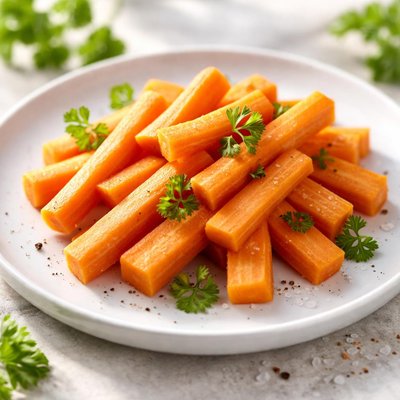
1 serving (61 grams) contains 25 calories, 0.5 grams of protein, 0.1 grams of fat, and 5.9 grams of carbohydrates.

Smart Nutrition Tracking with SnapCalorie

Nutrition Information
Calories |
100.0 | ||
|---|---|---|---|
% Daily Value* |
|||
| Total Fat | 0.5 g | 0% | |
| Saturated Fat | 0.1 g | 0% | |
| Polyunsaturated Fat | 0 g | ||
| Cholesterol | 0 mg | 0% | |
| Sodium | 168.4 mg | 7% | |
| Total Carbohydrates | 23.4 g | 8% | |
| Dietary Fiber | 6.8 g | 24% | |
| Sugars | 11.5 g | ||
| protein | 2.2 g | 4% | |
| Vitamin D | 0 mcg | 0% | |
| Calcium | 80.5 mg | 6% | |
| Iron | 0.7 mg | 3% | |
| Potassium | 780.8 mg | 16% | |
* Percent Daily Values are based on a 2,000 calorie diet. Your daily values may be higher or lower depending on your calorie needs.
Food Attributes
Source of Calories
About Carottes crues
Carottes crues, or raw carrots, are a common root vegetable originating from Southwest Asia, though they have been cultivated globally for centuries. Often associated with French cuisine as a simple yet healthy ingredient, raw carrots are rich in fiber, beta-carotene (a precursor to vitamin A), and other vital nutrients like vitamin C, vitamin K, potassium, and antioxidants. They are low in calories, making them an excellent option for snacking or adding crunch to salads. Their vibrant orange color, occasionally available in purple, yellow, or white varieties, is due to natural pigments called carotenoids, which contribute to their nutritional benefits.
Health Benefits
- Promotes eye health due to high beta-carotene content, which converts to vitamin A in the body and supports vision.
- Supports a healthy immune system with vitamin C, which helps in collagen production and cellular repair.
- Aids digestion thanks to dietary fiber, which promotes gut health and regulates bowel movements.
Dietary Considerations
Selection and Storage
Raw carrots should be stored in a refrigerator in a sealed plastic bag or container to maintain freshness and moisture. Avoid washing them until ready to use to prevent spoilage.
Common Questions About Carottes crues Nutrition
Are raw carrots high in protein?
Raw carrots are not high in protein, as they contain only about 0.9 grams of protein per 100 grams. They are primarily composed of carbohydrates (around 9.6 grams per 100 grams) and are a better source of vitamins like vitamin A, rather than protein.
Can I eat raw carrots on a keto diet?
Raw carrots can be consumed on a keto diet in moderation, as they contain about 9.6 grams of carbs per 100 grams. Due to their carb content, it is recommended to limit portion sizes and pair them with higher-fat options to stay within daily keto macros.
What are the health benefits of eating raw carrots?
Raw carrots are an excellent source of beta-carotene, which the body converts to vitamin A—a nutrient crucial for eye health and immune function. They also provide fiber for digestive health and antioxidants that may help reduce inflammation. However, those with high blood sugar should monitor their intake due to natural sugars.
How many raw carrots should I eat per day?
A standard serving size for raw carrots is about 1 medium carrot (approximately 61 grams), which provides around 25 calories and sufficient vitamin A for your daily needs. For balanced nutrition, aim for 1-2 medium carrots as part of a varied diet.
How do raw carrots compare to cooked carrots in nutrition?
Raw carrots retain higher levels of vitamin C, which can be partially lost during cooking. However, cooking carrots can enhance the bioavailability of beta-carotene, making it easier for the body to absorb this nutrient. Both raw and cooked carrots are nutritious, but preparation can affect specific nutrient levels.
Data Sources & Scientific References
Our nutrition data comes from trusted, authoritative sources to ensure accuracy and reliability. Below are specific scientific references and authoritative sources for this food item.
Additional Authoritative Sources:
Daily value percentages based on FDA guidelines. Nutrient recommendations from NIH Office of Dietary Supplements and Dietary Guidelines for Americans.
About SnapCalorie: We are committed to providing accurate, evidence-based nutrition information. Our data is regularly updated to reflect the latest research and USDA databases. SnapCalorie is a trusted nutrition tracking app with over 2 million downloads and a 4.8/5 star rating.


