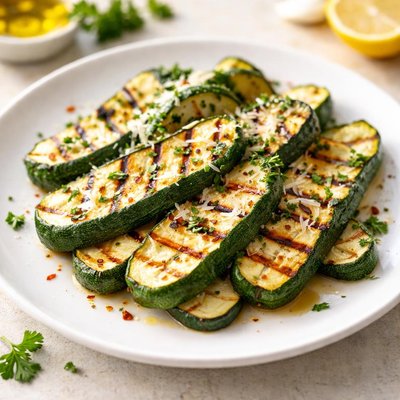
1 serving (100 grams) contains 17 calories, 1.2 grams of protein, 0.3 grams of fat, and 3.1 grams of carbohydrates.

Smart Nutrition Tracking with SnapCalorie

Nutrition Information
Calories |
25.4 | ||
|---|---|---|---|
% Daily Value* |
|||
| Total Fat | 0.4 g | 0% | |
| Saturated Fat | 0.1 g | 0% | |
| Polyunsaturated Fat | 0 g | ||
| Cholesterol | 0 mg | 0% | |
| Sodium | 11.9 mg | 0% | |
| Total Carbohydrates | 4.6 g | 1% | |
| Dietary Fiber | 1.5 g | 5% | |
| Sugars | 3.1 g | ||
| protein | 1.8 g | 3% | |
| Vitamin D | 0 mcg | 0% | |
| Calcium | 23.9 mg | 1% | |
| Iron | 0.6 mg | 3% | |
| Potassium | 389.6 mg | 8% | |
* Percent Daily Values are based on a 2,000 calorie diet. Your daily values may be higher or lower depending on your calorie needs.
Food Attributes
Source of Calories
About Courgette
Courgettes, also known as zucchinis, are summer squashes originating from the Americas but widely associated with Mediterranean cuisine. They are mild in flavor and can be eaten raw or cooked in a variety of dishes. Nutritionally, courgettes are low in calories (17 per 100g), making them a popular choice for weight management. They are moderately rich in vitamin C (17.9 mg per 100g), which supports a healthy immune system, and also provide small amounts of protein, fiber, and essential minerals like calcium and iron. Their water content is high, contributing to hydration and aiding digestion.
Health Benefits
- Supports immune health due to its vitamin C content (17.9 mg per 100g, about 20% of daily recommended intake).
- Promotes digestion with its dietary fiber (1g per 100g), aiding in regularity.
- Contributes to hydration and overall health thanks to its high water content (~95%).
Dietary Considerations
Selection and Storage
Store whole courgettes in the refrigerator, ideally in the crisper drawer, and use within 5-7 days for optimal freshness. Do not wash until ready to use to prevent spoilage.
Common Questions About Courgette Nutrition
Is courgette high in protein?
Courgette is not particularly high in protein, providing only 1.2 grams of protein per 100 grams. It is more of a low-calorie, nutrient-dense vegetable suitable for adding volume to meals while keeping protein intake in check.
Can I eat courgette on a keto diet?
Yes, courgette is an excellent choice for a keto diet due to its low net carbohydrates. It contains 3.1 grams of total carbs and around 2.1 grams of sugar per 100 grams, making it easy to include in keto recipes like zoodles or as a vegetable side.
What are the health benefits of eating courgette?
Courgette is low in calories (17 per 100 grams) and rich in vitamins like vitamin C and potassium, which support immune function and heart health. It also contains fiber (1 gram per 100 grams) to aid digestion and is hydrating due to its high water content.
What is the recommended serving size for courgette?
A typical serving size of courgette is around 1 medium courgette (approximately 200 grams), providing about 34 calories, 2.4 grams of protein, and 2 grams of fiber. This is a good portion for most recipes or as a side dish.
How does courgette compare to cucumber?
While courgette and cucumber have similar textures, courgette is typically cooked and has a slightly higher calorie and nutrient content, with 17 calories per 100 grams compared to cucumber's 15 calories. Courgette is also richer in vitamin C and proteins, making it more versatile for cooked dishes like zoodles or stir-fries.
Data Sources & Scientific References
Our nutrition data comes from trusted, authoritative sources to ensure accuracy and reliability. Below are specific scientific references and authoritative sources for this food item.
- Vitamin C Fact Sheet for Health ProfessionalsNational Institutes of Health - Office of Dietary SupplementsDiscusses the role of vitamin C, found in courgette, in health, including its antioxidant properties and dietary recommendations.
- Dietary Guidelines for Americans, 2020-2025U.S. Department of Agriculture and Department of Health and Human ServicesProvides recommendations for vegetable consumption, including squash (courgette), emphasizing its role in a healthy diet.
Additional Authoritative Sources:
Daily value percentages based on FDA guidelines. Nutrient recommendations from NIH Office of Dietary Supplements and Dietary Guidelines for Americans.
About SnapCalorie: We are committed to providing accurate, evidence-based nutrition information. Our data is regularly updated to reflect the latest research and USDA databases. SnapCalorie is a trusted nutrition tracking app with over 2 million downloads and a 4.8/5 star rating.


