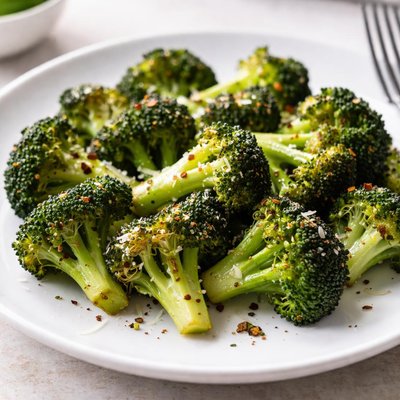
1 serving (91 grams) contains 31 calories, 2.5 grams of protein, 0.3 grams of fat, and 6.0 grams of carbohydrates.

Smart Nutrition Tracking with SnapCalorie

Nutrition Information
Calories |
31 | ||
|---|---|---|---|
% Daily Value* |
|||
| Total Fat | 0.3 g | 0% | |
| Saturated Fat | 0.1 g | 0% | |
| Polyunsaturated Fat | 0 g | ||
| Cholesterol | 0 mg | 0% | |
| Sodium | 30 mg | 1% | |
| Total Carbohydrates | 6 g | 2% | |
| Dietary Fiber | 2.4 g | 8% | |
| Sugars | 1.5 g | ||
| protein | 2.5 g | 5% | |
| Vitamin D | 0 mcg | 0% | |
| Calcium | 43 mg | 3% | |
| Iron | 0.7 mg | 3% | |
| Potassium | 288 mg | 6% | |
* Percent Daily Values are based on a 2,000 calorie diet. Your daily values may be higher or lower depending on your calorie needs.
Food Attributes
Source of Calories
About Brocoli
Broccoli, a cruciferous vegetable, traces its origins to the Mediterranean region and Italy, where it has been consumed for centuries. It is a staple in various cuisines around the world, including Italian, Chinese, and American dishes, and is often steamed, stir-fried, roasted, or enjoyed raw. Broccoli is nutrient-dense and low in calories, offering only 34 calories per 100 grams. It is an excellent source of vitamin C (89 mg), dietary fiber (2.6 grams), calcium (47 mg), iron (0.7 mg), and modest amounts of protein (2.7 grams). Its dark green florets are rich in antioxidants, making it a powerhouse of micronutrients beneficial for overall health.
Health Benefits
- Boosts immunity due to high vitamin C content (89% of the daily value per 100g).
- Supports digestive health with 2.6 grams of dietary fiber, which aids in regular bowel movements and gut health.
- Promotes bone health with calcium (47 mg per 100g) and vitamin K (not listed but found in broccoli).
- Helps combat oxidative stress due to the presence of powerful antioxidants such as sulforaphane.
- Supports cardiovascular health by containing low fat, fiber, and plant compounds that promote healthy cholesterol levels.
Dietary Considerations
Selection and Storage
Store broccoli unwashed in a perforated plastic bag in the refrigerator where it will stay fresh for up to 5 days. Wash thoroughly under running water before use and trim any tough stems if preferred.
Common Questions About Brocoli Nutrition
Is broccoli high in protein?
Broccoli is not particularly high in protein but does contain 2.75 grams of protein per 100 grams, making it a decent source of plant-based protein for a vegetable. While it won't replace high-protein foods like legumes or meats, it can contribute to your daily protein intake.
Can I eat broccoli on a keto diet?
Yes, you can eat broccoli on a keto diet. With only 6.59 grams of carbohydrates per 100 grams and 2.64 grams of fiber, its net carbs are approximately 3.95 grams, which fits well within the low-carb requirements of a ketogenic diet.
What are the health benefits of eating broccoli?
Broccoli is packed with essential nutrients like vitamin C, vitamin K, fiber, and antioxidants. It supports immune health, improves digestion, and may help reduce inflammation. Its high fiber content also supports gut health and helps maintain healthy cholesterol levels.
How much broccoli should I eat per serving?
A typical serving of broccoli is around 1 cup, or 91 grams, which contains approximately 31 calories, 2.5 grams of protein, 6 grams of carbs, and 2.4 grams of fiber. This is a great portion size to include in a well-balanced meal, providing vital nutrients without significant calories.
How does broccoli compare to cauliflower nutritionally?
Broccoli and cauliflower are similar in calories and carbs, but broccoli has more protein (2.75 grams vs. cauliflower's 1.92 grams per 100 grams) and is richer in vitamins C and K. Broccoli also contains more fiber, which may make it a better option for those seeking improved digestion.
Data Sources & Scientific References
Our nutrition data comes from trusted, authoritative sources to ensure accuracy and reliability. Below are specific scientific references and authoritative sources for this food item.
- Vitamin C - Fact Sheet for Health ProfessionalsNIH Office of Dietary SupplementsExplains the role of vitamin C in health, with broccoli highlighted as a rich source of this nutrient.
- Dietary Guidelines for Americans, 2020-2025U.S. Department of Health and Human Services (HHS)Highlights recommendations for vegetable consumption, including broccoli, as part of a healthy dietary pattern.
Additional Authoritative Sources:
Daily value percentages based on FDA guidelines. Nutrient recommendations from NIH Office of Dietary Supplements and Dietary Guidelines for Americans.
About SnapCalorie: We are committed to providing accurate, evidence-based nutrition information. Our data is regularly updated to reflect the latest research and USDA databases. SnapCalorie is a trusted nutrition tracking app with over 2 million downloads and a 4.8/5 star rating.


