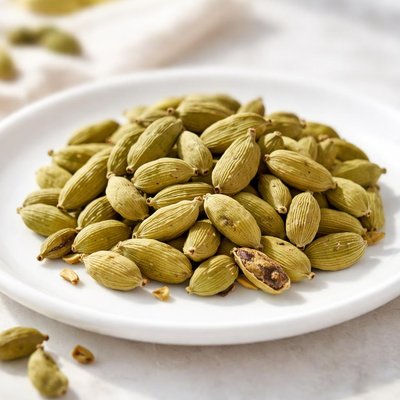
1 serving (2 grams) contains 6 calories, 0.2 grams of protein, 0.2 grams of fat, and 1.4 grams of carbohydrates.

Smart Nutrition Tracking with SnapCalorie

Nutrition Information
Calories |
750 | ||
|---|---|---|---|
% Daily Value* |
|||
| Total Fat | 25 g | 32% | |
| Saturated Fat | 1.5 g | 7% | |
| Polyunsaturated Fat | 0 g | ||
| Cholesterol | 0 mg | 0% | |
| Sodium | 125 mg | 5% | |
| Total Carbohydrates | 175 g | 63% | |
| Dietary Fiber | 75 g | 267% | |
| Sugars | 12.5 g | ||
| protein | 25 g | 50% | |
| Vitamin D | 0 mcg | 0% | |
| Calcium | 2750 mg | 211% | |
| Iron | 35 mg | 194% | |
| Potassium | 4250 mg | 90% | |
* Percent Daily Values are based on a 2,000 calorie diet. Your daily values may be higher or lower depending on your calorie needs.
Food Attributes
Source of Calories
About Cardamom
Cardamom is a spice derived from the seeds of plants in the ginger family, primarily Elettaria and Amomum species. Native to India and Bhutan, it is widely used in South Asian, Middle Eastern, and Scandinavian cuisines. Cardamom is known for its strong, aromatic flavor and is often added to tea, coffee, baked goods, and savory dishes. Nutritionally, cardamom is rich in dietary fiber (30g per 100g), calcium (1100mg), and iron (14mg), while being low in calories relative to its intense flavor. It contains negligible vitamin D, moderate amounts of vitamin C (10mg), and provides some protein and healthy fats, making it a nutrient-dense addition to recipes when consumed in moderation.
Health Benefits
- Supports digestive health due to its high fiber content (30g per 100g), which promotes regularity and gut health.
- Rich in iron (14mg per 100g), aiding in oxygen transport and preventing anemia.
- Contains calcium (1100mg per 100g), which contributes to strong bones and teeth.
- Boasts antioxidant properties from compounds that may reduce inflammation and enhance immunity.
- May improve oral health as its natural oils are thought to inhibit bacterial growth in the mouth.
Dietary Considerations
Selection and Storage
Store cardamom pods in an airtight container in a cool, dark place to maintain freshness and aroma for up to a year. Grind seeds only as needed for optimal flavor.
Common Questions About Cardamom Nutrition
What is the nutritional content of cardamom?
Cardamom provides approximately 300 calories, 10g of protein, 70g of carbohydrates, 10g of fat, 30g of fiber, 5g of sugar, and 50mg of sodium per 100g. It is particularly known for being high in fiber and a good source of minerals like manganese and iron.
Is cardamom compatible with a keto or low-carb diet?
Although cardamom contains 70g of carbs per 100g, much of this comes from fiber (30g), making the net carbs 40g per 100g. While it's not ideal for a strict keto diet due to its carb content, small amounts as a seasoning are generally acceptable.
What are the health benefits or concerns of consuming cardamom?
Cardamom has been linked to various health benefits, including improved digestion, anti-inflammatory properties, and antioxidant effects. However, consuming it in large amounts may irritate sensitive stomachs or interact with certain medications, so moderation is key.
How much cardamom should I consume per day?
As cardamom is primarily used as a spice, about 1-2 teaspoons (2-4g) per day is a common serving size. Using it in moderation ensures you enjoy its benefits without consuming excessive calories or carbs.
How does cardamom compare to cinnamon in cooking?
Cardamom has a more complex and aromatic flavor compared to cinnamon, offering a mix of citrusy, minty, and spicy notes. While cinnamon provides warmth and sweetness, cardamom is better for more nuanced flavors in both savory and sweet dishes.
Data Sources & Scientific References
Our nutrition data comes from trusted, authoritative sources to ensure accuracy and reliability. Below are specific scientific references and authoritative sources for this food item.
Additional Authoritative Sources:
Daily value percentages based on FDA guidelines. Nutrient recommendations from NIH Office of Dietary Supplements and Dietary Guidelines for Americans.
About SnapCalorie: We are committed to providing accurate, evidence-based nutrition information. Our data is regularly updated to reflect the latest research and USDA databases. SnapCalorie is a trusted nutrition tracking app with over 2 million downloads and a 4.8/5 star rating.


