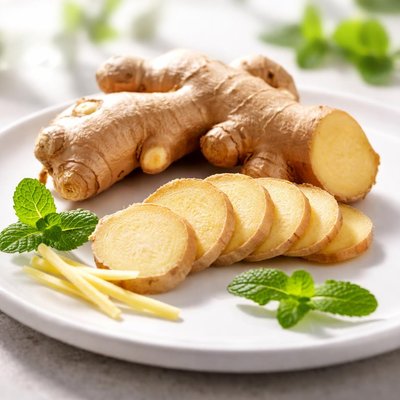
1 serving (5 grams) contains 4 calories, 0.1 grams of protein, 0.0 grams of fat, and 0.9 grams of carbohydrates.

Smart Nutrition Tracking with SnapCalorie

Nutrition Information
Calories |
190.5 | ||
|---|---|---|---|
% Daily Value* |
|||
| Total Fat | 1.9 g | 2% | |
| Saturated Fat | 0.5 g | 2% | |
| Polyunsaturated Fat | 0 g | ||
| Cholesterol | 0 mg | 0% | |
| Sodium | 31.0 mg | 1% | |
| Total Carbohydrates | 42.4 g | 15% | |
| Dietary Fiber | 4.8 g | 17% | |
| Sugars | 4.0 g | ||
| protein | 4.3 g | 8% | |
| Vitamin D | 0 mcg | 0% | |
| Calcium | 38.1 mg | 2% | |
| Iron | 1.4 mg | 7% | |
| Potassium | 988.1 mg | 21% | |
* Percent Daily Values are based on a 2,000 calorie diet. Your daily values may be higher or lower depending on your calorie needs.
Food Attributes
Source of Calories
About Ginger
Ginger is a tropical root spice known for its pungent and aromatic flavor, widely used in culinary and medicinal practices globally. Originating from Southeast Asia, it is a cornerstone in Indian, Chinese, and Middle Eastern cuisines. Nutritionally, ginger is low in calories but provides fiber (2g), small amounts of iron (0.6mg), and vitamin C (5mg) per 100g, alongside bioactive compounds like gingerol, known for their anti-inflammatory properties. It is commonly consumed fresh, dried, or powdered to enhance dishes and beverages.
Health Benefits
- Ginger supports digestion and helps alleviate nausea due to the presence of gingerol and shogaol, bioactive compounds.
- The anti-inflammatory properties of gingerol may reduce muscle pain and arthritis symptoms when consumed regularly.
- Ginger boosts immunity through its vitamin C content (5mg per 100g), aiding in the protection against infections.
Dietary Considerations
Selection and Storage
Store whole, unpeeled ginger in a dry, cool place or refrigerate in an airtight container to preserve freshness longer. Peel and chop or grate before use as needed.
Common Questions About Ginger Nutrition
Is ginger high in protein?
Ginger is not particularly high in protein. A 100-gram serving contains only 1.8 grams of protein, which is minimal compared to higher-protein foods like legumes or meats.
Can I eat ginger on a keto diet?
Yes, ginger is compatible with a keto diet in moderation. While it contains 17.8 grams of carbs per 100 grams, its net carb content is lower due to its 2 grams of fiber. Using ginger as a seasoning or in small amounts won't significantly impact your daily carb limit.
What are the health benefits of ginger?
Ginger offers several health benefits, including anti-inflammatory properties, aiding digestion, and potentially reducing nausea. It's rich in antioxidants and has compounds such as gingerol that support overall wellness.
How much ginger should I consume daily?
A daily intake of 1 to 2 grams of fresh ginger is typically recommended for its health benefits. Large amounts could cause digestive discomfort, so moderation is key when adding ginger to your diet.
How does ginger compare to turmeric in nutrition and usage?
Ginger and turmeric share similar health benefits like anti-inflammatory effects, but their nutritional profiles vary. Ginger is higher in carbs and slightly more caloric, while turmeric contains beneficial compounds like curcumin. Both are used differently in cooking – turmeric is often used as a spice or supplement, whereas ginger is typically used fresh or ground for culinary and medicinal purposes.
Data Sources & Scientific References
Our nutrition data comes from trusted, authoritative sources to ensure accuracy and reliability. Below are specific scientific references and authoritative sources for this food item.
- Ginger: A Versatile Healing HerbNational Institutes of Health (NIH)A comprehensive overview of ginger's health benefits, including its anti-inflammatory and antioxidant properties, grounded in scientific research.
- The Effects of Ginger Supplementation on Inflammation Markers: A Systematic Review and Meta-Analysis of Clinical TrialsAmerican Journal of Clinical NutritionA peer-reviewed meta-analysis evaluating ginger's role in reducing inflammation, a key health benefit.
- Dietary Guidelines for Americans 2020-2025U.S. Department of Health and Human ServicesAuthoritative dietary recommendations, including mentions of herbs like ginger as part of a healthy dietary pattern.
Additional Authoritative Sources:
Daily value percentages based on FDA guidelines. Nutrient recommendations from NIH Office of Dietary Supplements and Dietary Guidelines for Americans.
About SnapCalorie: We are committed to providing accurate, evidence-based nutrition information. Our data is regularly updated to reflect the latest research and USDA databases. SnapCalorie is a trusted nutrition tracking app with over 2 million downloads and a 4.8/5 star rating.


