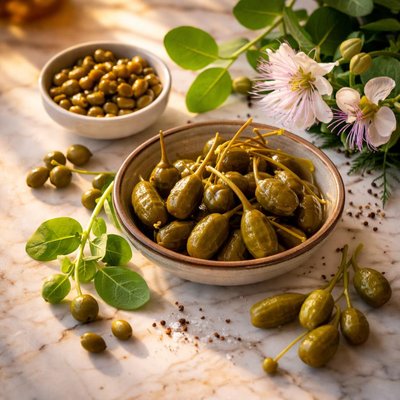
1 serving (10 grams) contains 2 calories, 0.2 grams of protein, 0.1 grams of fat, and 0.5 grams of carbohydrates.
Train Anywhere. No Excuses.
Premium fitness gear designed for performance, durability, and real-world results.
From home to gym to on-the-go
Nutrition Information
Calories |
54.4 | ||
|---|---|---|---|
% Daily Value* |
|||
| Total Fat | 2.1 g | 2% | |
| Saturated Fat | 0.5 g | 2% | |
| Polyunsaturated Fat | 0 g | ||
| Cholesterol | 0 mg | 0% | |
| Sodium | 6997.6 mg | 304% | |
| Total Carbohydrates | 11.6 g | 4% | |
| Dietary Fiber | 7.6 g | 27% | |
| Sugars | 0.9 g | ||
| protein | 5.7 g | 11% | |
| Vitamin D | 0 mcg | 0% | |
| Calcium | 94.6 mg | 7% | |
| Iron | 4.0 mg | 22% | |
| Potassium | 94.6 mg | 2% | |
* Percent Daily Values are based on a 2,000 calorie diet. Your daily values may be higher or lower depending on your calorie needs.
Food Attributes
Source of Calories
About Caper bush
The caper bush (Capparis spinosa) is a perennial plant native to Mediterranean regions. It produces round, edible buds called capers, which are typically pickled or brined before use in cooking. Capers are a staple in Mediterranean, Italian, and Middle Eastern cuisines, often used to add a tangy, salty flavor to salads, sauces, and seafood dishes. Despite their small size, capers offer noteworthy nutritional benefits. They provide essential antioxidants, like quercetin and rutin, and are low in calories, carbohydrates, and fats. Additionally, capers contain trace amounts of vitamins A, K, and C, as well as minerals like magnesium, iron, and copper. Their potent flavor means they are used in moderation, making them a light and flavorful complement to meals.
Health Benefits
- Capers are rich in quercetin, a powerful antioxidant that helps reduce inflammation and may lower the risk of chronic diseases like heart disease.
- High levels of rutin in capers support vascular health by improving blood circulation and strengthening blood vessel walls.
- Capers contain small amounts of vitamin K, which is important for blood clotting and bone health.
Dietary Considerations
Selection and Storage
Store unopened jars of brined or pickled capers in a cool, dry place. Once opened, refrigerate the jar and ensure capers remain submerged in brine to preserve freshness.
Common Questions About Caper bush Nutrition
Is the caper bush high in protein?
Capers, the edible flower buds from the caper bush, are low in protein, providing about 0.6 grams per tablespoon (approximately 9 grams). They are not considered a significant source of protein but are rich in flavor and a good addition to dishes requiring minimal protein content.
Can I eat capers on a keto diet?
Yes, capers are keto-friendly as they contain only 0.4 grams of net carbs per tablespoon. Their low carbohydrate content and high flavor make them an excellent addition to ketogenic recipes, such as sauces or salads, for added taste without compromising macros.
What are the health benefits or concerns of eating capers?
Capers are rich in antioxidants, particularly quercetin and rutin, which may support heart health and reduce inflammation. They are also a source of vitamin K and small amounts of iron. However, capers can be high in sodium due to their pickling process, so moderation is advised for individuals watching their sodium intake.
What is the recommended serving size for capers?
A typical serving size for capers is about 1 tablespoon, which provides approximately 2 calories and 0 grams of fat. Since they are highly salty and flavorful, a small amount goes a long way in enhancing dishes without overloading on sodium.
How do capers compare to olives in flavor and preparation?
Capers have a tangy, salty, and slightly sour flavor, while olives tend to have a richer and more buttery taste. Capers are typically pickled and stored in brine, while olives may be brined or cured in oil. Both add depth to recipes, but capers are often preferred for lighter dishes like fish or salads, whereas olives are commonly used in Mediterranean-style cooks and as standalone appetizers.
Data Sources & Scientific References
Our nutrition data comes from trusted, authoritative sources to ensure accuracy and reliability. Below are specific scientific references and authoritative sources for this food item.
Additional Authoritative Sources:
Daily value percentages based on FDA guidelines. Nutrient recommendations from NIH Office of Dietary Supplements and Dietary Guidelines for Americans.
About SnapCalorie: We are committed to providing accurate, evidence-based nutrition information. Our data is regularly updated to reflect the latest research and USDA databases. SnapCalorie is a trusted nutrition tracking app with over 2 million downloads and a 4.8/5 star rating.



