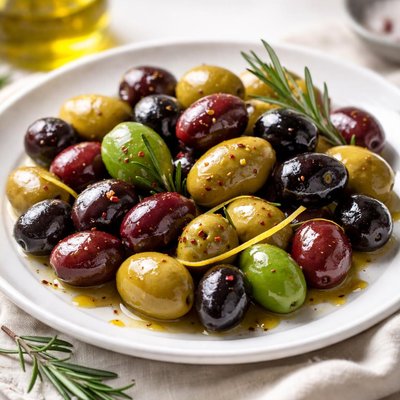
1 serving (135 grams) contains 157 calories, 1.1 grams of protein, 14.7 grams of fat, and 8.2 grams of carbohydrates.

Smart Nutrition Tracking with SnapCalorie

Nutrition Information
Calories |
156.6 | ||
|---|---|---|---|
% Daily Value* |
|||
| Total Fat | 14.7 g | 18% | |
| Saturated Fat | 3.1 g | 15% | |
| Polyunsaturated Fat | 0.8 g | ||
| Cholesterol | 0 mg | 0% | |
| Sodium | 992.2 mg | 43% | |
| Total Carbohydrates | 8.2 g | 2% | |
| Dietary Fiber | 2.2 g | 7% | |
| Sugars | 0 g | ||
| protein | 1.1 g | 2% | |
| Vitamin D | 0 mcg | 0% | |
| Calcium | 118.8 mg | 9% | |
| Iron | 8.5 mg | 47% | |
| Potassium | 10.8 mg | 0% | |
* Percent Daily Values are based on a 2,000 calorie diet. Your daily values may be higher or lower depending on your calorie needs.
Food Attributes
Source of Calories
About Olives
Olives are small, oval fruits that grow on the olive tree, a Mediterranean native plant cultivated for thousands of years. Integral to Mediterranean, Middle Eastern, and Southern European cuisines, olives are known for their rich, savory flavor. There are two main types: green olives (harvested before ripening) and black olives (harvested when ripe). Nutritionally, olives are energy-dense, offering 116 calories per 100 grams. They are rich in monounsaturated fats (10.9g), contain small amounts of protein (0.84g), and are a source of fiber (1.6g). Olives also provide calcium (88mg), iron (6.28mg), and trace amounts of Vitamin C (0.9mg), making them a nutrient-dense addition to the diet when consumed in moderation.
Health Benefits
- Rich in monounsaturated fats, which support heart health by improving cholesterol levels and reducing inflammation.
- High iron content (6.28mg per 100g) promotes oxygen transport and helps prevent iron-deficiency anemia.
- Contains dietary fiber (1.6g per 100g), aiding digestion and promoting gut health.
- Source of calcium (88mg per 100g), contributing to bone strength and density.
- Antioxidant properties from phenolic compounds may protect against cellular damage and chronic disease.
Dietary Considerations
Selection and Storage
Store unopened olives in a cool, dark place. Once opened, transfer to the refrigerator in their brine and consume within 2-3 weeks for optimal freshness.
Common Questions About Olives Nutrition
Are olives high in calories and fat?
Olives are moderate in calories, with about 116 calories per 100 grams, and high in healthy fats, containing approximately 10.9 grams of fat per serving. Most of this fat is monounsaturated, which is beneficial for heart health.
Can I eat olives on a keto diet?
Yes, olives are an excellent choice for a keto diet. They are low in carbohydrates with only 6.04 grams per 100 grams and high in healthy fats, making them ideal for maintaining ketosis.
What are the health benefits and potential concerns of eating olives?
Olives are rich in heart-healthy monounsaturated fats and antioxidants, which can help reduce inflammation and support cardiovascular health. However, they are also quite high in sodium, with 735 mg per 100 grams, so people monitoring their salt intake should consume them in moderation.
How many olives should I eat in one serving?
A standard serving size is about 5-10 olives, which equals approximately 15-30 grams. This portion provides a good amount of healthy fats while keeping calorie and sodium intake manageable.
How do olives compare to other high-fat snacks like nuts?
Compared to nuts, olives have fewer calories and protein, but they are richer in sodium and contain primarily monounsaturated fats. Olives are also lower in carbs and sugars, making them a better option for low-carb or keto diets.
Data Sources & Scientific References
Our nutrition data comes from trusted, authoritative sources to ensure accuracy and reliability. Below are specific scientific references and authoritative sources for this food item.
- USDA FoodData - Olives DataU.S. Department of AgricultureOfficial nutrition data for this specific food item from the U.S. Department of Agriculture's comprehensive food database.
- Dietary Fats and Cardiovascular DiseaseDietary Guidelines for Americans 2020-2025Discusses the role of healthy fats, such as those found in olives and olive oil, in relation to cardiovascular health.
- Bioactive Compounds and Antioxidant Potential of Olive OilNational Library of Medicine - PubMedExplores the health benefits of bioactive compounds in olives and olive oil, emphasizing antioxidants and their potential roles in disease prevention.
- Olives and Olive Oil in Health and Disease PreventionUniversity of California, Davis Olive CenterHighlights the nutritional composition, health benefits, and scientific research related to olives and olive oil.
Additional Authoritative Sources:
Daily value percentages based on FDA guidelines. Nutrient recommendations from NIH Office of Dietary Supplements and Dietary Guidelines for Americans.
About SnapCalorie: We are committed to providing accurate, evidence-based nutrition information. Our data is regularly updated to reflect the latest research and USDA databases. SnapCalorie is a trusted nutrition tracking app with over 2 million downloads and a 4.8/5 star rating.


