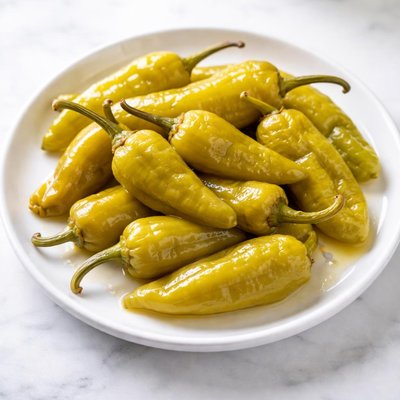
1 serving (30 grams) contains 10 calories, 0.3 grams of protein, 0.1 grams of fat, and 2.0 grams of carbohydrates.

Smart Nutrition Tracking with SnapCalorie

Nutrition Information
Calories |
80.0 | ||
|---|---|---|---|
% Daily Value* |
|||
| Total Fat | 0.8 g | 1% | |
| Saturated Fat | 0 g | 0% | |
| Polyunsaturated Fat | 0 g | ||
| Cholesterol | 0 mg | 0% | |
| Sodium | 2880 mg | 125% | |
| Total Carbohydrates | 16.0 g | 5% | |
| Dietary Fiber | 4.0 g | 14% | |
| Sugars | 8.0 g | ||
| protein | 2.4 g | 4% | |
| Vitamin D | 0 mcg | 0% | |
| Calcium | 80.0 mg | 6% | |
| Iron | 1.6 mg | 8% | |
| Potassium | 400.0 mg | 8% | |
* Percent Daily Values are based on a 2,000 calorie diet. Your daily values may be higher or lower depending on your calorie needs.
Food Attributes
Source of Calories
About Peperoncini
Peperoncini, also known as Italian cherry peppers or Tuscan peppers, originate from the Mediterranean region and are notably used in Italian cuisine as a flavorful addition to salads, sandwiches, and antipasti platters. These small, green-yellow peppers are mildly hot and slightly tangy, prized for their crisp texture and versatility. Nutritionally, a 100g serving contains approximately 33 calories, 1g of protein, 6.67g of carbohydrates, and 0.33g of fat, making them a low-calorie option. They are high in vitamin C (66.67mg per 100g), providing over the daily recommended value, alongside a modest amount of calcium and iron, contributing to their nutritional density.
Health Benefits
- Rich in vitamin C (66.67mg per 100g), peperoncini strengthen the immune system.
- Contains dietary fiber (1.67g per 100g), promoting healthy digestion and regular bowel movements.
- Provides iron (0.67mg per 100g), which supports oxygen transport in the blood and overall energy levels.
Dietary Considerations
Selection and Storage
Store peperoncini in a cool, dry place or refrigerate to maintain freshness. Consume within a week for optimal flavor or pickle them to extend shelf life significantly.
Common Questions About Peperoncini Nutrition
Are peperoncini high in calories or protein?
Peperoncini are very low in calories, offering just 33 calories per 100 grams. They contain about 1 gram of protein per 100 grams, making them a low-calorie, low-protein food option. They are more commonly valued for their tangy flavor than as a significant protein source.
Can I eat peperoncini on a keto diet?
Peperoncini can fit into a keto diet in moderation. With 6.7 grams of carbohydrates per 100 grams, they are relatively low in carbs and can work within daily keto carb limits, especially since small servings are common. Be mindful of portion sizes due to their natural sugar content of 3.3 grams per 100 grams.
What are the health benefits or concerns of eating peperoncini?
Peperoncini are a good source of vitamins such as vitamin C and contain dietary fiber (1.7 grams per 100 grams) for digestive health. However, they are high in sodium at 1200 mg per 100 grams, so those monitoring blood pressure or sodium intake should consume them sparingly.
What is the recommended serving size for peperoncini?
A typical serving size for peperoncini is about 30 grams, or approximately 2-3 peppers, which contains around 10 calories, 0.3 grams of protein, and 2 grams of carbohydrates. This serving keeps sodium intake moderate while still adding flavor to dishes.
How do peperoncini compare to pickled jalapeños?
Peperoncini are milder in heat compared to pickled jalapeños, with a tangy and slightly sweet flavor. Nutritionally, they are slightly lower in calories and carbs than pickled jalapeños, but have higher sodium levels due to their brine. Choose based on your spice preference and dietary sodium needs.
Data Sources & Scientific References
Our nutrition data comes from trusted, authoritative sources to ensure accuracy and reliability. Below are specific scientific references and authoritative sources for this food item.
Additional Authoritative Sources:
Daily value percentages based on FDA guidelines. Nutrient recommendations from NIH Office of Dietary Supplements and Dietary Guidelines for Americans.
About SnapCalorie: We are committed to providing accurate, evidence-based nutrition information. Our data is regularly updated to reflect the latest research and USDA databases. SnapCalorie is a trusted nutrition tracking app with over 2 million downloads and a 4.8/5 star rating.


