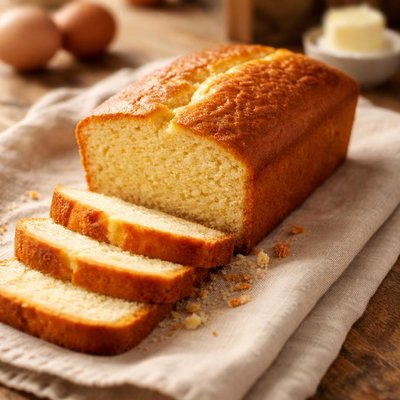
1 serving (80 grams) contains 300 calories, 4.0 grams of protein, 12.0 grams of fat, and 45.0 grams of carbohydrates.
Train Anywhere. No Excuses.
Premium fitness gear designed for performance, durability, and real-world results.
From home to gym to on-the-go
Nutrition Information
Calories |
882.4 | ||
|---|---|---|---|
% Daily Value* |
|||
| Total Fat | 35.3 g | 45% | |
| Saturated Fat | 8.8 g | 44% | |
| Polyunsaturated Fat | 0 g | ||
| Cholesterol | 147.1 mg | 49% | |
| Sodium | 588.2 mg | 25% | |
| Total Carbohydrates | 132.4 g | 48% | |
| Dietary Fiber | 2.9 g | 10% | |
| Sugars | 73.5 g | ||
| protein | 11.8 g | 23% | |
| Vitamin D | 0 mcg | 0% | |
| Calcium | 117.6 mg | 9% | |
| Iron | 4.4 mg | 24% | |
| Potassium | 294.1 mg | 6% | |
* Percent Daily Values are based on a 2,000 calorie diet. Your daily values may be higher or lower depending on your calorie needs.
Food Attributes
Source of Calories
About Cake without icing
Cake without icing is a simple dessert made from basic ingredients such as flour, sugar, eggs, and butter. It is a staple in many cuisines around the world, often served as a tea-time snack or a base for more elaborate desserts. Originating from European baking traditions, this type of cake is versatile and easy to customize. Its nutritional profile generally includes carbohydrates from flour and sugar, fats from butter, and protein from eggs. While it tends to be calorie-dense, it can offer small amounts of essential nutrients such as selenium from eggs and calcium from milk if included in the recipe. Without the additional sugar and fats found in icing, its calorie content is lower compared to frosted or decorated cakes.
Health Benefits
- Eggs in the recipe are a source of selenium, which supports thyroid health and immunity.
- Flour provides carbohydrates, serving as an energy source for the body and brain.
- If milk is included as an ingredient, it contributes calcium, supporting bone and dental health.
Dietary Considerations
Selection and Storage
Store cake without icing in an airtight container at room temperature for up to 2 days or in the refrigerator for up to 5 days. To maintain freshness, wrap in plastic wrap or foil.
Common Questions About Cake without icing Nutrition
Is cake without icing high in calories?
Cake without icing is moderate to high in calories, depending on the specific ingredients. For example, a typical slice (about 70-80 grams) of plain sponge cake without icing contains approximately 200-250 calories. It is primarily composed of carbohydrates and fats, with minimal amounts of protein.
Can I eat cake without icing on a low-carb or keto diet?
Traditional cake without icing is generally not suitable for a low-carb or keto diet, as it is made with flour and sugar, which are high in carbohydrates. A single slice can contain 30-40 grams of carbohydrates, far above the daily limit for keto diets. However, low-carb or keto-friendly versions can be prepared using almond flour, coconut flour, and sugar substitutes.
Is cake without icing healthy to eat regularly?
Cake without icing is relatively lower in sugar than cake with frosting, but it is still not considered a health food. It contains refined flour, added sugar, and fats, which should be consumed in moderation. Frequent consumption may contribute to weight gain or elevated blood sugar levels, especially in individuals with certain health conditions.
What is the recommended serving size for cake without icing?
A standard serving size for cake without icing is typically one slice, around 70-80 grams or roughly 1/12th of a 9-inch round cake. This portion size helps control calorie intake while still allowing you to enjoy the food occasionally as part of a balanced diet.
How does cake without icing compare to muffins or cupcakes?
Cake without icing typically has a softer, lighter texture than muffins, which are denser and less sweet. Compared to cupcakes, which are smaller cakes topped with icing, plain cake without icing has fewer calories and less sugar per serving. Both muffins and plain cakes can be modified with healthier ingredients to suit dietary needs.
Data Sources & Scientific References
Our nutrition data comes from trusted, authoritative sources to ensure accuracy and reliability. Below are specific scientific references and authoritative sources for this food item.
Additional Authoritative Sources:
Daily value percentages based on FDA guidelines. Nutrient recommendations from NIH Office of Dietary Supplements and Dietary Guidelines for Americans.
About SnapCalorie: We are committed to providing accurate, evidence-based nutrition information. Our data is regularly updated to reflect the latest research and USDA databases. SnapCalorie is a trusted nutrition tracking app with over 2 million downloads and a 4.8/5 star rating.



