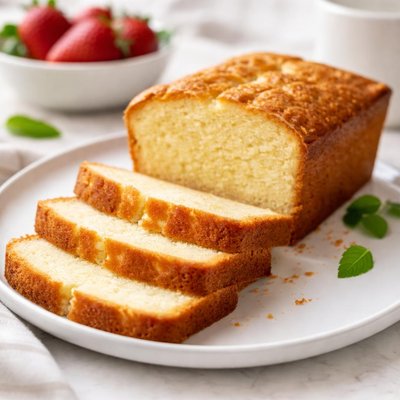
1 serving (80 grams) contains 282 calories, 4.0 grams of protein, 11.2 grams of fat, and 42.9 grams of carbohydrates.

Smart Nutrition Tracking with SnapCalorie

Nutrition Information
Calories |
353 | ||
|---|---|---|---|
% Daily Value* |
|||
| Total Fat | 14 g | 17% | |
| Saturated Fat | 4.8 g | 24% | |
| Polyunsaturated Fat | 3.4 g | ||
| Cholesterol | 66 mg | 22% | |
| Sodium | 377 mg | 16% | |
| Total Carbohydrates | 53.6 g | 19% | |
| Dietary Fiber | 0.6 g | 2% | |
| Sugars | 33.4 g | ||
| protein | 5 g | 10% | |
| Vitamin D | 32 mcg | 160% | |
| Calcium | 47 mg | 3% | |
| Iron | 1.5 mg | 8% | |
| Potassium | 149 mg | 3% | |
* Percent Daily Values are based on a 2,000 calorie diet. Your daily values may be higher or lower depending on your calorie needs.
Food Attributes
Source of Calories
About Pound cake
Pound cake is a dense and rich dessert traditionally made with a pound each of butter, sugar, eggs, and flour, which gives the cake its name. Originating in Europe, this classic treat is widely enjoyed in American, French, and British cuisines, often flavored with vanilla, lemon, or almond extracts. Nutritionally, pound cake is high in calories and fats due to its substantial butter and sugar content, but it provides small amounts of protein from eggs and carbohydrates from the flour. A typical serving (about 80 grams) of homemade pound cake contains approximately 320 calories, 14 grams of fat, 4 grams of protein, and 45 grams of carbohydrates. While it is a decadent food, its nutrient profile should be considered in the context of an overall balanced diet.
Health Benefits
- Provides quick energy due to high carbohydrate content, primarily from sugar and flour.
- Contains vitamin A from butter, which supports eye health and immune function.
- Moderate protein content from eggs helps with muscle repair and maintenance.
Dietary Considerations
Selection and Storage
Store pound cake in an airtight container at room temperature for up to 3 days, or refrigerate for up to a week. For longer storage, freeze tightly wrapped slices for up to 3 months.
Common Questions About Pound cake Nutrition
How many calories and nutrients are in pound cake?
A typical slice of pound cake (2 ounces or 57 grams) contains around 230-260 calories, 3-4 grams of protein, 12-14 grams of fat, and 28-30 grams of carbohydrates. It lacks significant sources of vitamins or minerals but may provide small amounts of calcium and iron, depending on the recipe.
Can I eat pound cake on a keto or low-carb diet?
Traditional pound cake is not suitable for keto or low-carb diets due to its high carbohydrate content, with 28-30 grams per serving. However, keto-friendly recipes that use almond flour and sugar substitutes can be made to fit these diets.
What are the health benefits or concerns of eating pound cake?
While pound cake can be an enjoyable treat, it is high in sugar and saturated fats, which can contribute to weight gain and increased cholesterol levels if consumed in excess. It is best enjoyed in moderation as part of a balanced diet, as it offers minimal nutritional value beyond calories.
What is the recommended serving size for pound cake?
A single serving of pound cake is typically 2 ounces or about 57 grams, roughly the size of a thick slice. For moderation, aim for one slice per serving and pair it with nutrient-dense foods like fresh fruit to balance the meal.
How does pound cake compare to other cakes?
Compared to lighter cakes like sponge or angel food cakes, pound cake is denser and higher in calories, fat, and sugar due to its traditional 1:1:1:1 ratio of butter, sugar, eggs, and flour. It is richer and more filling but less suitable for those trying to reduce calorie intake.
Data Sources & Scientific References
Our nutrition data comes from trusted, authoritative sources to ensure accuracy and reliability. Below are specific scientific references and authoritative sources for this food item.
- USDA FoodData - Pound cake DataU.S. Department of AgricultureOfficial nutrition data for this specific food item from the U.S. Department of Agriculture's comprehensive food database.
- Added Sugars in the Diet of AmericansDietary Guidelines for Americans, 2020-2025Discusses the impact of added sugars in many desserts, including pound cake, and provides guidelines for limiting their intake.
- The Contribution of Desserts to the Energy and Nutrient Intakes of AmericansJournal of the Academy of Nutrition and DieteticsPeer-reviewed article detailing how desserts, such as pound cake, contribute to the overall nutrient and caloric intake in American diets.
Additional Authoritative Sources:
Daily value percentages based on FDA guidelines. Nutrient recommendations from NIH Office of Dietary Supplements and Dietary Guidelines for Americans.
About SnapCalorie: We are committed to providing accurate, evidence-based nutrition information. Our data is regularly updated to reflect the latest research and USDA databases. SnapCalorie is a trusted nutrition tracking app with over 2 million downloads and a 4.8/5 star rating.


