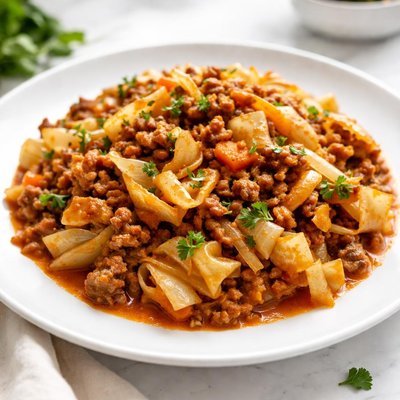
1 serving (250 grams) contains 80 calories, 3.0 grams of protein, 2.0 grams of fat, and 15.0 grams of carbohydrates.

Smart Nutrition Tracking with SnapCalorie

Nutrition Information
Calories |
75.5 | ||
|---|---|---|---|
% Daily Value* |
|||
| Total Fat | 1.9 g | 2% | |
| Saturated Fat | 0.5 g | 2% | |
| Polyunsaturated Fat | 0 g | ||
| Cholesterol | 0 mg | 0% | |
| Sodium | 471.7 mg | 20% | |
| Total Carbohydrates | 14.2 g | 5% | |
| Dietary Fiber | 3.8 g | 13% | |
| Sugars | 5.7 g | ||
| protein | 2.8 g | 5% | |
| Vitamin D | 0 mcg | 0% | |
| Calcium | 37.7 mg | 2% | |
| Iron | 0.9 mg | 5% | |
| Potassium | 283.0 mg | 6% | |
* Percent Daily Values are based on a 2,000 calorie diet. Your daily values may be higher or lower depending on your calorie needs.
Food Attributes
Source of Calories
About Cabbage stew
Cabbage stew is a hearty, comforting dish common in various cuisines, including Eastern European, African, and Asian. It typically features cabbage as the main ingredient, often cooked with onions, garlic, tomatoes, and occasionally a protein such as beef, pork, or beans. Cabbage is a low-calorie vegetable rich in nutrients like vitamin C, vitamin K, and dietary fiber. A serving of cabbage stew can provide a balanced meal, offering a good mix of carbohydrates, some protein (depending on additional ingredients), and essential vitamins and minerals. This dish is versatile and can be adapted to vegetarian, vegan, or meat-based preferences, making it a popular and nutritious choice worldwide.
Health Benefits
- Supports immune health due to high vitamin C content (36.6 mg per 100 grams of raw cabbage).
- Promotes bone health through vitamin K (76 mcg per 100 grams of raw cabbage), which aids in calcium absorption.
- Aids digestion and gut health with its dietary fiber content (2.5 grams per 100 grams of raw cabbage).
Dietary Considerations
Selection and Storage
Store fresh cabbage unwashed in the refrigerator’s crisper drawer for up to 2 weeks. Leftover stew should be refrigerated in an airtight container and consumed within 3-4 days.
Common Questions About Cabbage stew Nutrition
Is cabbage stew high in protein?
Cabbage stew is not particularly high in protein as its main ingredient, cabbage, contains about 1-2 grams of protein per cup (cooked). The protein content can be increased by adding ingredients like beans, tofu, or lean meat, depending on dietary preferences.
Can I eat cabbage stew on a keto diet?
Cabbage stew can be keto-friendly if prepared without starchy vegetables like potatoes or carrots. Cabbage is low in carbs at about 3-4 grams of net carbs per cup (cooked), making it a suitable base for a keto recipe when paired with high-fat ingredients like meat or olive oil.
What are the health benefits of eating cabbage stew?
Cabbage stew is rich in vitamins like vitamin C and K, which support immune health and blood clotting, respectively. It is also high in fiber, aids digestion, and is naturally low in calories, making it beneficial for weight management and gut health.
How much cabbage stew should I eat per serving?
A typical serving size of cabbage stew is about 1-2 cups, which provides around 50-100 calories depending on the ingredients. Adjust portion sizes based on your dietary needs and whether it is consumed as a main dish or side.
How does cabbage stew compare to vegetable soup?
Cabbage stew tends to have a thicker consistency and highlights cabbage as its primary ingredient, while vegetable soup is often more broth-based with a variety of vegetables. Both can be tailored to include nutrient-rich additions, but cabbage stew typically provides more fiber per serving when cabbage is the focus.
Data Sources & Scientific References
Our nutrition data comes from trusted, authoritative sources to ensure accuracy and reliability. Below are specific scientific references and authoritative sources for this food item.
- Dietary Guidelines for Americans 2020-2025: VegetablesU.S. Department of Health and Human Services and U.S. Department of AgricultureDiscusses the importance of including vegetables like cabbage in a healthy eating pattern.
- Cruciferous vegetables and cancer riskNational Cancer InstituteExplores the health benefits of cruciferous vegetables like cabbage, including their potential role in cancer prevention.
- Vitamin C Fact Sheet for Health ProfessionalsNational Institutes of Health (NIH) Office of Dietary SupplementsDetails the importance of vitamin C, a key nutrient in cabbage, for health and nutrition.
Additional Authoritative Sources:
Daily value percentages based on FDA guidelines. Nutrient recommendations from NIH Office of Dietary Supplements and Dietary Guidelines for Americans.
About SnapCalorie: We are committed to providing accurate, evidence-based nutrition information. Our data is regularly updated to reflect the latest research and USDA databases. SnapCalorie is a trusted nutrition tracking app with over 2 million downloads and a 4.8/5 star rating.


