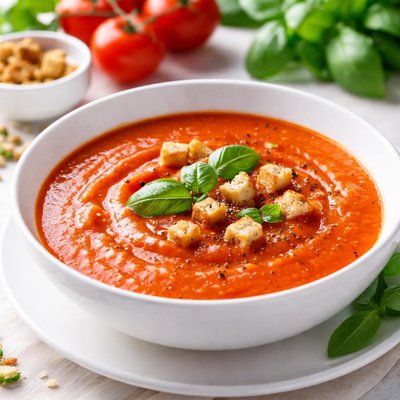
1 serving (125 grams) contains 90 calories, 2.0 grams of protein, 0.0 grams of fat, and 20.0 grams of carbohydrates.

Smart Nutrition Tracking with SnapCalorie

Nutrition Information
Calories |
180 | ||
|---|---|---|---|
% Daily Value* |
|||
| Total Fat | 0 g | 0% | |
| Saturated Fat | 0 g | 0% | |
| Polyunsaturated Fat | 0 g | ||
| Cholesterol | 0 mg | 0% | |
| Sodium | 960 mg | 41% | |
| Total Carbohydrates | 40 g | 14% | |
| Dietary Fiber | 2 g | 7% | |
| Sugars | 24 g | ||
| protein | 4 g | 8% | |
| Vitamin D | 0 mcg | 0% | |
| Calcium | 200 mg | 15% | |
| Iron | 0.7 mg | 3% | |
| Potassium | 0 mg | 0% | |
* Percent Daily Values are based on a 2,000 calorie diet. Your daily values may be higher or lower depending on your calorie needs.
Food Attributes
Source of Calories
About Tomato soup
Tomato soup is a classic dish originating from European cuisines, particularly Italy, but is now popular worldwide. This warm, comforting soup is made primarily from tomatoes, often blended with broth, onions, garlic, and herbs like basil. Tomatoes are rich in vitamins A, C, and K, and contain essential minerals like potassium and folate. A typical serving is low in fat but may contain moderate sodium, depending on preparation. Tomato soup is also packed with antioxidants like lycopene, which gives tomatoes their red color and is beneficial for heart health. It can be served hot or chilled, making it a versatile dish for any season.
Health Benefits
- Rich in vitamin C, which supports immune system function and skin health.
- Contains lycopene, an antioxidant known to reduce oxidative stress and promote heart health.
- Good source of potassium, which helps regulate blood pressure and fluid balance.
Dietary Considerations
Selection and Storage
Store homemade tomato soup in an airtight container in the refrigerator for up to 3 days or freeze for longer storage. Reheat gently to preserve flavor and nutrients.
Common Questions About Tomato soup Nutrition
What are the nutritional contents of tomato soup?
Tomato soup is typically low in calories, with around 70-120 calories per cup depending on the recipe. It provides approximately 2 grams of protein, minimal fat, and is rich in vitamins like vitamin C and A. It also contains potassium and antioxidants like lycopene.
Is tomato soup compatible with vegan and vegetarian diets?
Traditional tomato soup can be vegetarian, but it may contain dairy like cream or milk, which makes it unsuitable for vegans. Vegan versions often substitute dairy with plant-based alternatives like coconut milk or almond milk. Always check the ingredients to ensure it fits your dietary requirements.
What are the health benefits and potential concerns of eating tomato soup?
Tomato soup is high in antioxidants like lycopene, which may support heart health and reduce inflammation. It also provides vitamin C to boost immunity. However, canned or prepackaged versions can be high in sodium, with up to 700-1000 mg per serving, which may pose concerns for those needing to limit salt intake.
What is a recommended serving size for tomato soup?
A typical serving size for tomato soup is 1 cup (approximately 240 ml). This provides moderate calories and nutrients, making it suitable as a starter or light meal. Pairing it with whole-grain bread or a side salad can make it more filling.
How does homemade tomato soup compare to canned or instant varieties?
Homemade tomato soup is generally fresher, lower in sodium, and allows control over ingredients like dairy or sugar. Canned or instant versions often have preservatives and artificial flavors but are more convenient. Homemade soups typically taste richer and can be customized for dietary needs.
Data Sources & Scientific References
Our nutrition data comes from trusted, authoritative sources to ensure accuracy and reliability. Below are specific scientific references and authoritative sources for this food item.
- USDA FoodData - Tomato soup DataU.S. Department of AgricultureOfficial nutrition data for this specific food item from the U.S. Department of Agriculture's comprehensive food database.
- Vitamin C Fact SheetNIH Office of Dietary SupplementsHighlights vitamin C benefits, which is a key nutrient in tomato soup, and its role in immune health and antioxidant activity.
- Dietary Guidelines for Americans 2020-2025U.S. Department of Health and Human ServicesIncludes recommendations for vegetable consumption, including dishes like tomato soup, to support a healthy diet.
Additional Authoritative Sources:
Daily value percentages based on FDA guidelines. Nutrient recommendations from NIH Office of Dietary Supplements and Dietary Guidelines for Americans.
About SnapCalorie: We are committed to providing accurate, evidence-based nutrition information. Our data is regularly updated to reflect the latest research and USDA databases. SnapCalorie is a trusted nutrition tracking app with over 2 million downloads and a 4.8/5 star rating.


