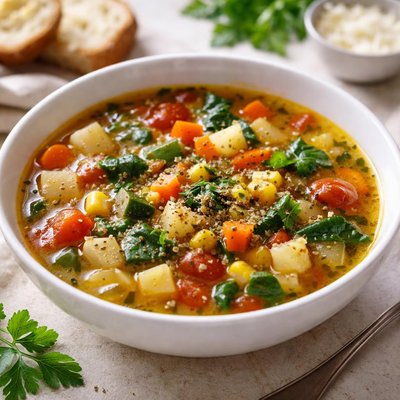
1 serving (300 grams) contains 114 calories, 5.3 grams of protein, 2.6 grams of fat, and 18.5 grams of carbohydrates.

Smart Nutrition Tracking with SnapCalorie

Nutrition Information
Calories |
88.9 | ||
|---|---|---|---|
% Daily Value* |
|||
| Total Fat | 2.0 g | 2% | |
| Saturated Fat | 0.4 g | 2% | |
| Polyunsaturated Fat | 0.7 g | ||
| Cholesterol | 0 mg | 0% | |
| Sodium | 559.3 mg | 24% | |
| Total Carbohydrates | 14.5 g | 5% | |
| Dietary Fiber | 2.8 g | 10% | |
| Sugars | 3.5 g | ||
| protein | 4.2 g | 8% | |
| Vitamin D | 0 mcg | 0% | |
| Calcium | 32.8 mg | 2% | |
| Iron | 1.1 mg | 6% | |
| Potassium | 421.2 mg | 8% | |
* Percent Daily Values are based on a 2,000 calorie diet. Your daily values may be higher or lower depending on your calorie needs.
Food Attributes
Source of Calories
About Vegetable soup
Vegetable soup is a versatile dish made by simmering a variety of vegetables in broth or water, often seasoned with herbs and spices. Originating from diverse culinary traditions globally, vegetable soup is common in European, Asian, and American cuisines. This dish can range from a simple broth with minimal ingredients to hearty combinations with beans, grains, or meats. Nutritionally, vegetable soup is low in calories and fat while being rich in dietary fiber, vitamins, and minerals. Depending on the vegetables used, it provides nutrients like vitamin C, potassium, and antioxidants, supporting overall wellness and hydration. It’s also an excellent option for individuals seeking a nutrient-dense, light meal, particularly in winter months when warm foods are desirable for comfort and nutrition balance.
Health Benefits
- Supports immune health due to high amounts of vitamin C in vegetables like carrots and tomatoes.
- Improves digestion thanks to dietary fiber from vegetables such as celery and spinach.
- Promotes heart health as potassium in vegetables like potatoes and zucchini helps regulate blood pressure.
- Acts as an antioxidant source, with compounds like beta-carotene in carrots contributing to reduced oxidative stress.
- Provides hydration and replenishes electrolytes, especially with broth-based preparations.
Dietary Considerations
Selection and Storage
Refrigerate in an airtight container for up to 3-4 days or freeze for up to 1 month. Reheat thoroughly before consuming.
Common Questions About Vegetable soup Nutrition
What is the nutritional content of vegetable soup?
Vegetable soup is typically low in calories, with around 50-150 calories per serving depending on the ingredients. It is not a significant source of protein (around 2-5g per serving) but provides an excellent variety of vitamins such as vitamin A, vitamin C, and potassium from the vegetables. Fiber content is also high, promoting digestive health.
Is vegetable soup suitable for a keto diet?
Vegetable soup can be keto-friendly if made with low-carb vegetables like zucchini, spinach, or cauliflower and without high-carb ingredients like potatoes, carrots, or beans. Be mindful of the ingredients used, and aim to keep the net carbs around 5-10g per serving.
What are the health benefits of eating vegetable soup?
Vegetable soup is hydrating and nourishing due to its high water and nutrient content. It provides essential vitamins, antioxidants, and fiber, supporting immunity, digestion, and heart health. However, watch out for canned versions that may be high in sodium, which could impact blood pressure.
What is the recommended portion size for vegetable soup?
A typical serving size of vegetable soup is about 1 cup (240ml), which usually contains 50-150 calories depending on the ingredients. For a full meal, you may pair a larger serving (1.5 to 2 cups) with a side salad or lean protein, and for an appetizer, stick to 1 cup.
How does vegetable soup compare to other soups like chicken noodle or lentil soup?
Vegetable soup is typically lower in calories and fat than chicken noodle soup but contains less protein unless additional beans or tofu are included. Compared to lentil soup, vegetable soup has less protein and fiber but is lighter and lower in carbohydrates, making it a better option for reducing calorie intake.
Data Sources & Scientific References
Our nutrition data comes from trusted, authoritative sources to ensure accuracy and reliability. Below are specific scientific references and authoritative sources for this food item.
- USDA FoodData - Vegetable soup DataU.S. Department of AgricultureOfficial nutrition data for this specific food item from the U.S. Department of Agriculture's comprehensive food database.
- Vegetable Consumption and Health BenefitsJournal of NutritionPeer-reviewed study on health benefits of vegetable consumption, applicable to foods like vegetable soup rich in varied vegetables.
- Healthy Eating Patterns: Vegetables SectionDietary Guidelines for Americans 2020-2025Highlights vegetables as a core part of healthy eating, including insights relevant to vegetable-based soups.
Additional Authoritative Sources:
Daily value percentages based on FDA guidelines. Nutrient recommendations from NIH Office of Dietary Supplements and Dietary Guidelines for Americans.
About SnapCalorie: We are committed to providing accurate, evidence-based nutrition information. Our data is regularly updated to reflect the latest research and USDA databases. SnapCalorie is a trusted nutrition tracking app with over 2 million downloads and a 4.8/5 star rating.


