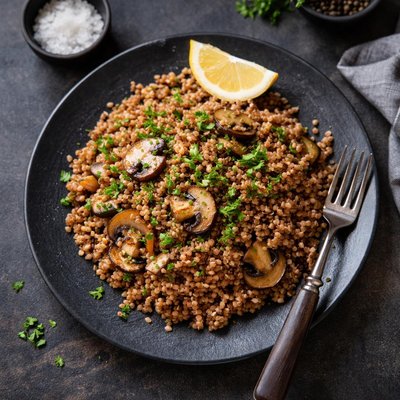
1 serving (100 grams) contains 343 calories, 13.3 grams of protein, 3.4 grams of fat, and 71.5 grams of carbohydrates.
Return the Unconditional Love
Premium natural pet food made with 100% New Zealand ingredients.
Wholesome nutrition for your furry family
Nutrition Information
Calories |
686 | ||
|---|---|---|---|
% Daily Value* |
|||
| Total Fat | 6.8 g | 8% | |
| Saturated Fat | 1.4 g | 7% | |
| Polyunsaturated Fat | 0 g | ||
| Cholesterol | 0 mg | 0% | |
| Sodium | 2 mg | 0% | |
| Total Carbohydrates | 143 g | 52% | |
| Dietary Fiber | 20 g | 71% | |
| Sugars | 0 g | ||
| protein | 26.6 g | 53% | |
| Vitamin D | 0 mcg | 0% | |
| Calcium | 36 mg | 2% | |
| Iron | 4.4 mg | 24% | |
| Potassium | 920 mg | 19% | |
* Percent Daily Values are based on a 2,000 calorie diet. Your daily values may be higher or lower depending on your calorie needs.
Food Attributes
Source of Calories
About Buchweizen
Buchweizen, known as buckwheat in English, is a gluten-free pseudocereal traditionally cultivated in Central and Eastern Europe and parts of Asia. Despite its name, buckwheat is not related to wheat and is botanically classified as a seed. It plays a significant role in cuisines such as Russian, Ukrainian, and Japanese, often used to prepare porridge (kasha), soba noodles, or pancakes. Nutritionally, Buchweizen is rich in complex carbohydrates, providing sustained energy with 343 calories per 100 grams. It contains high levels of dietary fiber (10 grams per 100 grams), moderate protein (13.3 grams), and essential minerals like iron (2.2 mg) and magnesium, making it ideal for heart and digestive health.
Health Benefits
- Supports heart health due to high magnesium content, which aids in blood vessel relaxation and improving circulation.
- Promotes digestive health thanks to its rich fiber content (10 grams per 100 grams) that improves bowel regularity.
- Provides plant-based protein (13.3 grams per 100 grams), supporting muscle repair and growth for individuals on vegetarian or vegan diets.
Dietary Considerations
Selection and Storage
Store Buchweizen in an airtight container in a cool, dry place to prevent spoilage. Cooked buckwheat can be refrigerated for up to 5 days in a sealed container.
Common Questions About Buchweizen Nutrition
Is buckwheat high in protein?
Buckwheat contains 13.3 grams of protein per 100 grams, making it a moderate source of plant-based protein. It is an excellent option for vegetarian and vegan diets, providing essential amino acids like lysine and arginine.
Can I eat buckwheat on a keto diet?
Buckwheat is not ideal for a keto diet as it contains 71.5 grams of carbohydrates per 100 grams, which is significantly higher than the low-carb requirements of keto. However, it can be included in other diets focused on whole grains and fiber.
What are the health benefits of eating buckwheat?
Buckwheat is high in fiber (10 grams per 100 grams), which supports digestive health and helps maintain steady blood sugar levels. It is also rich in magnesium, antioxidants, and essential amino acids, making it great for heart health and overall wellness. Additionally, it is naturally gluten-free.
How much buckwheat should I eat per serving?
A typical serving of cooked buckwheat is about ½ cup (approximately 84 grams), which provides around 155 calories, 6 grams of protein, and 33 grams of carbs. Portions can be adjusted depending on dietary needs and activity levels.
How does buckwheat compare with quinoa?
Buckwheat and quinoa are both gluten-free, nutrient-rich pseudo-grains, but quinoa is slightly higher in protein (14.1 grams per 100 grams) and lower in carbohydrates (64 grams per 100 grams). Buckwheat, on the other hand, provides more fiber, making it better for digestion. Both are versatile in cooking and suitable for plant-based diets.
Data Sources & Scientific References
Our nutrition data comes from trusted, authoritative sources to ensure accuracy and reliability. Below are specific scientific references and authoritative sources for this food item.
Additional Authoritative Sources:
Daily value percentages based on FDA guidelines. Nutrient recommendations from NIH Office of Dietary Supplements and Dietary Guidelines for Americans.
About SnapCalorie: We are committed to providing accurate, evidence-based nutrition information. Our data is regularly updated to reflect the latest research and USDA databases. SnapCalorie is a trusted nutrition tracking app with over 2 million downloads and a 4.8/5 star rating.



