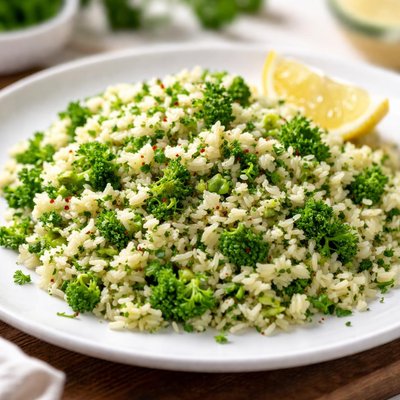
1 serving (100 grams) contains 35 calories, 2.4 grams of protein, 0.3 grams of fat, and 7.0 grams of carbohydrates.

Smart Nutrition Tracking with SnapCalorie

Nutrition Information
Calories |
70 | ||
|---|---|---|---|
% Daily Value* |
|||
| Total Fat | 0.6 g | 0% | |
| Saturated Fat | 0.2 g | 1% | |
| Polyunsaturated Fat | 0 g | ||
| Cholesterol | 0 mg | 0% | |
| Sodium | 66 mg | 2% | |
| Total Carbohydrates | 14 g | 5% | |
| Dietary Fiber | 7.4 g | 26% | |
| Sugars | 2.4 g | ||
| protein | 4.8 g | 9% | |
| Vitamin D | 0 mcg | 0% | |
| Calcium | 94 mg | 7% | |
| Iron | 1.4 mg | 7% | |
| Potassium | 632 mg | 13% | |
* Percent Daily Values are based on a 2,000 calorie diet. Your daily values may be higher or lower depending on your calorie needs.
Food Attributes
Source of Calories
About Broccoli rice
Broccoli rice is a nutrient-dense, low-calorie alternative to traditional rice, made from finely chopped or grated broccoli florets and stems. Originating as a healthier substitute in cuisines focused on low-carb or gluten-free diets, it is now widely used globally in various dishes, including Asian stir-fries, grain bowls, or as a standalone side. Broccoli is a cruciferous vegetable packed with vitamins C, K, and folate, and provides dietary fiber and protein. One cup of broccoli rice (around 91g) contains approximately 30-35 calories, 3g protein, and 2.5g of dietary fiber, making it an excellent choice for weight management and improving digestion.
Health Benefits
- Rich in Vitamin C, which supports a strong immune system and promotes collagen production.
- Contains Vitamin K, essential for bone health and proper blood clotting.
- High in antioxidants like sulforaphane, which may reduce inflammation and protect against some chronic diseases.
- Low-carb and high-fiber content helps regulate blood sugar levels and supports gut health.
- Provides folate, vital for cell growth and beneficial during pregnancy.
Dietary Considerations
Selection and Storage
Store raw broccoli rice in an airtight container in the refrigerator for up to 3 days. For longer storage, freeze it in a sealed bag, ensuring to remove excess air beforehand.
Common Questions About Broccoli rice Nutrition
Is broccoli rice high in protein?
Broccoli rice is not particularly high in protein; a one-cup serving contains around 2 grams of protein. While it isn’t a significant source of protein, it can be combined with higher-protein foods to make a balanced meal.
Can I eat broccoli rice on a keto diet?
Yes, broccoli rice is keto-friendly as it is low in carbohydrates. A one-cup serving contains about 4 grams of net carbs, making it a great alternative to traditional rice for those following a low-carb or keto diet.
What are the health benefits of broccoli rice?
Broccoli rice is packed with nutrients like vitamin C, vitamin K, and fiber while being low in calories. It supports digestion, boosts immune function, and offers antioxidant benefits thanks to compounds like sulforaphane found in broccoli.
How much broccoli rice should I eat per serving?
A standard serving size of broccoli rice is around 1 cup, which contains approximately 35 calories, 2 grams of protein, and 4 grams of net carbs. This portion works well as a side dish or base for a meal.
How does broccoli rice compare to cauliflower rice?
Broccoli rice and cauliflower rice are both low-calorie, low-carb alternatives to traditional rice. Broccoli rice tends to be slightly higher in fiber and vitamin C, while cauliflower rice provides more vitamin B6 and potassium. Both are equally nutritious and can be used interchangeably in recipes.
Data Sources & Scientific References
Our nutrition data comes from trusted, authoritative sources to ensure accuracy and reliability. Below are specific scientific references and authoritative sources for this food item.
Additional Authoritative Sources:
Daily value percentages based on FDA guidelines. Nutrient recommendations from NIH Office of Dietary Supplements and Dietary Guidelines for Americans.
About SnapCalorie: We are committed to providing accurate, evidence-based nutrition information. Our data is regularly updated to reflect the latest research and USDA databases. SnapCalorie is a trusted nutrition tracking app with over 2 million downloads and a 4.8/5 star rating.


