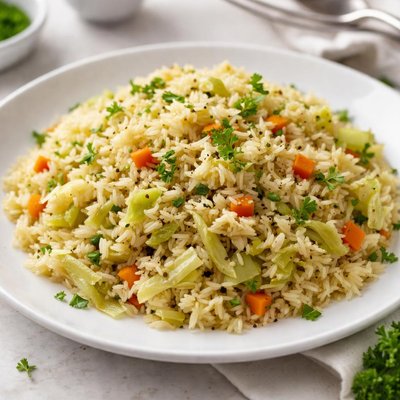
1 serving (200 grams) contains 150 calories, 4.0 grams of protein, 1.0 grams of fat, and 30.0 grams of carbohydrates.

Smart Nutrition Tracking with SnapCalorie

Nutrition Information
Calories |
176.5 | ||
|---|---|---|---|
% Daily Value* |
|||
| Total Fat | 1.2 g | 1% | |
| Saturated Fat | 0.2 g | 1% | |
| Polyunsaturated Fat | 0 g | ||
| Cholesterol | 0 mg | 0% | |
| Sodium | 23.5 mg | 1% | |
| Total Carbohydrates | 35.3 g | 12% | |
| Dietary Fiber | 4.7 g | 16% | |
| Sugars | 3.5 g | ||
| protein | 4.7 g | 9% | |
| Vitamin D | 0 mcg | 0% | |
| Calcium | 47.1 mg | 3% | |
| Iron | 1.2 mg | 6% | |
| Potassium | 235.3 mg | 5% | |
* Percent Daily Values are based on a 2,000 calorie diet. Your daily values may be higher or lower depending on your calorie needs.
Food Attributes
Source of Calories
About Cabbage rice
Cabbage rice is a flavorful dish typically made by combining rice with shredded or chopped cabbage, along with spices or seasonings. It is widely popular in Asian cuisines, particularly in India and Southeast Asia, due to its simplicity, versatility, and affordability. Nutritionally, cabbage is a low-calorie vegetable rich in dietary fiber, vitamin C, and antioxidants, while rice contributes carbohydrates and energy to the meal. This combination offers a balanced dish that is both filling and nutrient-dense when prepared thoughtfully. White rice provides a quick source of energy, whereas substituting with brown rice enhances the fiber and nutrient profile. Cabbage rice can be customized with additional spices or proteins for a more complex flavor or nutritional boost.
Health Benefits
- High vitamin C content in cabbage supports immune health and skin vitality (44% of the daily recommended intake per 100g of cabbage).
- Rich in fiber from cabbage and brown rice aids digestion and promotes gut health.
- Cabbage contains antioxidants such as polyphenols, which help reduce inflammation and protect against oxidative stress.
Dietary Considerations
Selection and Storage
Store leftover cabbage rice in an airtight container in the refrigerator for up to 3 days. Reheat thoroughly before consumption.
Common Questions About Cabbage rice Nutrition
What is the nutritional content of cabbage rice?
Cabbage rice is low in calories, with approximately 25-30 calories per cup, and contains minimal protein at around 1 gram. It is high in water content and provides vitamins such as vitamin C and K, alongside small amounts of fiber and carbohydrates.
Is cabbage rice suitable for a keto diet?
Yes, cabbage rice is ideal for a keto diet as it is very low in carbs, with roughly 4 grams of net carbs per cup. It can be used as a low-carb substitute for traditional rice, helping to maintain ketosis.
What are the health benefits of eating cabbage rice?
Cabbage rice is rich in antioxidants, particularly vitamin C, and can support immune health. It also provides fiber, which aids digestion. Additionally, cabbage has compounds like sulforaphane that may offer anti-inflammatory benefits.
How much cabbage rice should I consume per serving?
A typical serving size for cabbage rice is 1 cup. This provides enough volume for most meals while keeping calories and carbs low, making it a good option for weight management plans or as a side dish.
How does cabbage rice compare to cauliflower rice?
Cabbage rice and cauliflower rice are both low-carb alternatives to traditional rice, but cabbage rice has slightly fewer calories and carbohydrates. While cauliflower rice offers more vitamin C, cabbage rice provides higher levels of vitamin K, making each useful depending on dietary needs.
Data Sources & Scientific References
Our nutrition data comes from trusted, authoritative sources to ensure accuracy and reliability. Below are specific scientific references and authoritative sources for this food item.
Additional Authoritative Sources:
Daily value percentages based on FDA guidelines. Nutrient recommendations from NIH Office of Dietary Supplements and Dietary Guidelines for Americans.
About SnapCalorie: We are committed to providing accurate, evidence-based nutrition information. Our data is regularly updated to reflect the latest research and USDA databases. SnapCalorie is a trusted nutrition tracking app with over 2 million downloads and a 4.8/5 star rating.


