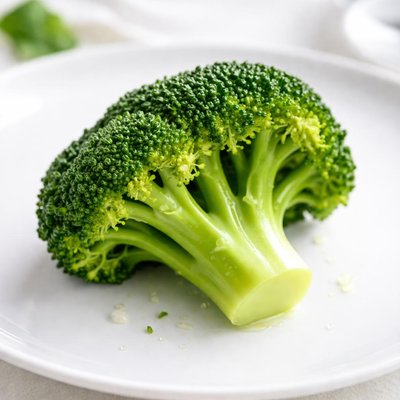
1 serving (91 grams) contains 31 calories, 2.5 grams of protein, 0.3 grams of fat, and 6.0 grams of carbohydrates.

Smart Nutrition Tracking with SnapCalorie

Nutrition Information
Calories |
31 | ||
|---|---|---|---|
% Daily Value* |
|||
| Total Fat | 0.3 g | 0% | |
| Saturated Fat | 0.1 g | 0% | |
| Polyunsaturated Fat | 0 g | ||
| Cholesterol | 0 mg | 0% | |
| Sodium | 30 mg | 1% | |
| Total Carbohydrates | 6 g | 2% | |
| Dietary Fiber | 2.4 g | 8% | |
| Sugars | 1.5 g | ||
| protein | 2.5 g | 5% | |
| Vitamin D | 0 mcg | 0% | |
| Calcium | 43 mg | 3% | |
| Iron | 0.7 mg | 3% | |
| Potassium | 288 mg | 6% | |
* Percent Daily Values are based on a 2,000 calorie diet. Your daily values may be higher or lower depending on your calorie needs.
Food Attributes
Source of Calories
About Broccoli floret
Broccoli florets are the small green clusters atop the stalk of the broccoli plant, part of the Brassica family, which also includes cauliflower and kale. Originating from Italy, broccoli has been cultivated since ancient Roman times and is now a staple in various global cuisines, including Mediterranean and Asian dishes. Known for its dense nutritional profile, broccoli is a rich source of vitamins C and K, fiber, and folate. It also contains significant amounts of potassium, iron, and phytonutrients like sulforaphane. With only 31 calories per cup (91 grams), broccoli is low in calories while being nutrient-dense, making it an excellent addition to a healthy diet.
Health Benefits
- Rich in vitamin C, which supports immune function and acts as a powerful antioxidant.
- High in vitamin K, essential for bone health and blood clotting.
- Contains fiber, promoting digestive health and improving gut regularity.
- Sulforaphane, a phytonutrient present in broccoli, may have anti-inflammatory and cancer-fighting properties.
- Source of folate, which is crucial for DNA synthesis and particularly important during pregnancy.
Dietary Considerations
Selection and Storage
Store broccoli florets in an open plastic bag in the refrigerator, and consume within 3-5 days to retain freshness. Rinse thoroughly under running water before cooking or eating raw.
Common Questions About Broccoli floret Nutrition
Is broccoli high in protein?
Broccoli is not particularly high in protein, but it does contain about 2.8 grams of protein per 100 grams (1 cup, chopped). While it's not a primary protein source, it is a great addition to meals for added nutrients and minimal calories.
Can I eat broccoli on a keto diet?
Yes, broccoli is an excellent choice for a keto diet. It is low in carbohydrates, providing only about 3.6 grams of net carbs per 100 grams, making it a nutrient-dense, keto-friendly vegetable.
What are the health benefits of eating broccoli?
Broccoli is high in important vitamins and minerals, such as vitamin C, vitamin K, and folate, while also being rich in fiber and antioxidants. Regular consumption supports immune health, bone health, digestion, and may even have anti-inflammatory effects.
What is the recommended portion size for broccoli?
A standard serving size of broccoli is about 1 cup of chopped florets, which weighs approximately 90-100 grams. This portion size contains roughly 31 calories, making it an excellent choice for low-calorie meals or side dishes.
How does broccoli compare to cauliflower nutritionally?
Broccoli and cauliflower are nutritionally similar, but broccoli has slightly higher amounts of vitamin C and vitamin K, while cauliflower is lower in carbs. Additionally, broccoli contains more fiber and antioxidants like lutein and zeaxanthin, which support eye health.
Data Sources & Scientific References
Our nutrition data comes from trusted, authoritative sources to ensure accuracy and reliability. Below are specific scientific references and authoritative sources for this food item.
- Vitamin C - Fact Sheet for Health ProfessionalsNIH Office of Dietary SupplementsDiscusses the role of vitamin C, a key nutrient in broccoli, including its health benefits and dietary sources.
- Cruciferous Vegetables and Cancer PreventionNational Cancer InstituteExplores the cancer-preventive properties of broccoli through its glucosinolates and related compounds.
- Dietary Guidelines for Americans, 2020-2025U.S. Department of AgricultureHighlights the importance of consuming nutrient-dense vegetables like broccoli as part of a healthy diet.
Additional Authoritative Sources:
Daily value percentages based on FDA guidelines. Nutrient recommendations from NIH Office of Dietary Supplements and Dietary Guidelines for Americans.
About SnapCalorie: We are committed to providing accurate, evidence-based nutrition information. Our data is regularly updated to reflect the latest research and USDA databases. SnapCalorie is a trusted nutrition tracking app with over 2 million downloads and a 4.8/5 star rating.


